
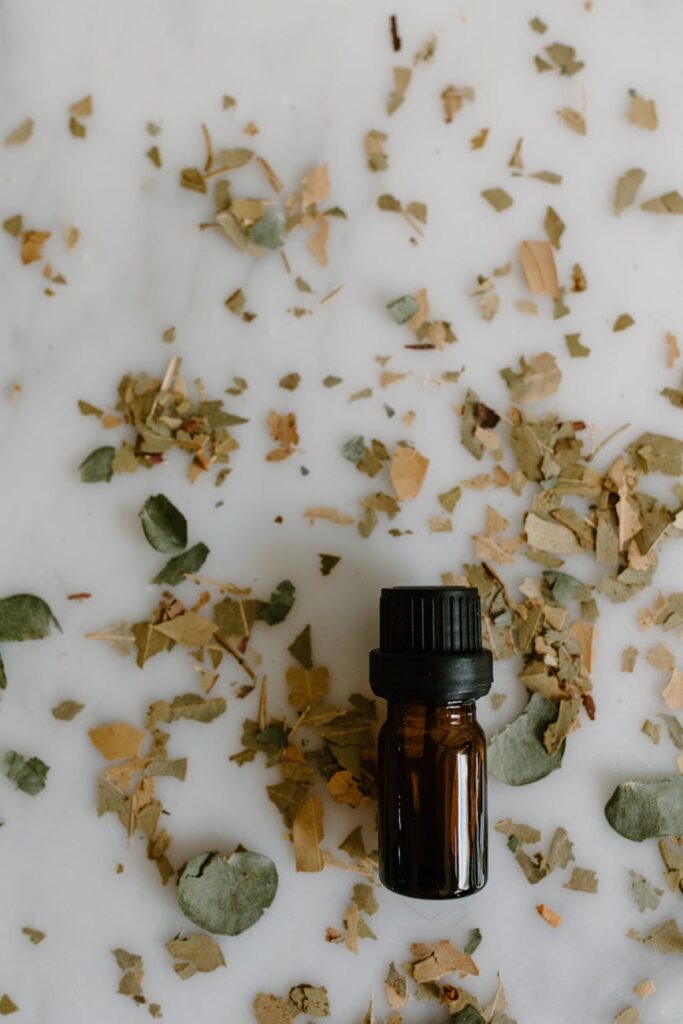
Benefits of DIY Aromatherapy Recipes for Sleep Support with Vetiver Oil
Introduction
In recent years, the quest for natural remedies to enhance sleep quality has gained significant attention. Among the many essential oils available, vetiver oil stands out for its grounding and calming properties. This article explores the benefits of DIY aromatherapy recipes utilizing vetiver oil specifically for sleep support. By understanding the various aspects of vetiver oil and how to incorporate it into your nightly routine, you can create a serene environment conducive to restful sleep.
What Is DIY Aromatherapy Recipes for Sleep Support with Vetiver Oil?
DIY aromatherapy involves creating your own blends of essential oils to enhance well-being, mood, and overall quality of life. Vetiver oil, derived from the roots of the Vetiveria zizanoides plant, is renowned for its rich, earthy aroma and therapeutic properties. When incorporated into sleep support recipes, vetiver oil can help calm the mind, reduce anxiety, and promote relaxation.
Creating your own aromatherapy recipes allows for customization, ensuring that you can tailor the scent and efficacy to your personal preferences. This hands-on approach not only fosters a deeper understanding of the oils but also enhances the overall experience of using aromatherapy.
Key Benefits and Properties
Vetiver oil is celebrated for its multitude of benefits, particularly in promoting restful sleep. Here are some key properties:
1. Calming Effect
Vetiver oil has a soothing effect on the nervous system, making it an excellent choice for those struggling with anxiety or restlessness at bedtime. Its grounding aroma helps to anchor the mind, facilitating a peaceful transition into sleep.
2. Stress Reduction
The oil’s earthy scent can help lower cortisol levels, the stress hormone, fostering a sense of calm. This can be particularly beneficial for individuals experiencing stress that interferes with their ability to fall asleep.
3. Improved Sleep Quality
Incorporating vetiver oil into your bedtime routine can enhance overall sleep quality. Users often report deeper, more restorative sleep, which can lead to improved daytime energy and focus.
4. Mental Clarity
While vetiver oil helps quiet the mind, it also promotes mental clarity and focus. This duality can be helpful in preparing for sleep by clearing away racing thoughts and distractions.
Common Uses
Vetiver oil can be utilized in various ways to support sleep. Here are some common applications:
1. Diffusion
Using a diffuser is one of the simplest methods to disperse the calming aroma of vetiver oil throughout your space. This method allows for even distribution of the scent, creating a tranquil atmosphere conducive to sleep.
2. Bath Soaks
Adding vetiver oil to a warm bath can provide both relaxation and physical benefits. The warm water helps to open the pores, allowing the oil to penetrate the skin and enhance its calming effects.
3. Pillow Sprays
Creating a pillow spray with vetiver oil can provide a direct and comforting scent as you drift off to sleep. This method can also be easily customized with other complementary essential oils.
4. Massage Oils
Blending vetiver oil with a carrier oil for a bedtime massage can further relax tense muscles and promote a sense of well-being.
Aromatherapy Applications
Creating your own aromatherapy recipes can be an enriching experience. Here are some DIY recipes that incorporate vetiver oil for sleep support:
1. Calming Sleep Blend
Ingredients:
- 4 drops of vetiver oil
- 3 drops of lavender oil
- 2 drops of chamomile oil
- 1 tablespoon of carrier oil (e.g., sweet almond or jojoba oil)
- 10 drops of vetiver oil
- 10 drops of lavender oil
- 1 cup of distilled water
- 1 tablespoon of witch hazel (optional, as an emulsifier)
- 6 drops of vetiver oil
- 6 drops of lavender oil
- 1 cup of Epsom salt
Instructions:
1. In a small glass bottle, combine the essential oils with the carrier oil.
2. Shake gently to mix.
3. Apply to pulse points (wrists, neck, behind the ears) before bedtime.
2. Vetiver Pillow Spray
Ingredients:
Instructions:
1. Combine the essential oils and witch hazel in a spray bottle.
2. Add distilled water and shake well before each use.
3. Lightly mist your pillow and bedding before bedtime.
3. Relaxing Bath Soak
Ingredients:
Instructions:
1. Mix the essential oils with Epsom salt in a bowl.
2. Add to a warm bath and soak for at least 20 minutes before bed.
Safety Considerations
While vetiver oil is generally safe for most individuals, it is important to consider the following safety guidelines:
1. Dilution
Always dilute essential oils with a carrier oil before applying to the skin to avoid irritation. A common ratio is 2-3 drops of essential oil per teaspoon of carrier oil.
2. Patch Testing
Before using a new essential oil, perform a patch test on a small area of skin to check for any allergic reactions.
3. Pregnancy and Nursing
If you are pregnant or nursing, consult with a healthcare professional before using essential oils.
4. Children
Essential oils should be used with caution around children. Always consult a pediatrician for guidance.
Storage and Shelf Life
To maintain the efficacy of vetiver oil and other essential oils, proper storage is essential:
1. Storage
Store vetiver oil in a cool, dark place, away from direct sunlight and heat. Use dark glass bottles to protect the oil from light exposure.
2. Shelf Life
When stored correctly, vetiver oil can last for several years. However, it is advisable to check for any changes in scent, color, or consistency before use.
Frequently Asked Questions
1. Can I use vetiver oil alone for sleep support?
Yes, vetiver oil can be effective on its own. However, blending it with other calming oils like lavender or chamomile can enhance its effects.
2. How often can I use vetiver oil for sleep?
You can use vetiver oil daily as part of your bedtime routine. Ensure to follow safety guidelines and listen to your body’s responses.
3. Is vetiver oil safe for everyone?
While vetiver oil is safe for most, it is advisable for pregnant women, nursing mothers, and young children to consult a healthcare professional before use.
4. Will vetiver oil interact with medications?
If you are on medication, it is best to consult with a healthcare provider to ensure there are no potential interactions.
5. Can I apply vetiver oil directly to my skin?
Vetiver oil should always be diluted with a carrier oil before applying it directly to the skin to prevent irritation.
Conclusion
Incorporating DIY aromatherapy recipes with vetiver oil into your bedtime routine can create a serene environment that promotes restful sleep. By harnessing the calming properties of vetiver oil, you can enhance your overall well-being and improve sleep quality. As you explore the various ways to use this essential oil, remember to prioritize safety and enjoy the process of crafting personalized aromatherapy experiences.