
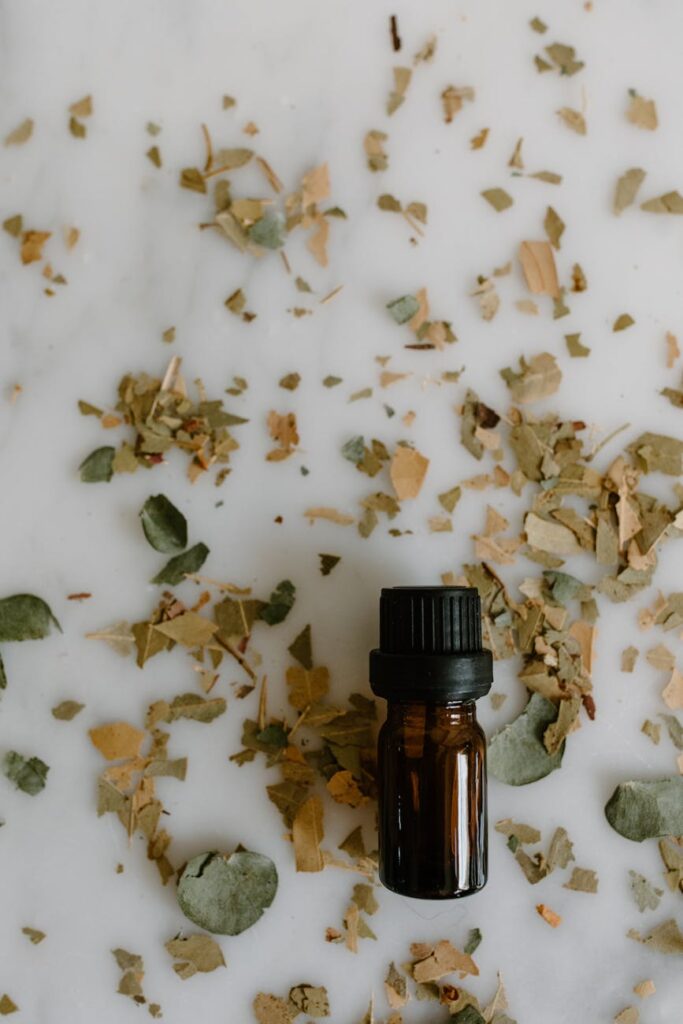
Benefits of DIY Aromatherapy Recipes for Sleep Support with Ylang Ylang Oil
Introduction
In today’s fast-paced world, many individuals struggle with sleep-related issues, leading to a growing interest in natural remedies. Among these, essential oils have gained popularity for their potential benefits in promoting relaxation and supporting healthy sleep patterns. Ylang ylang oil, derived from the flowers of the Cananga odorata tree, is particularly noteworthy for its calming properties. This article explores the benefits of DIY aromatherapy recipes using ylang ylang oil specifically for sleep support, along with practical applications and safety considerations.
What Is DIY Aromatherapy Recipes for Sleep Support with Ylang Ylang Oil?
DIY aromatherapy involves creating personalized blends of essential oils tailored to specific needs or preferences. Ylang ylang oil is renowned for its sweet, floral scent and is often used to promote relaxation and emotional balance. By incorporating ylang ylang into various DIY recipes, individuals can create aromatic experiences that may aid in achieving restful sleep.
DIY recipes can include anything from simple oil blends to more complex formulations involving carrier oils, other essential oils, and various application methods. The appeal of DIY aromatherapy lies in its adaptability and the ability to customize blends according to individual preferences.
Key Benefits and Properties
Ylang ylang oil is celebrated for its array of beneficial properties, particularly in the realm of relaxation and emotional well-being. Below are some of its key attributes:
1. Calming Effects
Ylang ylang oil is known for its potential to reduce feelings of anxiety and stress. Its soothing aroma may help to create a tranquil atmosphere conducive to sleep.
2. Mood Enhancement
The uplifting scent of ylang ylang can promote feelings of happiness and reduce emotional tension. This mood-enhancing quality can be beneficial in preparing the mind for restful sleep.
3. Sleep Induction
Many users report that ylang ylang oil helps to ease the transition into sleep by calming the mind and body. This can be particularly useful for those who find it challenging to unwind after a busy day.
4. Balancing Properties
Ylang ylang is often regarded as an oil that balances emotions. It can help to harmonize feelings of joy and sadness, creating a more stable emotional environment for sleep.
Common Uses
Ylang ylang oil can be incorporated into various DIY recipes tailored to sleep support. Some common applications include:
1. Diffuser Blends
Using a diffuser to disperse ylang ylang oil into the air can create a calming atmosphere. It can be blended with other oils known for their relaxing properties, such as lavender or chamomile.
2. Bath Soaks
Adding ylang ylang oil to a warm bath can provide a soothing experience. When combined with Epsom salts or carrier oils, it enhances relaxation and promotes a peaceful mind.
3. Pillow Sprays
Creating a pillow spray with ylang ylang oil can help to infuse sleep spaces with its calming aroma. This can be particularly effective when sprayed lightly on bedding before sleeping.
4. Massage Oils
Diluting ylang ylang oil with a carrier oil can create a relaxing massage oil. This application not only benefits the skin but can also aid in relaxation and tension relief.
Aromatherapy Applications
Ylang ylang oil can be applied in several ways to maximize its sleep-supporting effects:
1. Inhalation
Simply inhaling the scent of ylang ylang oil from the bottle or a cotton ball can be an effective way to enjoy its calming benefits.
2. Topical Application
When diluted with a carrier oil, ylang ylang can be applied to pulse points, such as wrists or behind the ears. This can provide a continuous release of its aroma throughout the night.
3. Bathing Rituals
Incorporating ylang ylang into a nighttime bathing ritual can create a sensory experience that prepares the body for sleep.
4. Meditation and Relaxation Practices
Combining ylang ylang oil with meditation or gentle yoga may enhance relaxation and promote a deeper state of calm, making it easier to transition into sleep.
Safety Considerations
While ylang ylang oil is generally considered safe for most people when used appropriately, there are several safety considerations to keep in mind:
1. Dilution
Essential oils should always be diluted before topical application. A common recommendation is to use a carrier oil at a ratio of 1-2 drops of essential oil per teaspoon of carrier oil.
2. Allergies and Sensitivities
Conducting a patch test before widespread use is advisable to check for any allergic reactions. If irritation occurs, discontinue use immediately.
3. Pregnancy and Nursing
Pregnant or nursing individuals should consult with a healthcare professional before using ylang ylang oil or other essential oils.
4. Children
Caution is advised when using essential oils around children. It is essential to consult guidelines or seek professional advice regarding appropriate usage.
Storage and Shelf Life
Proper storage of ylang ylang oil is crucial to maintaining its potency and effectiveness. Here are some guidelines:
1. Container
Store ylang ylang oil in a dark glass container to protect it from light, which can degrade its quality.
2. Temperature
Keep the oil in a cool, dry place away from direct sunlight and heat sources.
3. Shelf Life
When stored correctly, ylang ylang oil can last for approximately 3-5 years. However, always check for any changes in aroma or consistency, which may indicate that the oil has gone rancid.
Frequently Asked Questions
1. Can ylang ylang oil be used with other essential oils?
Yes, ylang ylang oil blends well with several other essential oils, including lavender, bergamot, and cedarwood, enhancing the overall aroma and benefits.
2. How much ylang ylang oil should I use in my DIY recipes?
A general guideline is to use 2-3 drops of ylang ylang oil per 1 teaspoon of carrier oil for topical applications. For diffuser blends, start with 3-5 drops, adjusting according to personal preference.
3. Is ylang ylang oil safe for daily use?
Many individuals use ylang ylang oil daily without issues. However, it’s important to monitor your body’s response and adjust usage as needed.
4. Can I use ylang ylang oil if I have sensitive skin?
If you have sensitive skin, it’s advisable to dilute ylang ylang oil significantly and perform a patch test before applying it to larger areas.
5. How can I enhance the effectiveness of ylang ylang oil for sleep?
Incorporating ylang ylang oil into a calming nighttime routine, such as dimming lights, reducing screen time, and practicing relaxation techniques, can enhance its effectiveness.
Conclusion
Incorporating ylang ylang oil into DIY aromatherapy recipes for sleep support offers an accessible and customizable approach to enhancing relaxation and improving sleep quality. With its calming and mood-enhancing properties, ylang ylang can play a vital role in creating a serene environment conducive to rest. By understanding its benefits, applications, and safety considerations, individuals can harness the power of this exquisite oil to promote better sleep and overall well-being.