
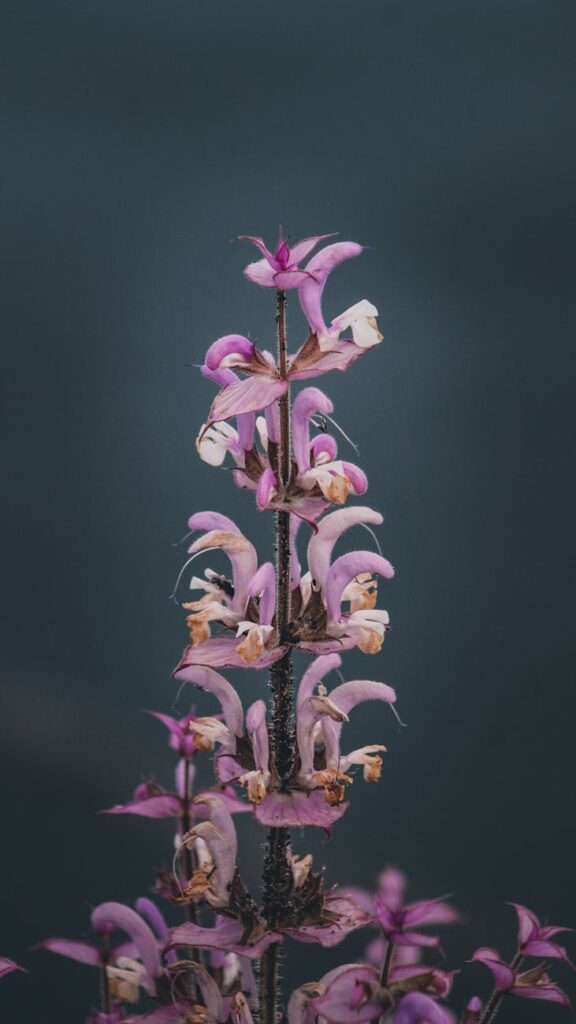
Benefits of DIY Aromatherapy Recipes for Stress Relief with Clary Sage Oil
Introduction
In our fast-paced world, stress has become an almost ubiquitous part of daily life. The quest for effective stress relief has led many individuals to explore the benefits of essential oils and aromatherapy. One such oil that has garnered attention for its calming properties is clary sage oil. This article will delve into DIY aromatherapy recipes for stress relief using clary sage oil, exploring its benefits, properties, common uses, and safety considerations.
What Is DIY Aromatherapy Recipes for Stress Relief with Clary Sage Oil?
DIY aromatherapy refers to creating personalized blends of essential oils to enhance emotional and physical well-being. Clary sage (Salvia sclarea) is an aromatic herb known for its soothing fragrance and therapeutic properties. When combined with other essential oils or carrier oils, clary sage can be used in various recipes tailored to alleviate stress. The versatility of DIY recipes allows individuals to customize their aromatherapy experience, making it a popular choice for those seeking to promote relaxation and tranquility in their lives.
Key Benefits and Properties
Clary sage oil is praised for its numerous benefits, particularly in promoting stress relief. Some key properties include:
1. Calming Effects: Clary sage is known to induce a sense of calm and relaxation. Its soothing aroma can help reduce feelings of anxiety and tension.
2. Hormonal Balance: Clary sage has been traditionally used to support hormonal balance, which may be beneficial for individuals experiencing stress related to hormonal fluctuations.
3. Mood Enhancement: The uplifting nature of clary sage oil may improve mood and promote feelings of emotional stability, making it a valuable tool for coping with stress.
4. Antioxidant Properties: Clary sage oil contains antioxidants that may help protect the body from oxidative stress and contribute to overall well-being.
5. Anti-inflammatory Effects: Some studies suggest that clary sage oil may have anti-inflammatory properties, which can contribute to physical relaxation.
These properties make clary sage oil an excellent choice for crafting DIY aromatherapy recipes aimed at stress relief.
Common Uses
Clary sage oil can be utilized in various forms and applications, each offering unique benefits for stress management:
1. Diffusion: Adding clary sage oil to a diffuser can disperse its calming aroma throughout a room, creating a serene atmosphere.
2. Topical Application: When diluted with a carrier oil, clary sage can be applied to pulse points or areas of tension, providing localized relief.
3. Bath Blends: Incorporating clary sage oil into bath products can transform a regular soak into a rejuvenating and relaxing experience.
4. Inhalation: Directly inhaling the scent of clary sage oil from the bottle or a cotton ball can provide immediate stress relief.
5. Massage Oil: Blending clary sage oil with a carrier oil makes an excellent massage oil, promoting relaxation and tension relief during a massage.
Aromatherapy Applications
Creating DIY aromatherapy recipes with clary sage oil can be both enjoyable and beneficial. Here are some simple recipes to consider:
1. Calming Diffuser Blend
Ingredients:
- 5 drops clary sage oil
- 3 drops lavender oil
- 2 drops bergamot oil
- 2 tablespoons sweet almond oil (carrier oil)
- 5 drops clary sage oil
- 3 drops chamomile oil
- 1 cup Epsom salt
- 5 drops clary sage oil
- 5 drops lavender oil
- 10 drops clary sage oil
- 5 drops peppermint oil
Instructions:
1. Add the essential oils to your diffuser.
2. Fill the diffuser with water according to the manufacturer’s instructions.
3. Turn on the diffuser and enjoy the calming aroma.
2. Stress Relief Massage Oil
Ingredients:
Instructions:
1. In a small glass bottle, combine the carrier oil with the essential oils.
2. Shake well to blend.
3. Use as a massage oil on tense areas or for a full-body massage.
3. Relaxing Bath Soak
Ingredients:
Instructions:
1. In a bowl, mix Epsom salt with essential oils until well combined.
2. Add the mixture to a warm bath and soak for at least 20 minutes.
4. Stress-Relief Inhaler
Ingredients:
Instructions:
1. Add the essential oils to a personal inhaler or cotton ball.
2. Inhale deeply whenever you need a moment of calm.
These recipes can be tailored to individual preferences, allowing users to explore various essential oils and combinations that resonate with them.
Safety Considerations
While clary sage oil is generally safe for most individuals, it is important to adhere to certain safety guidelines:
1. Dilution: Always dilute essential oils with a carrier oil before applying to the skin to minimize the risk of irritation.
2. Patch Test: Conduct a patch test on a small area of skin to check for any allergic reactions before using a new oil.
3. Pregnancy and Nursing: Pregnant and nursing individuals should consult a healthcare professional before using clary sage oil, as it may have hormonal effects.
4. Avoiding Photosensitivity: While clary sage is not known to cause photosensitivity, it’s advisable to avoid direct sunlight after topical application of any essential oil.
5. Storage: Store essential oils in a cool, dark place to maintain their potency and prevent degradation.
Storage and Shelf Life
Proper storage of clary sage oil and other essential oils is crucial for maintaining their efficacy. Here are some key points to consider:
1. Container: Store clary sage oil in dark glass bottles to protect it from light, which can degrade its quality over time.
2. Temperature: Keep essential oils in a cool environment, avoiding exposure to heat sources that could alter their properties.
3. Shelf Life: Clary sage oil has a shelf life of approximately 3-5 years when stored properly, but it’s advisable to check for any changes in aroma or consistency before use.
Frequently Asked Questions
What is the best way to use clary sage oil for stress relief?
The best way to use clary sage oil for stress relief varies by personal preference. Diffusing the oil, using it in a bath, or applying it topically are effective methods. Experimenting with different applications can help determine what works best for you.
Can clary sage oil be used for anxiety?
While clary sage oil is often used for its calming properties, it is important to remember that individual responses may vary. Many users report feeling calmer and more centered when using clary sage, but it should not be considered a substitute for professional treatment.
Is clary sage oil safe for children?
Clary sage oil is generally not recommended for use on children under 2 years old. For older children, always dilute the oil properly and conduct a patch test before use. Consult a healthcare professional for specific guidance.
How often can I use clary sage oil?
The frequency of use depends on personal preference and individual sensitivity. For topical applications, using diluted oil once or twice a day is common. When diffusing, you can use it as often as desired, ensuring to take breaks to avoid olfactory fatigue.
Can I combine clary sage oil with other essential oils?
Yes, clary sage oil blends well with various essential oils, including lavender, bergamot, chamomile, and frankincense. Experimenting with different combinations can enhance the aromatic experience and therapeutic benefits.
Conclusion
DIY aromatherapy recipes using clary sage oil can be a rewarding and effective way to alleviate stress in today’s hectic world. By understanding the properties and benefits of clary sage, individuals can create personalized blends that cater to their specific needs. Whether diffusing, applying topically, or enjoying a relaxing bath, clary sage oil offers a natural avenue for promoting calm and tranquility. As with any essential oil, proper usage, safety considerations, and individual preferences should guide your exploration into the world of aromatherapy.