
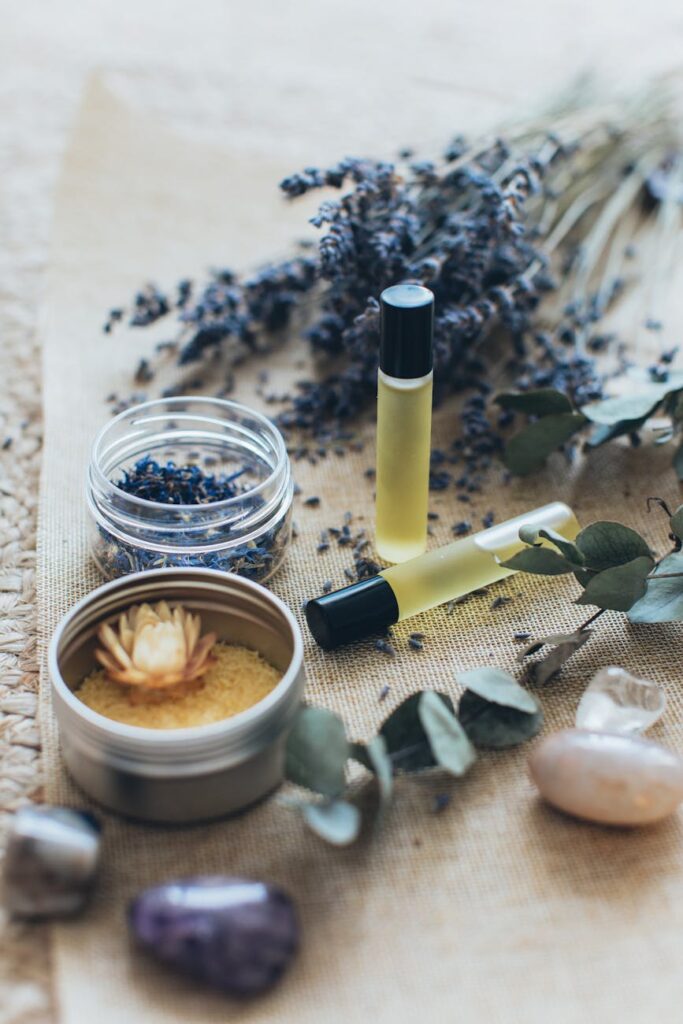
Benefits of DIY Aromatherapy Recipes for Stress Relief with Lavender and Ylang Ylang Oils
Introduction
Aromatherapy has gained popularity as a holistic approach to well-being, harnessing the power of essential oils to promote relaxation and alleviate stress. Among the myriad of essential oils available, lavender and ylang ylang stand out for their soothing properties. This article explores the benefits of creating DIY aromatherapy recipes using these two oils, guiding you through their unique qualities, applications, and safety considerations.
What Is DIY Aromatherapy Recipes for Stress Relief with Lavender and Ylang Ylang Oils?
DIY aromatherapy involves the creation of personalized blends using essential oils, which can be diffused, inhaled, or applied topically. Lavender (Lavandula angustifolia) and ylang ylang (Cananga odorata) are two essential oils frequently used in stress-relief recipes due to their calming and mood-enhancing properties. This section will delve into the characteristics of these oils and how they can be effectively combined in various formulations.
Key Benefits and Properties
Lavender Essential Oil
Lavender essential oil is renowned for its calming and relaxing effects. It possesses several beneficial properties:
- Calming: Lavender is often used to reduce anxiety and promote relaxation, making it a common choice for stress relief.
- Sleep Aid: The scent of lavender is believed to enhance sleep quality, making it beneficial for those experiencing insomnia or restless nights.
- Antimicrobial: Lavender also has antimicrobial properties, which can support skin health when diluted properly.
- Mood Enhancer: This oil is known for its uplifting qualities, which can help alleviate feelings of sadness or stress.
- Relaxation: Ylang ylang promotes relaxation and reduces tension, making it an ideal partner for lavender in stress relief recipes.
- Hormonal Balance: It is sometimes associated with helping to balance hormones, which can be beneficial during times of emotional upheaval.
- 10 drops lavender essential oil
- 10 drops ylang ylang essential oil
- 2 tablespoons carrier oil (such as jojoba or fractionated coconut oil)
- Rollerball bottle
- 1 cup Epsom salts
- 10 drops lavender essential oil
- 10 drops ylang ylang essential oil
- 1 tablespoon carrier oil
- 1 cup distilled water
- 10 drops lavender essential oil
- 10 drops ylang ylang essential oil
- Spray bottle
- Dilution: Always dilute essential oils in a carrier oil before applying them to the skin to avoid irritation.
- Patch Test: Conduct a patch test on a small area of skin before using any new oil blend to check for allergic reactions.
- Pregnancy and Nursing: Pregnant or nursing individuals should consult with a healthcare professional before using essential oils.
- Children and Pets: Some essential oils can be harmful to children and pets. Ensure that any blends are stored out of reach and consult with a veterinarian if using oils around animals.
- Containers: Store essential oils in dark glass bottles to protect them from light, which can degrade their quality.
- Temperature: Keep oils in a cool, dry place away from direct sunlight and heat sources.
- Shelf Life: While essential oils can last for a long time if stored properly, they generally have a shelf life of 1-3 years. Check for any changes in scent or consistency before use.
Ylang Ylang Essential Oil
Ylang ylang, derived from the flowers of the ylang ylang tree, brings its own unique benefits:
Combining these two oils creates a powerful synergy that promotes emotional balance and relaxation.
Common Uses
DIY aromatherapy recipes using lavender and ylang ylang can be adapted to various lifestyles and preferences. Here are some common applications:
1. Diffusion
Using a diffuser is one of the easiest ways to enjoy the benefits of essential oils. Simply add a few drops of lavender and ylang ylang to a water-filled diffuser, allowing the soothing aromas to fill your space.
2. Topical Applications
When diluted in a carrier oil, these essential oils can be applied to pulse points or areas of tension, such as the neck or wrists. A typical dilution ratio is 2-3 drops of essential oil per tablespoon of carrier oil (such as sweet almond or coconut oil).
3. Bath Soaks
Adding essential oils to a warm bath can create a relaxing spa-like experience. Combine lavender and ylang ylang with Epsom salts and a carrier oil for a luxurious soak.
4. Pillow Spray
Creating a pillow spray with lavender and ylang ylang can enhance sleep quality. Mix the oils with distilled water in a spray bottle, shake well, and lightly mist your pillow before bedtime.
Aromatherapy Applications
The versatility of lavender and ylang ylang oils allows for various creative applications in DIY aromatherapy. Here are a few popular recipes:
1. Stress-Relief Roller Blend
Ingredients:
Instructions:
1. Add the essential oils to the rollerball bottle.
2. Fill the rest of the bottle with the carrier oil.
3. Replace the cap and shake gently to blend.
4. Apply to pulse points as needed.
2. Calming Bath Salts
Ingredients:
Instructions:
1. In a bowl, combine Epsom salts and carrier oil.
2. Add essential oils and mix thoroughly.
3. Store in an airtight container.
4. Use ½ cup in a warm bath for relaxation.
3. Sleep Spray
Ingredients:
Instructions:
1. Combine all ingredients in the spray bottle.
2. Shake well before each use.
3. Lightly mist your pillow and room before sleep.
Safety Considerations
While lavender and ylang ylang are generally considered safe, there are important precautions to keep in mind:
Storage and Shelf Life
Proper storage is crucial for maintaining the integrity and effectiveness of essential oils. Here are some guidelines:
Frequently Asked Questions
1. Can I use lavender and ylang ylang oils together in any recipe?
Yes, combining lavender and ylang ylang is safe and effective for stress relief. Their complementary properties enhance the overall calming effect.
2. Are there any contraindications for using lavender or ylang ylang?
While both oils are generally safe, individuals with allergies to plants in the Lamiaceae family (like lavender) or those with sensitivities to ylang ylang should exercise caution.
3. Can I use these oils in a diffuser with other essential oils?
Yes, lavender and ylang ylang can be blended with other essential oils, such as bergamot or chamomile, to create a customized aroma for relaxation.
4. How long does the aroma last when diffusing essential oils?
The duration of the aroma will depend on the size of the diffuser, the amount of water, and the number of drops of essential oil used. Typically, a diffuser will run for several hours before needing a refill.
5. What should I do if I experience an allergic reaction?
If you experience any irritation or allergic reaction, discontinue use immediately and wash the affected area with soap and water. If symptoms persist, consult a healthcare professional.
Conclusion
DIY aromatherapy recipes featuring lavender and ylang ylang oils provide a holistic approach to stress relief. By understanding the properties of these oils and how to use them effectively, individuals can create personalized blends that enhance relaxation, improve mood, and promote overall well-being. As you explore the world of aromatherapy, remember to prioritize safety and enjoy the calming journey these oils offer.