
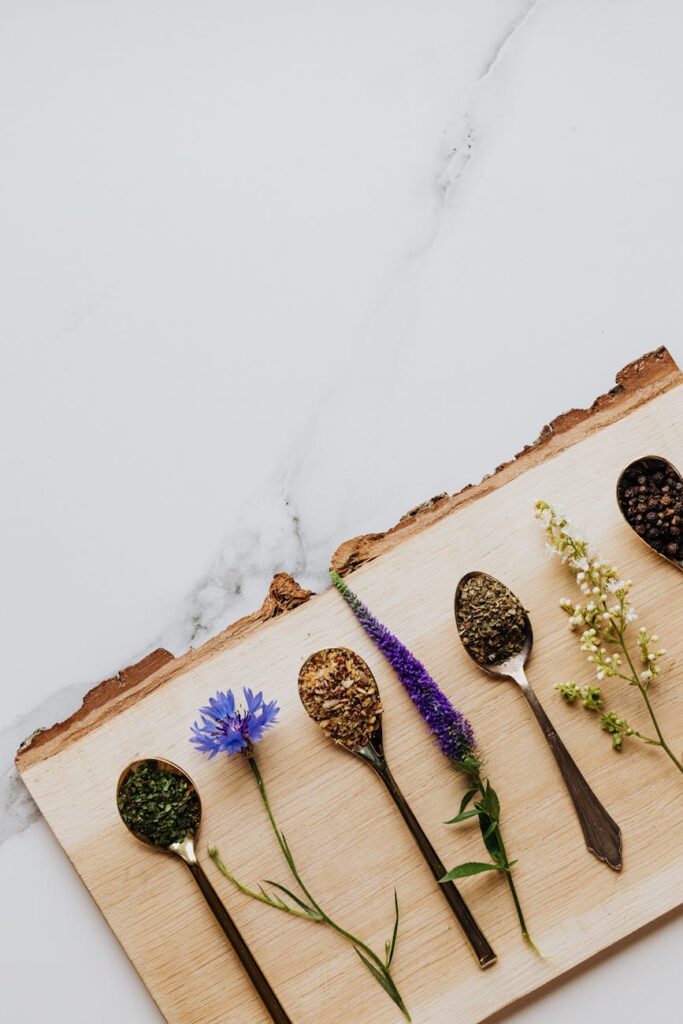
Benefits of Edible Flowers
Introduction
Edible flowers have become increasingly popular in culinary arts, herbalism, and wellness practices. These vibrant blooms not only enhance the aesthetic quality of dishes but also offer a range of benefits and flavor profiles that elevate food and drink experiences. This article explores the various aspects of edible flowers, including their properties, common uses, and applications in aromatherapy, while also addressing safety considerations and storage tips.
What Are Edible Flowers?
Edible flowers are blossoms that are safe for human consumption. They can be used in various culinary applications, including salads, desserts, beverages, and as garnishes. While many flowers are edible, not all are safe to consume, so it is crucial to identify the specific varieties. Common edible flowers include nasturtiums, pansies, violets, marigolds, and calendulas, each offering unique tastes, colors, and nutritional profiles.
Characteristics of Edible Flowers
Edible flowers can vary significantly in flavor, texture, and aroma. Some may have a sweet or fruity note, while others can be spicy or herbaceous. The colors range from vibrant yellows and reds to soft pastels, making them visually appealing in dishes. Their nutritional content often includes vitamins, minerals, and antioxidants, contributing to their overall value.
Key Benefits and Properties
Nutritional Value
Edible flowers are not just visually appealing; they also possess nutritional benefits. Many are rich in vitamins A and C, antioxidants, and other phytochemicals that support overall health. For example, nasturtiums are known for their high vitamin C content, while calendula flowers boast anti-inflammatory properties.
Flavor Enhancement
Incorporating edible flowers into meals can enhance flavor profiles. For instance, the peppery taste of nasturtium can add a kick to salads, while the sweet flavor of violets can complement desserts. Their unique flavors can transform ordinary dishes into gourmet experiences.
Visual Appeal
The aesthetic quality of edible flowers cannot be overstated. They add color, texture, and elegance to a variety of dishes, making them popular for special occasions and presentations. A dish garnished with vibrant flowers can evoke a sense of culinary artistry and creativity.
Potential Health Benefits
Though more research is needed, some edible flowers are thought to possess health benefits. For instance, chamomile flowers may promote relaxation, while hibiscus is often associated with antioxidant properties. While these benefits are often anecdotal, they contribute to the appeal of using edible flowers in wellness practices.
Common Uses
Culinary Applications
Edible flowers can be used in various culinary contexts. Here are some common applications:
- Salads: Flowers like nasturtiums and pansies can add color and flavor to leafy greens.
- Desserts: Violets and roses can be candied and used as garnishes or infused into syrups.
- Beverages: Hibiscus tea is a popular drink, while elderflower cordial offers a refreshing floral note.
- Garnishes: Flowers can be used to decorate plates, cocktails, and desserts, enhancing presentation and appeal.
- Identify the Flower: Only consume flowers that are positively identified as edible. Misidentification can lead to toxicity.
- Source Responsibly: Purchase edible flowers from reputable sources or grow them yourself using organic practices to avoid exposure to harmful chemicals.
- Wash Thoroughly: Rinse flowers under cool water to remove any dirt or insects before consumption.
- Allergies: Be aware of any allergies you may have. As with any food, it is advisable to start with a small amount to gauge your body’s reaction.
Herbal Remedies
In addition to culinary uses, some edible flowers are utilized in herbal remedies. For instance, chamomile flowers are often brewed into teas for their calming effects, while lavender can be infused into oils or syrups for its soothing properties.
Aromatherapy Applications
Edible flowers can also play a role in aromatherapy and holistic practices. The essential oils extracted from certain flowers can be used for their fragrances and potential therapeutic properties. Here are a few examples:
Lavender
Lavender is renowned for its calming scent, often used in aromatherapy to promote relaxation and reduce stress. Its essential oil can be diffused or added to bath products.
Jasmine
Jasmine flowers are celebrated for their sweet fragrance and potential uplifting effects. They can be used in massage oils or as a component of scented candles.
Rose
Rose petals, when distilled, produce rose oil, which is often used in skincare and aromatherapy for its soothing properties. The scent of rose is thought to elevate mood and promote emotional well-being.
Chamomile
Chamomile flowers are commonly used in aromatherapy for their calming properties. The essential oil can be blended into relaxation blends or used in diffusers.
Safety Considerations
While many flowers are edible, it is essential to ensure the flowers you consume are safe and free from pesticides or other contaminants. Here are some safety tips:
Storage and Shelf Life
Proper storage can help maintain the freshness and flavor of edible flowers. Here are some tips for storage:
Refrigeration
Edible flowers should be stored in the refrigerator, ideally in a breathable container such as a paper bag or a container lined with a damp paper towel. This helps prevent wilting while allowing for air circulation.
Use Quickly
Most edible flowers have a short shelf life, typically lasting only a few days. It is recommended to use them as soon as possible to enjoy their full flavor and aesthetic appeal.
Freezing
Some edible flowers can be frozen for longer storage. To freeze, place the flowers in an ice cube tray filled with water, allowing them to freeze in individual cubes. These can then be used later in beverages for decorative purposes.
Frequently Asked Questions
Can all flowers be eaten?
No, not all flowers are edible. Some can be toxic or cause allergic reactions. It is crucial to identify and verify the edibility of flowers before consumption.
How can I use edible flowers in cooking?
Edible flowers can be used in salads, desserts, teas, and as garnishes. They can also be infused in oils or syrups for added flavor.
Are there any nutritional benefits to edible flowers?
Many edible flowers contain vitamins, minerals, and antioxidants. They can contribute to a balanced diet but should not be relied upon as a sole source of nutrition.
How should I store edible flowers?
Store them in the refrigerator in a breathable container. They have a short shelf life and are best used within a few days of harvesting.
Can I grow my own edible flowers?
Yes, many edible flowers can be grown in home gardens. Ensure that you use organic practices to avoid pesticides and other chemicals.
Conclusion
Edible flowers offer a delightful combination of visual appeal, unique flavors, and potential health benefits. Whether used in culinary creations or aromatherapy applications, they can enhance our experiences with food and wellness. By understanding their properties, uses, and safety considerations, you can fully appreciate the beauty and benefits of these vibrant blooms. As you explore the world of edible flowers, remember to enjoy them responsibly and creatively, celebrating their contributions to our culinary and holistic practices.