
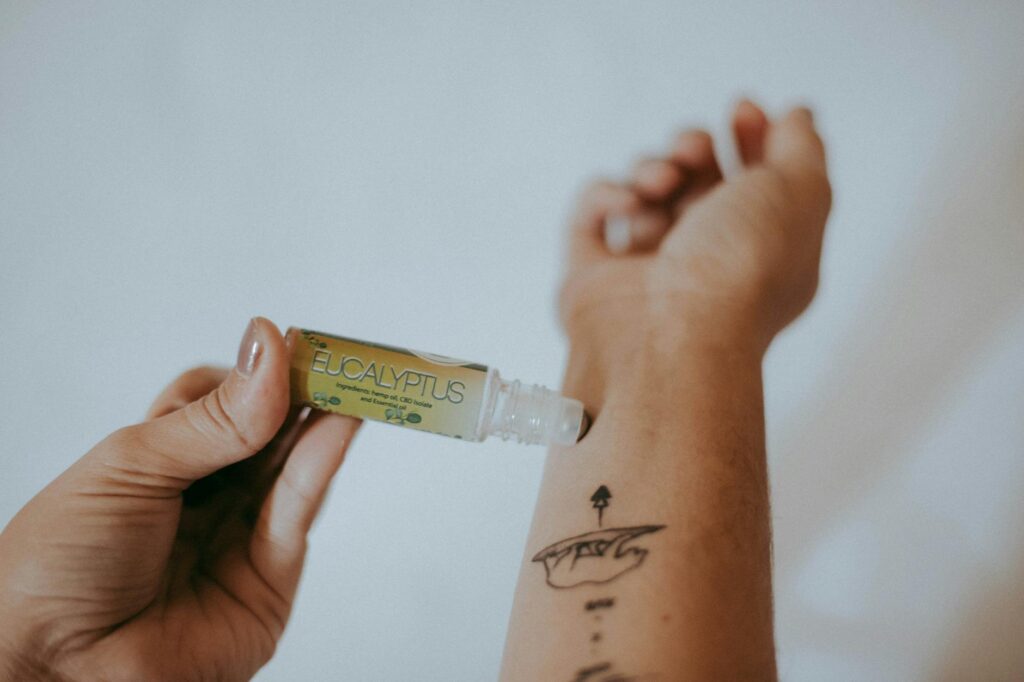
Benefits of Enfleurage Oils
Introduction
Enfleurage oils, a unique and traditional method of extracting essential oils, hold a distinctive place in the world of aromatherapy and perfumery. This technique, which dates back to ancient times, captures the delicate fragrance of flowers in a way that preserves their aromatic compounds. As more individuals seek natural alternatives for health and wellness, understanding the benefits and applications of enfleurage oils becomes increasingly important.
What Is Enfleurage Oils?
Enfleurage is an age-old method of extracting essential oils from flowers, particularly those with delicate and volatile fragrances. The process involves placing fresh flower petals onto a layer of fat, typically a vegetable oil or animal fat, allowing the oil to absorb the fragrance over time. After several days, the petals are replaced with fresh ones, repeating the process until the oil reaches the desired aromatic strength.
This method is especially effective for extracting the essence of flowers that cannot withstand steam distillation or solvent extraction due to their delicate nature. Enfleurage oils are often used in high-quality perfumes and are prized for their complex and rich scent profiles.
Key Benefits and Properties
Enfleurage oils possess several notable benefits and properties that make them unique in the realm of aromatherapy:
1. Complex Aroma: The enfleurage process captures the full spectrum of a flower’s fragrance, providing a more complex and nuanced aroma compared to other extraction methods.
2. Chemical Integrity: Because enfleurage avoids heat and chemical solvents, the extracted oils retain the chemical integrity of the original plant material. This results in oils that are closer to the natural state of the plant.
3. Sustainability: The enfleurage method can be considered sustainable, especially when using local flowers and organic fats. This practice minimizes environmental impact and supports local ecosystems.
4. Historical Significance: Enfleurage has a rich history, particularly in regions known for their floriculture, such as Grasse, France. Understanding this historical context enhances appreciation for the craft and artistry involved in this extraction method.
Common Uses
Enfleurage oils are versatile and can be used in various applications, including:
1. Perfume Creation: Due to their rich and complex aromas, enfleurage oils are often used as base notes in high-end perfumes. Their long-lasting scent makes them ideal for this purpose.
2. Aromatherapy Blends: These oils can also be blended with other essential oils to create unique aromatherapy mixtures, providing a holistic aromatic experience.
3. Cosmetic Products: Enfleurage oils can be incorporated into lotions, creams, and other beauty products to impart fragrance and potentially beneficial properties of the original flowers.
4. Home Fragrance: Many individuals use enfleurage oils in diffusers or oil burners to create a pleasant atmosphere in their homes.
5. Massage Oils: When diluted appropriately, enfleurage oils can be used in massage blends, providing both aromatic pleasure and potential benefits associated with the specific flowers.
Aromatherapy Applications
In aromatherapy, enfleurage oils can be used to enhance well-being through their aromatic properties. Some popular flowers used in enfleurage include jasmine, tuberose, and rose. Each of these flowers carries its own unique benefits:
- Jasmine: Known for its calming and uplifting properties, jasmine enfleurage oil is often used to reduce stress and promote emotional balance.
- Rose: Considered a symbol of love and compassion, rose enfleurage oil is frequently used to evoke feelings of romance and tranquility.
- Tuberose: With its heady and intoxicating fragrance, tuberose enfleurage oil is often employed in aromatherapy to enhance sensuality and emotional openness.
To use enfleurage oils in aromatherapy, consider the following methods:
1. Diffusion: Add a few drops of enfleurage oil to a diffuser to disperse the aroma throughout a room.
2. Inhalation: Place a drop or two on a cotton ball or tissue and inhale the fragrance deeply for an immediate mood boost.
3. Topical Application: When diluted with a carrier oil, enfleurage oils can be applied to pulse points for prolonged fragrance and benefits.
4. Bathing: Incorporating enfleurage oils into bath water can create a luxurious spa-like experience.
Safety Considerations
While enfleurage oils are generally considered safe for use, there are several important safety considerations to keep in mind:
1. Allergies: Individuals with known allergies to specific flowers should exercise caution when using enfleurage oils. Always perform a patch test before applying the oil to larger skin areas.
2. Dilution: Enfleurage oils, like all essential oils, should be diluted properly before topical application. A common dilution ratio is 1-2% for adults, meaning 1-2 drops of essential oil per teaspoon of carrier oil.
3. Pregnancy and Nursing: Pregnant or nursing individuals should consult a healthcare provider before using enfleurage oils, as some oils may not be suitable during these periods.
4. Children: When using enfleurage oils around children, it is crucial to ensure that the oils are diluted appropriately and are safe for their age group.
5. Storage: Proper storage is essential to maintain the integrity of enfleurage oils. Keep them in a cool, dark place, away from direct sunlight.
Storage and Shelf Life
The shelf life of enfleurage oils can vary depending on the type of fat used during extraction and how the oils are stored. Generally, enfleurage oils can last anywhere from 1 to 3 years if stored properly.
To prolong the shelf life:
1. Store in Dark Glass Bottles: Dark glass bottles help protect the oils from light exposure, which can lead to degradation.
2. Keep Cool: Store oils in a cool environment, away from heat sources.
3. Seal Tightly: Ensure that the bottles are sealed tightly to prevent oxidation and evaporation.
4. Check for Changes: Regularly inspect the oils for any changes in color, scent, or texture, which may indicate spoilage.
Frequently Asked Questions
1. What flowers are commonly used in enfleurage?
Common flowers used in enfleurage include jasmine, rose, tuberose, and gardenia. Each flower has its own unique scent profile and potential benefits.
2. How does enfleurage differ from other extraction methods?
Enfleurage is distinct from steam distillation and solvent extraction methods. Unlike steam distillation, enfleurage does not use heat, preserving the delicate aromatic compounds of the flowers. Compared to solvent extraction, enfleurage is a more natural method, relying on fat to absorb the fragrance.
3. Can enfleurage oils be used in cooking?
While some essential oils are safe for culinary use, enfleurage oils are typically not suitable for ingestion. They are primarily used for their aromatic properties in perfumery and aromatherapy.
4. Are enfleurage oils suitable for sensitive skin?
Enfleurage oils should be diluted before topical application, especially for sensitive skin. Always conduct a patch test to ensure no adverse reactions occur.
5. Where can I purchase enfleurage oils?
Enfleurage oils can be found at specialty aromatherapy shops, online retailers, and select health food stores. Ensure that you choose high-quality, pure oils to reap the full benefits.
Conclusion
Enfleurage oils represent a fascinating and artisanal approach to essential oil extraction. Their rich aromas, coupled with their historical significance and potential benefits in aromatherapy, make them a valuable addition to the world of natural fragrance and wellness. As with all essential oils, understanding their properties and how to use them safely enhances the overall experience. Embracing enfleurage oils not only connects us to a time-honored technique but also allows us to appreciate the beauty and complexity of nature’s aromatic offerings.