
Benefits of Essential Oil Blends for Meditation and Mindfulness
Introduction
Meditation and mindfulness practices have gained immense popularity in recent years as tools for enhancing mental well-being, reducing stress, and fostering a deeper connection with oneself. Among the many techniques employed to create a conducive environment for these practices, essential oil blends have emerged as a powerful ally. This article explores the various benefits of essential oil blends specifically designed for meditation and mindfulness, delving into their properties, common uses, and safety considerations.
What Is Essential Oil Blends for Meditation and Mindfulness?
Essential oil blends are mixtures of various essential oils that are combined to enhance their individual therapeutic properties. These blends are crafted to evoke certain moods, feelings, or states of being that complement meditation and mindfulness practices. Essential oils are concentrated extracts derived from plants, capturing their aromatic compounds and beneficial properties. When blended thoughtfully, these oils can create a harmonious atmosphere that supports relaxation, focus, and emotional balance.
Key Benefits and Properties
1. Promotes Relaxation
Many essential oils possess calming properties that can help induce a state of relaxation. Oils such as lavender, chamomile, and bergamot are commonly included in meditation blends for their ability to soothe the mind and body, creating an ideal setting for introspection and tranquility.
2. Enhances Focus
Certain essential oils, like rosemary and peppermint, are known for their ability to stimulate mental clarity and concentration. Incorporating these oils into a blend can support mindfulness practices by helping individuals stay present and focused during meditation.
3. Boosts Mood
Essential oils such as citrus oils (like orange and lemon) and floral oils (like jasmine and ylang-ylang) are often used to uplift spirits and elevate mood. When included in meditation blends, these oils can help individuals cultivate a positive mindset.
4. Supports Emotional Balance
Many essential oils are recognized for their potential to balance emotions. Oils like frankincense and sandalwood are believed to ground and center the individual, promoting a sense of emotional stability during meditation and mindfulness practices.
5. Encourages Spiritual Connection
Some essential oils, particularly those derived from resins and woods, are traditionally used in spiritual practices. Oils like myrrh and cedarwood are thought to promote a deeper connection to one’s spiritual self, making them popular choices for meditation blends.
Common Uses
1. Diffusion
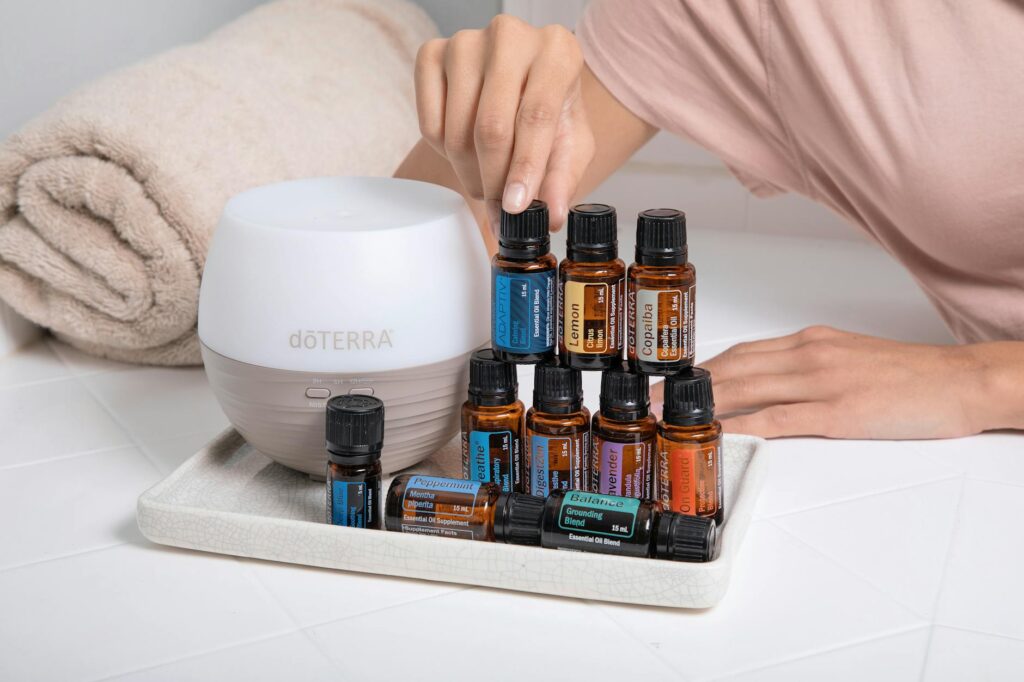
One of the most popular methods for using essential oil blends is through diffusion. By adding a few drops of the blend to a diffuser, the aromas can fill the space, creating an inviting atmosphere for meditation or mindfulness exercises.
2. Topical Application
Essential oil blends can also be diluted with carrier oils (such as jojoba or coconut oil) and applied to pulse points or the skin. This method allows the oils to be absorbed into the body while also providing aromatic benefits.
3. Bathing Rituals
Adding essential oil blends to a warm bath can enhance relaxation and promote mindfulness. The combination of warm water and soothing aromas can create a serene environment for introspection.
4. Meditation Accessories
Essential oil blends can be incorporated into meditation accessories, such as candles or incense. The aromatic experience can enhance the overall atmosphere and deepen the meditation practice.
Aromatherapy Applications
Aromatherapy is the practice of using essential oils for therapeutic benefits. In the context of meditation and mindfulness, aromatherapy can be employed in various ways:
1. Pre-Meditation Rituals
Using essential oil blends in pre-meditation rituals can help set intentions and create a sacred space. Applying oils to the wrists or temples, or simply inhaling the blend, can prepare the mind for meditation.
2. During Meditation
Inhaling the aroma of essential oil blends during meditation can enhance the experience. It can help anchor the mind, making it easier to maintain focus on the breath or a chosen mantra.
3. Post-Meditation Reflection
After a meditation session, essential oils can help facilitate reflection and integration of insights gained during the practice. A calming blend can assist individuals in transitioning back to daily life with a sense of peace and clarity.
Safety Considerations
While essential oils can offer numerous benefits, it is essential to use them safely. Here are key safety considerations:
1. Dilution
Essential oils are potent substances and should be diluted before topical application. A common dilution ratio is 2-3 drops of essential oil per teaspoon of carrier oil.
2. Skin Sensitivity
Individuals with sensitive skin or allergies should conduct a patch test before using a new essential oil blend on the skin. If irritation occurs, discontinue use immediately.
3. Pregnant or Nursing Women
Certain essential oils may not be suitable for pregnant or nursing women. Consult with a qualified professional before use.
4. Children and Pets
Some essential oils can be toxic to children and pets. It is advisable to avoid using specific oils around these populations without proper guidance.
Storage and Shelf Life
Proper storage of essential oils is crucial for maintaining their quality and efficacy. Here are some key points regarding storage:
1. Dark Glass Containers
Essential oils should be stored in dark glass bottles to protect them from light, which can degrade their quality. Amber or cobalt blue bottles are ideal for this purpose.
2. Cool, Dry Place
Store essential oils in a cool, dry place away from direct sunlight and heat sources. Excessive heat can alter their chemical composition.
3. Shelf Life
Most essential oils have a shelf life of 1 to 3 years, depending on the type of oil. Citrus oils tend to have a shorter shelf life, while oils like sandalwood and patchouli can last longer.
Frequently Asked Questions
1. Can I create my own essential oil blends for meditation?
Yes, you can create your own blends by combining different essential oils based on your preferences and desired effects. Start with a few drops of each oil and adjust as needed to achieve a harmonious scent.
2. What are some popular essential oils for meditation?
Popular essential oils for meditation include lavender, sandalwood, frankincense, bergamot, and chamomile. Each oil offers unique properties that can enhance meditation and mindfulness practices.
3. How do I use essential oils in my meditation practice?
You can use essential oils by diffusing them, applying them topically (diluted with a carrier oil), or adding them to your bath. Experiment with different methods to find what works best for you.
4. Are there any essential oils I should avoid?
Certain essential oils, such as those that are highly irritating or toxic, should be avoided, especially around children and pets. Always research oils before use and consult a knowledgeable source if unsure.
5. How can I find high-quality essential oils?
Look for reputable brands that provide information on sourcing and testing their oils. Organic certification and third-party testing can be indicators of high-quality essential oils.
Conclusion
Essential oil blends offer a myriad of benefits for those seeking to enhance their meditation and mindfulness practices. By promoting relaxation, focus, emotional balance, and spiritual connection, these aromatic compounds can serve as valuable tools in cultivating a deeper sense of awareness and well-being. However, it is essential to approach their use with knowledge and care, ensuring safety and efficacy. With proper understanding and application, essential oil blends can enrich one’s journey towards inner peace and mindfulness.