
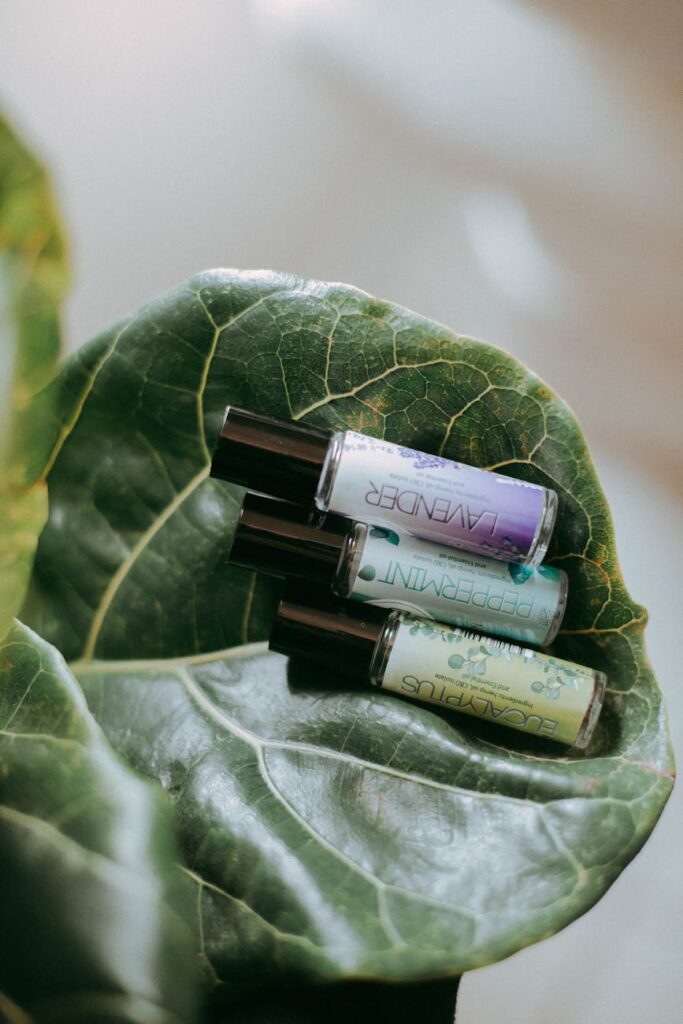
Benefits of Essential Oil Blends for Mood Enhancement
Introduction
Aromatherapy, the therapeutic use of essential oils, has gained popularity in recent years as a holistic approach to wellness. Essential oil blends, specifically formulated for mood enhancement, offer a unique way to elevate emotional well-being and create a harmonious atmosphere. This article will explore the essence of essential oil blends for mood enhancement, their key benefits, common uses, and safety considerations.
What Is Essential Oil Blends for Mood Enhancement?
Essential oil blends are combinations of various essential oils, each contributing its own unique properties and scents. When blended, these oils can synergize to create an enhanced effect that supports emotional balance and well-being. Mood enhancement blends typically aim to alleviate feelings of stress, anxiety, and sadness while promoting feelings of joy, calm, and relaxation.
Common essential oils used in mood-enhancing blends include:
- Lavender (Lavandula angustifolia): Known for its calming properties.
- Bergamot (Citrus bergamia): Often used to relieve stress and uplift mood.
- Sweet Orange (Citrus sinensis): Recognized for its cheerful and uplifting scent.
- Frankincense (Boswellia carterii): Valued for its grounding properties.
By combining these oils, practitioners can create personalized blends tailored to specific emotional needs.
Key Benefits and Properties
Emotional Balance
Essential oil blends for mood enhancement can help restore emotional balance. The inhalation of these oils can stimulate the limbic system of the brain, which is responsible for emotional responses. This stimulation can lead to the release of neurotransmitters like serotonin and dopamine, often referred to as “feel-good” hormones.
Stress Reduction
Many essential oils possess calming properties that can effectively reduce stress. Oils like lavender and chamomile can promote relaxation, making them ideal for individuals experiencing high levels of anxiety or tension.
Mood Upliftment
Citrus oils, such as sweet orange and lemon, are particularly effective in elevating mood. Their bright, refreshing scents can instill feelings of happiness and vitality, proving beneficial during periods of low energy or sadness.
Grounding and Centering
Certain oils, such as frankincense and cedarwood, can provide grounding effects. These oils help create a sense of stability and calm, making them particularly useful during times of emotional upheaval.
Common Uses
Essential oil blends for mood enhancement can be utilized in various ways, depending on personal preferences and the desired effect. Below are some common applications:
Diffusion
Using an essential oil diffuser is one of the most popular methods for dispersing the scent of essential oil blends into the air. This method not only fills a room with pleasant aromas but also allows for the inhalation of the therapeutic benefits of the oils.
Topical Application
Diluting essential oil blends with a carrier oil (such as jojoba or coconut oil) allows for safe topical application. This method is particularly useful for localized tension relief, such as applying to the wrists or behind the ears.
Bathing
Adding essential oil blends to bathwater can create a relaxing and mood-enhancing experience. The warm water helps to disperse the oils and allows for full-body absorption through the skin.
Inhalation
Simple inhalation of essential oil blends directly from the bottle or by using a personal inhaler can provide immediate mood enhancement. This method is particularly convenient for on-the-go use.
Aromatherapy Applications
Personal Care Products
Many individuals incorporate essential oil blends into their daily routines by adding them to personal care products such as lotions, shampoos, and body sprays. These blends not only provide therapeutic benefits but also enhance the sensory experience of personal care.
Meditation and Yoga
Incorporating essential oil blends during meditation or yoga sessions can enhance the overall experience. Oils that promote calmness and focus can help individuals reach a deeper state of relaxation and mindfulness.
Home Environment
Diffusing essential oil blends throughout the home can create a calming and inviting atmosphere. This practice is especially beneficial during gatherings or family time, as it can set a positive tone for interactions.
Safety Considerations
While essential oil blends can provide numerous benefits, it is essential to practice safety and awareness when using them. Here are some key considerations:
Skin Sensitivity
Some individuals may experience skin irritation when applying essential oils topically. Conducting a patch test by applying a small amount of diluted oil on a less sensitive area can help identify any potential reactions.
Pregnancy and Nursing
Certain essential oils are contraindicated during pregnancy or while nursing. It is advisable for individuals in these circumstances to consult with a qualified aromatherapist or healthcare professional before use.
Quality of Oils
The quality of essential oils can vary significantly among brands. Opting for pure, therapeutic-grade oils from reputable sources is essential for maximizing benefits and ensuring safety.
Dilution
Essential oils should be diluted with a carrier oil before applying them to the skin. A general guideline is to use a dilution of 2-3% essential oil to carrier oil for topical applications.
Storage and Shelf Life
Proper storage of essential oils is crucial for maintaining their potency and quality. Here are some guidelines:
Storage Conditions
Essential oils should be stored in a cool, dark place away from direct sunlight and heat sources. This helps to preserve their chemical composition and extend shelf life.
Airtight Containers
Using dark glass bottles can protect essential oils from light exposure. Ensure that bottles are tightly sealed to prevent oxidation and contamination.
Shelf Life
The shelf life of essential oils can vary depending on the type of oil. Generally, citrus oils have a shorter shelf life of about 1-2 years, while oils such as sandalwood or patchouli may last for several years if stored properly.
Frequently Asked Questions
Can I create my own essential oil blends for mood enhancement?
Absolutely! Creating your own blends allows for personalization based on your specific emotional needs. Begin with a base oil and add complementary oils that resonate with you.
How long does it take to feel the effects of an essential oil blend?
The effects of inhaling essential oil blends can often be felt almost immediately. However, the impact may vary depending on individual sensitivities and the specific oils used.
Are there any essential oils that should be avoided for mood enhancement?
Some essential oils, such as those with stimulating properties (like peppermint or eucalyptus), may not be ideal for mood enhancement, especially if relaxation is the goal. It’s essential to choose oils that align with your desired emotional outcome.
Can essential oil blends replace conventional treatments for mood disorders?
While essential oils can support emotional wellness, they should not replace conventional treatments or therapies for mood disorders. It is always advisable to consult with a healthcare professional for comprehensive care.
Conclusion
Essential oil blends for mood enhancement present a promising avenue for emotional well-being. Their diverse properties can provide support for stress reduction, emotional balance, and overall mood upliftment. By understanding their uses, benefits, and safety considerations, individuals can effectively integrate these aromatic treasures into their daily lives. Whether through diffusion, topical application, or personal care products, essential oil blends can serve as a delightful and therapeutic addition to emotional wellness practices.