
Benefits of Essential Oil Blends for Pain Relief
Introduction
Essential oils have gained significant popularity in recent years, not only for their aromatic qualities but also for their potential therapeutic applications. Among these, pain relief stands out as a common reason individuals turn to essential oils. The use of essential oil blends combines the properties of various oils to create a synergistic effect, enhancing their overall efficacy. This article explores the benefits, properties, and applications of essential oil blends specifically designed for pain relief.
What Is Essential Oil Blends for Pain Relief?
Essential oil blends for pain relief are combinations of various essential oils formulated to address discomfort and promote overall well-being. Essential oils are concentrated plant extracts obtained through methods such as steam distillation or cold pressing. Each oil possesses unique chemical constituents that contribute to its therapeutic properties. When blended, these oils can work in harmony, amplifying their effects and providing a more comprehensive approach to pain management.
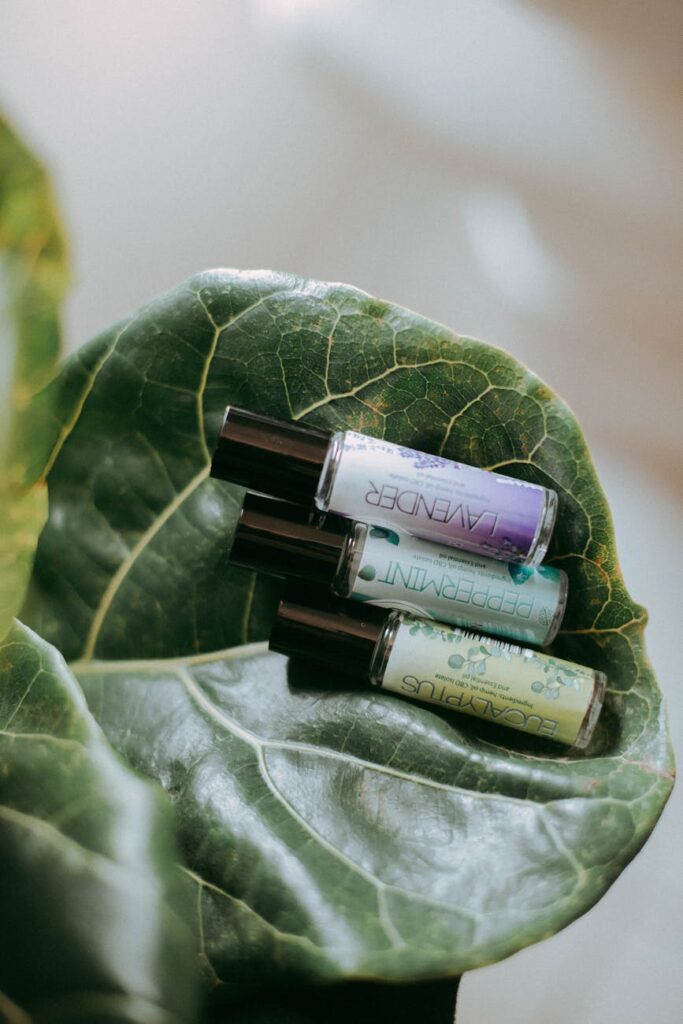
The formulation of an essential oil blend may include oils known for their analgesic (pain-relieving), anti-inflammatory, and soothing properties. Common essential oils used in these blends include peppermint, lavender, eucalyptus, and rosemary, among others.
Key Benefits and Properties
1. Analgesic Properties: Many essential oils have inherent analgesic qualities, which can help alleviate pain when applied topically or inhaled. For instance, peppermint oil contains menthol, a compound known for its cooling effect and pain-relieving properties.
2. Anti-inflammatory Effects: Essential oils such as eucalyptus and ginger are renowned for their anti-inflammatory properties. Reducing inflammation can be crucial in managing pain, especially in conditions like arthritis or muscle strains.
3. Relaxation and Stress Relief: Chronic pain is often accompanied by stress and anxiety. Oils like lavender are well-known for their calming effects, which can help alleviate the overall experience of pain by promoting relaxation and reducing tension.
4. Enhanced Circulation: Certain essential oils, including rosemary and black pepper, are believed to stimulate circulation. Improved blood flow can aid in the recovery of sore muscles and joints, thereby reducing pain.
5. Muscle Relaxation: Essential oils such as marjoram and chamomile are often included in blends for their muscle-relaxing properties. This can be particularly beneficial for individuals experiencing tension-related discomfort.
Common Uses
Essential oil blends for pain relief can be utilized in various ways, depending on individual preferences and circumstances. Some common uses include:
- Topical Application: Diluted essential oil blends can be massaged into the skin over affected areas. Ensure proper dilution with a carrier oil, such as coconut or jojoba oil, to avoid skin irritation.
- Aromatherapy Diffusion: Using a diffuser, essential oil blends can be inhaled to promote relaxation and relieve tension, which may indirectly alleviate pain.
- Bath Soaks: Adding essential oil blends to a warm bath can create a soothing experience. The heat combined with the aromatic properties of the oils can assist in relieving muscle tension and promoting relaxation.
- Compresses: A warm or cold compress infused with essential oil blends can be applied to sore areas, providing targeted relief.
Aromatherapy Applications
Aromatherapy is a holistic approach that utilizes essential oils to enhance physical, emotional, and spiritual well-being. When it comes to pain relief, the application of essential oil blends can be particularly effective.
1. Inhalation: Inhaling the aroma of essential oils can stimulate the limbic system, the part of the brain that controls emotions and pain perception. This makes inhalation a powerful method for addressing pain, especially for tension and stress-related discomfort.
2. Massage: Incorporating essential oil blends into massage therapy can amplify the benefits of both modalities. The combination of touch and aromatherapy can lead to profound relaxation and pain relief.
3. Meditation Practices: Essential oils can enhance the experience of meditation by promoting relaxation and focus. Incorporating these oils into meditation can help individuals manage chronic pain by fostering a sense of calm and mindfulness.
4. Yoga and Physical Activities: Some practitioners use essential oil blends during yoga or physical activities to support muscle relaxation and mental clarity. The aromatic experience can enhance physical performance and recovery.
Safety Considerations
While essential oils are generally considered safe when used appropriately, there are several safety considerations to keep in mind:
1. Dilution: Essential oils are highly concentrated and should be diluted with a carrier oil before topical application. A common recommendation is to use a 2-5% dilution, depending on the oil and the individual’s sensitivity.
2. Patch Testing: Before using a new essential oil blend, conduct a patch test on a small area of skin to check for any allergic reactions or sensitivities.
3. Pregnancy and Nursing: Certain essential oils may not be safe for use during pregnancy or while nursing. Always consult with a qualified expert before use in these circumstances.
4. Medical Conditions: Individuals with specific health conditions, such as epilepsy or high blood pressure, should exercise caution and consult with a healthcare provider before using essential oils.
5. Children and Pets: Some essential oils are not safe for use around children or pets. Research the specific oils in your blend to ensure their safety.
Storage and Shelf Life
Proper storage of essential oils is essential to maintain their efficacy and prolong their shelf life. Follow these guidelines for optimal storage:
1. Dark Glass Containers: Essential oils should be stored in dark glass bottles to protect them from light, which can degrade their quality.
2. Cool, Dry Place: Store essential oils in a cool, dry location away from direct sunlight and heat sources. A cabinet or drawer is often ideal.
3. Tight-Sealing Caps: Ensure that bottles are tightly sealed to prevent oxidation and evaporation.
4. Shelf Life: The shelf life of essential oils varies depending on the type. Generally, citrus oils have a shorter shelf life (1-2 years), while oils like patchouli may last longer (up to 10 years). Regularly check for any changes in odor, color, or consistency, which may indicate degradation.
Frequently Asked Questions
1. Can essential oil blends completely eliminate pain?
While essential oil blends can help alleviate discomfort, they are not a substitute for medical treatment. Their effectiveness varies from person to person, and they should be used as part of a broader pain management strategy.
2. How do I choose the right essential oil blend for my needs?
Choosing the right blend depends on the type of pain you are experiencing, your personal preferences, and any sensitivities you may have. Research different blends and consider consulting with a qualified aromatherapist for personalized recommendations.
3. How often can I use essential oil blends for pain relief?
The frequency of use will depend on individual tolerance and the specific oils in the blend. It is advisable to start with a small amount and gradually increase as needed, ensuring to monitor for any adverse reactions.
4. Are there any essential oils that should be avoided?
Certain essential oils may not be suitable for everyone. For instance, oils like wintergreen and birch contain methyl salicylate, which can be toxic if used improperly. Always research individual oils and consult with knowledgeable sources if unsure.
5. Can I make my own essential oil blends for pain relief?
Yes, many individuals enjoy crafting their own blends tailored to their preferences. However, it is essential to understand the properties of each oil and to follow safe dilution practices.
In conclusion, essential oil blends for pain relief offer a natural, aromatic approach to managing discomfort and promoting relaxation. By understanding their properties, applications, and safety considerations, individuals can harness the benefits of these fragrant extracts to enhance their overall well-being. As with any holistic practice, individual experiences may vary, and it is essential to approach the use of essential oils with mindfulness and care.