
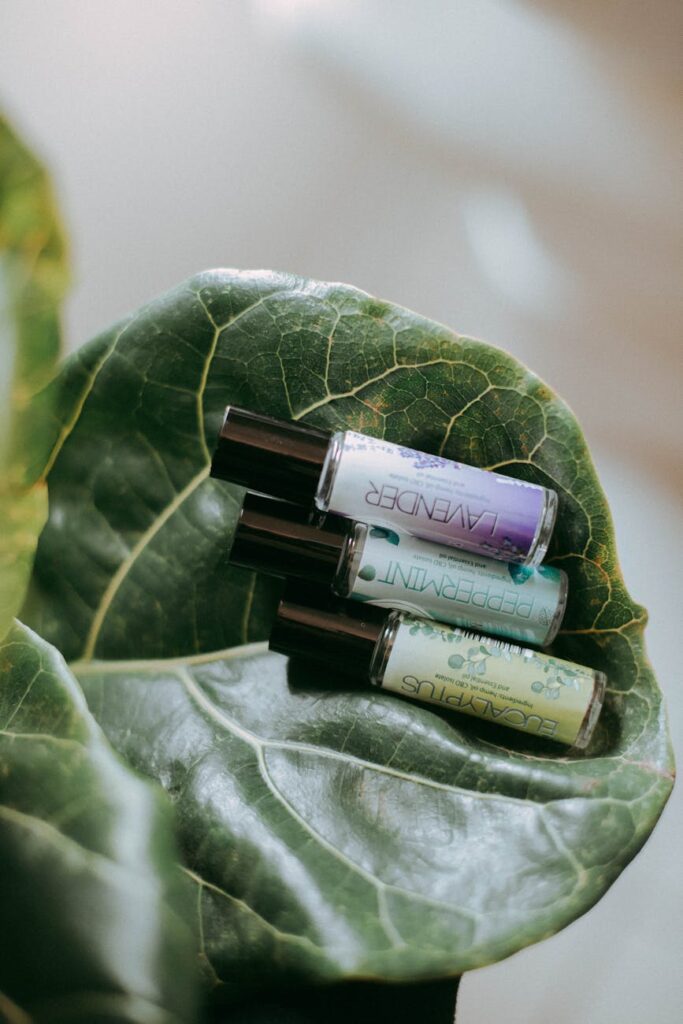
Benefits of Essential Oil Blends for Seasonal Mood Enhancement and Emotional Support
Introduction
Essential oils have garnered significant attention in recent years for their therapeutic properties and potential benefits in emotional well-being. As the seasons change, many individuals experience fluctuations in mood and energy levels, often influenced by factors such as sunlight exposure, temperature variations, and even social activities. Essential oil blends specifically formulated for seasonal mood enhancement and emotional support can offer a natural approach to help manage these changes. This article explores the concept of essential oil blends, their benefits, common uses, and practical applications in aromatherapy.
What Is Essential Oil Blends for Seasonal Mood Enhancement and Emotional Support?
Essential oil blends are combinations of various essential oils that aim to harness the unique properties of each component to achieve a specific outcome. In the context of seasonal mood enhancement and emotional support, these blends are crafted to uplift spirits, reduce anxiety, and promote a sense of well-being.
The creation of these blends often involves pairing oils known for their mood-lifting properties—such as citrus oils like lemon and orange—with calming oils like lavender or chamomile. The synergistic effects of these combinations can help individuals cope with seasonal affective disorder (SAD), stress, and general emotional fluctuations.
Key Benefits and Properties
1. Uplifting Mood
Citrus oils, such as bergamot and grapefruit, are well-known for their uplifting properties. They can help stimulate the mind and body, promoting feelings of happiness and positivity.
2. Reducing Anxiety and Stress
Essential oils like lavender, frankincense, and ylang-ylang possess calming effects that can help alleviate feelings of anxiety and stress. These oils work to promote relaxation and emotional balance.
3. Enhancing Mental Clarity
Certain essential oils, such as rosemary and peppermint, are believed to enhance focus and mental clarity. They can be particularly beneficial during times of seasonal transition when distractions may become more prevalent.
4. Supporting Emotional Resilience
Essential oil blends that include grounding oils like cedarwood and sandalwood can help foster emotional resilience, encouraging individuals to navigate seasonal changes with greater ease.
5. Promoting Relaxation and Sleep
Many essential oils, such as chamomile and marjoram, have sedative qualities that can help improve sleep quality, which is crucial for maintaining emotional stability during seasonal changes.
Common Uses
1. Diffusion
One of the most popular ways to use essential oil blends is through a diffuser. By adding a few drops of the blend to a diffuser, individuals can fill their space with uplifting aromas that promote a positive atmosphere.
2. Inhalation
Direct inhalation of essential oils from the bottle or by placing a few drops on a handkerchief can provide immediate support for mood enhancement, especially during stressful moments.
3. Topical Application
Diluting essential oil blends with a carrier oil and applying them to pulse points, such as wrists and temples, can create a personal aroma that provides emotional support throughout the day.
4. Bathing
Adding essential oil blends to bathwater can transform a simple bath into a soothing experience. The steam carries the aroma, while the warm water promotes relaxation.
5. Massage
Incorporating essential oil blends into massage can enhance the therapeutic effects of touch, promoting relaxation and emotional release.
Aromatherapy Applications
1. Seasonal Affective Disorder (SAD)
For individuals experiencing SAD, blends that include uplifting citrus oils and grounding oils can help alleviate seasonal gloom.
2. Stress Management
Blends that combine calming oils like lavender with invigorating oils can create an effective tool for managing stress in everyday life.
3. Emotional Balance
Blends aimed at emotional balance often incorporate a variety of oils that promote grounding and uplifting qualities, helping individuals navigate emotional ups and downs.
4. Focus and Concentration
In professional or academic settings, blends that enhance concentration and mental clarity can be beneficial for maintaining productivity during seasonal transitions.
5. Sleep Support
Bedtime blends that include calming oils can be diffused or used in a personal inhaler to promote restful sleep during seasons when sleep patterns may be disrupted.
Safety Considerations
While essential oils are generally considered safe when used properly, there are several safety considerations to keep in mind:
1. Dilution
Always dilute essential oils before applying them to the skin. A general guideline is to use 1-3 drops of essential oil per teaspoon of carrier oil for topical application.
2. Sensitivity Testing
Conduct a patch test by applying a small amount of diluted essential oil to a discreet area of skin to check for any adverse reactions.
3. Avoiding Certain Populations
Pregnant or nursing women, children, and individuals with specific health conditions should consult with a qualified professional before using essential oils.
4. Quality of Essential Oils
Using high-quality, therapeutic-grade essential oils is crucial for ensuring the safety and efficacy of the blends being used.
Storage and Shelf Life
Proper storage is essential to maintain the integrity of essential oil blends. Here are some tips:
1. Dark Glass Containers
Store essential oils in dark glass bottles to protect them from light, which can degrade the quality of the oils.
2. Cool, Dry Places
Keep essential oils in a cool, dry location to prevent them from becoming compromised. Avoid areas with high humidity or temperature fluctuations.
3. Shelf Life
Most essential oils have a shelf life of 1-3 years, depending on the type. Citrus oils tend to have a shorter shelf life, while oils like sandalwood can last longer. Regularly check for changes in scent or consistency.
Frequently Asked Questions
1. Can I create my own essential oil blends?
Yes, many individuals enjoy crafting their own essential oil blends. Start by researching the properties of various oils and experiment by combining them in small quantities.
2. How often should I use essential oil blends for mood support?
The frequency of use can vary based on individual preference and needs. Many people find daily use beneficial, while others may use them as needed.
3. Are there specific essential oils that are best for seasonal mood enhancement?
While preferences can vary, oils such as bergamot, lavender, lemon, and frankincense are often recommended for their mood-enhancing properties.
4. Can essential oils replace professional mental health treatment?
Essential oils can be a complementary practice for emotional support but should not replace professional mental health treatment when needed.
5. Can I use essential oils if I have allergies?
Individuals with allergies should exercise caution and consult with a healthcare provider before using essential oils, especially those known to trigger allergic reactions.
Conclusion
Essential oil blends can serve as a valuable tool for seasonal mood enhancement and emotional support, harnessing the benefits of nature to promote mental well-being. By understanding the properties and applications of these oils, individuals can create an enriching aromatic experience that supports their emotional health year-round. With proper use and safety considerations in mind, essential oil blends can be a delightful addition to one’s self-care regimen, especially during the transitional periods of the seasons.