
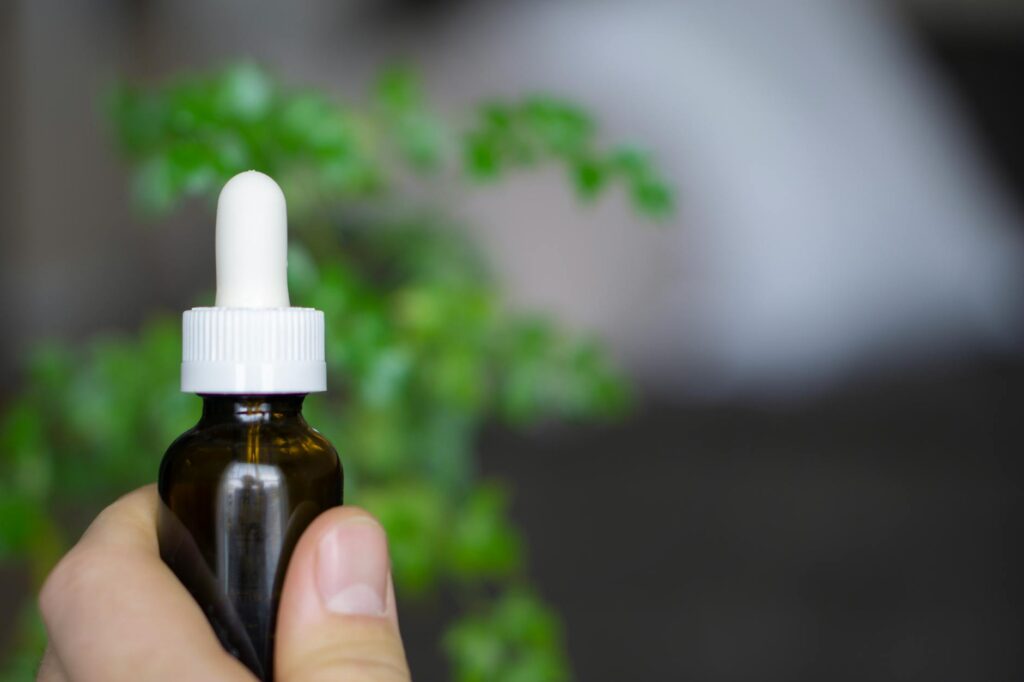
Benefits of Essential Oil Blends for Seasonal Wellness and Immune Support in Adults
Introduction
As the seasons change, many individuals find themselves seeking ways to support their overall wellness and bolster their immune systems. Essential oils, derived from various plants, have been used for centuries for their therapeutic properties. When blended thoughtfully, these oils can create powerful combinations that may enhance seasonal wellness and provide immune support. This article explores the nature of essential oil blends, their benefits, common applications, safety considerations, and more.
What Is Essential Oil Blends for Seasonal Wellness and Immune Support in Adults?
Essential oil blends consist of two or more essential oils mixed together to create a synergistic effect. Each oil possesses unique properties, and when combined, they can amplify each other’s benefits. Seasonal wellness blends typically aim to address the challenges that arise during specific times of the year, such as allergies in spring or colds in winter. Immune support blends may include oils known for their potential to promote a healthy immune response.
Common essential oils used for seasonal wellness and immune support include:
- Eucalyptus: Often celebrated for its refreshing aroma and potential respiratory benefits.
- Tea Tree: Known for its antimicrobial properties.
- Lavender: Valued for its calming effects and potential to reduce stress.
- Lemon: Renowned for its uplifting scent and antioxidant properties.
- Peppermint: Often used for its invigorating aroma and potential digestive benefits.
By combining these oils, users can create a versatile blend tailored to their specific needs.
Key Benefits and Properties
The benefits of essential oil blends for seasonal wellness and immune support can be categorized into several key areas:
1. Respiratory Support
Many essential oils, such as eucalyptus and peppermint, are traditionally associated with respiratory health. Their invigorating aromas may help open airways and promote easier breathing, providing comfort during seasonal changes.
2. Immune System Support
Certain essential oils possess properties that may help support the immune system. For instance, tea tree oil is frequently cited for its potential antimicrobial and antifungal properties, making it a popular choice in immune-support blends.
3. Stress Relief
Seasonal changes can bring about stress and anxiety. Oils like lavender and chamomile are known for their calming effects, which may help individuals manage emotional well-being during hectic times.
4. Mood Enhancement
The uplifting properties of citrus oils, such as lemon and orange, can contribute to improved mood and energy levels. This can be particularly beneficial during the shorter, darker days of winter.
5. Antioxidant Properties
Many essential oils contain antioxidants, which are compounds that may help combat oxidative stress in the body. Essential oils like clary sage and rosemary are noted for their potential antioxidant benefits, supporting overall wellness.
Common Uses
Essential oil blends can be utilized in various ways to enhance seasonal wellness and immune support:
1. Diffusion
One of the most popular methods of using essential oils is through diffusion. By adding a few drops of an essential oil blend to a diffuser, individuals can disperse the aroma throughout a room, creating a calming or invigorating atmosphere.
2. Topical Application
Diluting essential oil blends in a carrier oil, such as coconut or jojoba oil, allows for safe topical application. This method is often used on pulse points, the chest, or the soles of the feet for targeted benefits.
3. Inhalation
Inhaling essential oils directly from the bottle or a tissue can provide immediate aromatic benefits. This method is especially useful for respiratory support during seasonal changes.
4. Bathing
Adding essential oil blends to a warm bath can create a soothing experience that promotes relaxation and stress relief. It is essential to mix oils with a dispersant, such as Epsom salts, to ensure even distribution in water.
5. Cleaning Products
Many essential oils exhibit antimicrobial properties, making them effective additions to homemade cleaning products. Blending oils like tea tree and lemon with vinegar or alcohol can create a natural disinfectant.
Aromatherapy Applications
Aromatherapy is the practice of using essential oils to enhance physical and emotional well-being. Essential oil blends for seasonal wellness and immune support can be integrated into various aromatherapy practices:
1. Room Spray
Creating a room spray with essential oils can help purify the air and create a pleasant environment. Mixing water with essential oil blends in a spray bottle allows users to refresh their living spaces easily.
2. Massage
Incorporating essential oils into massage oils can enhance the therapeutic effects of the massage experience. The scents can promote relaxation while the physical touch aids in stress relief.
3. Meditation
Using essential oil blends during meditation can deepen the experience. Scents like frankincense and sandalwood are often used to create a calming atmosphere conducive to mindfulness practices.
Safety Considerations
While essential oils are natural, they must be used with care. Here are some safety considerations to keep in mind:
1. Dilution
Essential oils should always be diluted with a carrier oil before applying them to the skin to prevent irritation. A common dilution ratio is 1-2 drops of essential oil per teaspoon of carrier oil.
2. Patch Testing
Before using a new essential oil blend on the skin, conducting a patch test on a small area can help identify any adverse reactions.
3. Avoiding Sensitive Areas
Essential oils should not be applied to sensitive areas of the body, such as the eyes or mucous membranes.
4. Pregnancy and Nursing
Pregnant or nursing individuals should consult with a qualified healthcare professional before using essential oils, as some oils may not be safe for use during these periods.
5. Quality of Oils
Choosing high-quality, therapeutic-grade essential oils is crucial. Look for oils that are pure and free from additives or synthetic fragrances.
Storage and Shelf Life
To maintain the effectiveness of essential oils, proper storage is essential:
1. Dark Glass Containers
Essential oils should be stored in dark glass containers to protect them from light, which can degrade their quality.
2. Cool, Dry Place
Keeping oils in a cool, dry place away from direct sunlight and heat will help extend their shelf life.
3. Shelf Life
The shelf life of essential oils varies by type but typically ranges from 1 to 3 years. Citrus oils may have a shorter shelf life, while oils like patchouli can last much longer.
Frequently Asked Questions
1. Can essential oil blends replace traditional medicine?
Essential oil blends should not be seen as a replacement for traditional medicine. They can complement wellness practices but should be used with caution and respect for individual health conditions.
2. How often can I use essential oil blends?
The frequency of use depends on the individual and the specific oils used. It is advisable to start with small amounts and increase as needed while monitoring for any adverse effects.
3. Are there specific essential oils that are better for seasonal wellness?
While many essential oils can contribute to seasonal wellness, those known for their respiratory support, immune properties, and calming effects are often favored, including eucalyptus, tea tree, lavender, and lemon.
4. Can I create my own essential oil blends?
Yes, many individuals enjoy creating their own blends. It is essential to research the properties of each oil and consider the desired effects when formulating a blend.
5. Is it safe to use essential oils around pets?
Certain essential oils can be harmful to pets. It is crucial to research which oils are safe for use around animals and consult with a veterinarian if unsure.
Conclusion
Essential oil blends for seasonal wellness and immune support can offer various benefits, from respiratory support to mood enhancement. By understanding their properties and applications, individuals can incorporate these aromatic tools into their wellness routines thoughtfully. As with any natural remedy, it is vital to prioritize safety, choose high-quality oils, and listen to one’s body when using essential oils. Embracing the power of nature can be a meaningful way to navigate the challenges of seasonal changes and support overall well-being.