
Benefits of Essential Oil Blends for Seasonal Wellness and Immune Support in Children
Introduction
As the seasons change, children often encounter various challenges, including shifting weather patterns, increased allergens, and the potential for seasonal illnesses. In recent years, essential oils have gained popularity as natural alternatives for promoting wellness. Essential oil blends can offer a variety of benefits, particularly for seasonal wellness and immune support. This article delves into the nature of these blends, their key benefits, common uses, and safety considerations, providing a comprehensive overview for parents and caregivers.
What Is Essential Oil Blends for Seasonal Wellness and Immune Support in Children?
Essential oils are concentrated extracts derived from plants, capturing their aromatic compounds and therapeutic properties. When combined into blends, these oils can synergistically enhance their effects. Essential oil blends for seasonal wellness and immune support typically contain oils known for their supportive properties during seasonal transitions. Commonly included oils may be derived from herbs, flowers, and trees, each chosen for their unique characteristics.
These blends are formulated to help bolster the immune system, alleviate discomfort associated with seasonal changes, and promote overall well-being. They can be used in various applications, making them versatile tools in a wellness toolkit for children.
Key Benefits and Properties
Immune Support
Certain essential oils, such as tea tree, eucalyptus, and oregano, are recognized for their potential immune-boosting properties. These oils contain compounds that may help the body fend off seasonal illnesses, making them valuable additions to a child’s wellness routine.
Respiratory Health
Essential oils like peppermint and lemon can support respiratory function. Their invigorating aromas may help clear nasal passages and encourage easier breathing, providing comfort during allergy season or when colds are prevalent.
Emotional Well-Being
The aromatic properties of certain essential oils can positively influence mood and emotional health. Lavender and chamomile, for example, are known for their calming effects, which can help alleviate stress and anxiety during times when children may feel unwell or overwhelmed by seasonal changes.
Skin Health
Some essential oils have antiseptic and soothing properties, making them beneficial for maintaining skin health, especially during seasonal transitions. Oils like lavender and frankincense can help soothe irritations and support skin integrity.
Common Uses
Essential oil blends can be utilized in various ways, tailored to individual needs and preferences. Here are some common applications:
Diffusion
Using a diffuser to disperse essential oil blends into the air is one of the most popular methods. This allows children to inhale the aromatic compounds, which can create a calming environment and promote respiratory health.
Topical Application
Diluting essential oils in a carrier oil, such as coconut or almond oil, allows for safe topical application. This method can be particularly effective for localized support, such as applying a blend to the chest to promote respiratory health or to pulse points for emotional support.
Bathing
Adding essential oil blends to bathwater can create a soothing and therapeutic experience. This method is particularly beneficial for relaxation and skin health, providing a calming atmosphere while also nourishing the skin.
Inhalation
For quick relief, children can inhale essential oil blends directly from a cotton ball or tissue. This method is useful for immediate support, particularly during allergy season or when feeling under the weather.
Aromatherapy Applications
Integrating essential oil blends into daily routines can promote seasonal wellness and immune support. Here are some effective aromatherapy applications:
Morning Routine
Incorporating uplifting blends, such as citrus oils, into morning routines can energize children and set a positive tone for the day. Diffusing bright citrus oils can stimulate alertness and enhance mood.
Bedtime Rituals
Calming blends featuring lavender and chamomile can be diffused in the evening or applied topically to promote relaxation and improve sleep quality. Establishing a bedtime ritual that includes these soothing aromas can help children unwind after a busy day.
Homework or Study Sessions
Certain essential oils, such as rosemary and peppermint, are known for their ability to enhance focus and concentration. Diffusing these oils during study sessions can create an environment conducive to learning.
Seasonal Changes
During seasonal transitions, particularly in spring and fall, using essential oil blends that support respiratory health and immune function can be beneficial. Regularly diffusing or applying these blends can help mitigate the effects of allergens and changing weather conditions.
Safety Considerations
While essential oils can offer numerous benefits, it is crucial to use them safely, especially for children. Here are some important safety guidelines:
Dilution
Essential oils are highly concentrated and should always be diluted before topical application. A common guideline is to use a dilution ratio of 1% to 2% for children, which equates to about one drop of essential oil to every teaspoon of carrier oil.
Age Appropriateness
Certain essential oils are not suitable for young children. It is essential to research individual oils and their safety profiles, particularly for children under the age of two. Oils like peppermint and eucalyptus may be too strong for younger children.
Skin Sensitivity
Before applying any essential oil blend to a child’s skin, it is wise to perform a patch test by applying a small amount of diluted oil to a discreet area. This helps ensure there is no adverse reaction.
Consultation with Professionals
Engaging with a qualified aromatherapist or healthcare professional is advisable, especially if a child has pre-existing health conditions or is taking medication. Staying informed about the properties of essential oils and their potential interactions is essential for safe use.
Storage and Shelf Life
Proper storage is crucial to maintaining the efficacy and safety of essential oil blends. Here are some guidelines:
Storage
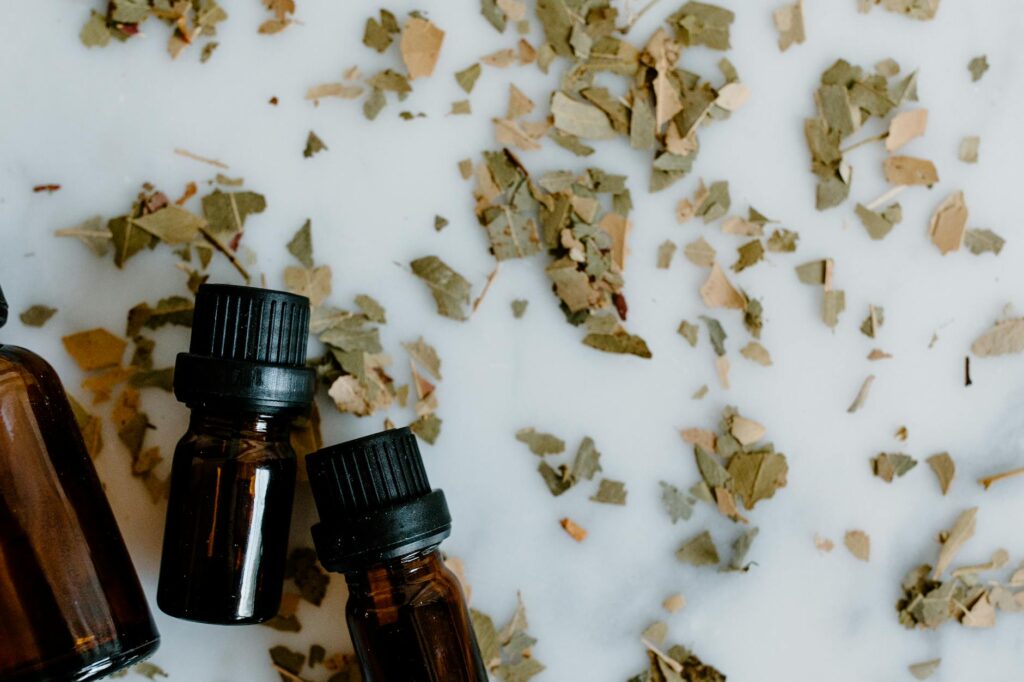
Essential oils should be stored in dark glass bottles to protect them from light, which can degrade their quality. Keeping them in a cool, dry place away from heat sources is also important for prolonging shelf life.
Shelf Life
The shelf life of essential oils varies depending on the type of oil and storage conditions. Generally, most essential oils have a shelf life of 1 to 3 years, while citrus oils may have a shorter shelf life. Regularly checking for changes in aroma or consistency can help determine if an oil is still viable.
Frequently Asked Questions
Can essential oil blends replace conventional medicine?
While essential oil blends can support wellness, they should not replace medical treatment or advice. They can be used as complementary tools, but it’s essential to consult healthcare professionals for medical concerns.
Are there age restrictions for using essential oils?
Yes, some essential oils are not suitable for young children. Always research and ensure that the oils used are safe for the child’s age group.
How can I introduce essential oils to my child?
Start with simple and well-tolerated oils, such as lavender or sweet orange. Introduce them slowly, observing your child’s reactions, and always prioritize safety through proper dilution and application methods.
Can essential oils be used during pregnancy or breastfeeding?
Certain essential oils are safe during pregnancy and breastfeeding, while others are not. Always consult with a healthcare professional before using essential oils in these circumstances.
Conclusion
Essential oil blends can serve as valuable allies in promoting seasonal wellness and immune support for children. With their diverse properties and applications, these blends offer a natural approach to enhancing well-being during transitional periods. However, it is essential to prioritize safety and consult with professionals when integrating essential oils into a child’s wellness regimen. By doing so, parents and caregivers can harness the potential benefits of essential oils while ensuring a safe and nurturing environment for their children.