
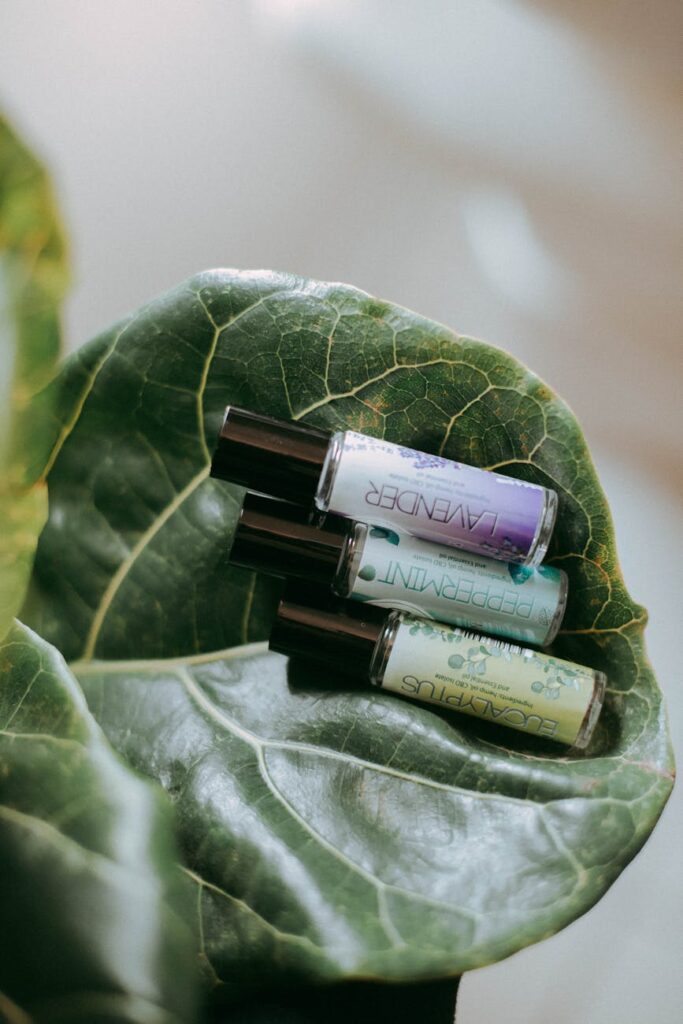
Benefits of Essential Oil Blends for Sleep Quality Improvement
Introduction
In our fast-paced modern lives, the quest for quality sleep has become increasingly essential. A variety of factors, including stress, anxiety, and lifestyle choices, can disrupt our sleep patterns. Many individuals are turning to natural remedies, specifically essential oils and their blends, as an alternative to over-the-counter sleep aids. This article delves into the benefits of essential oil blends for improving sleep quality, highlighting their properties, common uses, and applications in aromatherapy.
What Is Essential Oil Blends for Sleep Quality Improvement?
Essential oil blends are combinations of two or more essential oils that are formulated to enhance specific therapeutic effects. For sleep quality improvement, essential oil blends typically incorporate oils known for their calming, soothing, and sedative properties. By synergizing the characteristics of different oils, these blends aim to create a holistic approach to promoting relaxation and restful sleep.
Key Benefits and Properties
1. Promotes Relaxation
Certain essential oils, such as lavender, chamomile, and bergamot, have been shown to induce relaxation. The calming aroma can help lower stress levels and create a serene environment conducive to sleep.
2. Reduces Anxiety
Essential oil blends containing oils like frankincense and ylang-ylang may help alleviate feelings of anxiety. The inhalation of these scents can trigger the brain to release neurotransmitters that promote a sense of calm.
3. Enhances Mood
Citrus oils, such as sweet orange and lemon, can elevate mood and reduce feelings of fatigue. When included in sleep blends, they can help create a positive atmosphere that encourages restful sleep.
4. Improves Sleep Quality
Studies suggest that certain essential oils can increase the duration of deep sleep. Oils like cedarwood and vetiver are noted for their grounding properties, which can enhance sleep quality and contribute to a more restorative experience.
5. Creates a Calming Environment
Incorporating essential oil blends into your nighttime routine can transform your sleeping space into a haven of tranquility. The olfactory stimulation from these oils can help signal to the brain that it is time to unwind.
Common Uses
Essential oil blends for sleep improvement can be utilized in various ways:
1. Diffusion
Using an essential oil diffuser to disperse the aroma throughout a room is one of the most popular methods. This allows for a continuous release of the scent, creating a calming environment.
2. Topical Application
Diluting essential oils in a carrier oil (such as coconut or jojoba oil) allows for safe topical application. Massaging these blends onto pulse points, such as the wrists or behind the ears, can enhance their relaxing effects.
3. Bath Soaks
Adding a few drops of essential oil blends to a warm bath can create a soothing experience. The warmth of the water combined with the aromatic properties of the oils can help relax the muscles and calm the mind.
4. Pillow Sprays
Creating a pillow spray with essential oils can provide a quick and effective way to enjoy their benefits. Spritzing the blend onto your pillow or bedsheets can promote a tranquil atmosphere conducive to sleep.
5. Inhalation
Simply inhaling the scent directly from the bottle or a cotton ball can yield immediate calming effects. This method is particularly useful for individuals who may not have access to a diffuser.
Aromatherapy Applications
Aromatherapy encompasses a range of techniques that utilize essential oils to promote well-being. Here are some common applications specifically for enhancing sleep quality:
1. Aromatherapy Massage
Combining essential oil blends with a massage can be particularly beneficial. The physical touch coupled with soothing aromas can create a deeply relaxing experience, helping to release tension and stress.
2. Guided Meditation
Incorporating essential oils into a meditation practice can deepen relaxation. By breathing in the calming scents while focusing on the breath, individuals can enhance their mental state, making it easier to transition into sleep.
3. Sleep Rituals
Establishing a pre-sleep ritual that includes the use of essential oil blends can signal to the body that it is time to wind down. This could involve diffusing oils while reading a book or practicing gentle stretches.
4. Yoga and Breathing Exercises
Using essential oils during yoga or breathing exercises can enhance the calming effects of these practices. Integrating specific blends into your routine can enhance mindfulness and relaxation, preparing the mind for sleep.
Safety Considerations
While essential oils are generally considered safe, certain precautions should be observed:
1. Dilution
Many essential oils can be potent and may cause skin irritation if applied directly. Always dilute essential oils in a carrier oil before topical application to minimize potential adverse reactions.
2. Allergies and Sensitivities
Individuals with allergies or sensitivities should conduct a patch test before using new essential oil blends. If any irritation occurs, discontinue use immediately.
3. Pregnancy and Nursing
Pregnant or nursing individuals should consult a healthcare professional before using essential oils, as some oils may not be safe for use during these periods.
4. Children and Pets
Certain essential oils may not be suitable for children or pets. Always research the compatibility of specific oils with these vulnerable groups.
5. Quality of Oils
Investing in high-quality, pure essential oils is crucial. Look for reputable brands that provide information on sourcing and distillation processes to ensure you are using safe and effective products.
Storage and Shelf Life
Proper storage of essential oils is vital to maintain their potency and effectiveness. Here are some best practices:
1. Dark Glass Containers
Store essential oils in dark glass bottles to protect them from light, which can degrade their quality.
2. Cool, Dry Place
Keeping oils in a cool, dry environment away from direct sunlight ensures their longevity. Avoid storing them in areas with significant temperature fluctuations.
3. Shelf Life
While essential oils do not spoil, their potency can diminish over time. Most essential oils have a shelf life of 1 to 3 years, while citrus oils may have a shorter shelf life. Regularly check for changes in scent or consistency.
Frequently Asked Questions
1. Can essential oil blends replace sleep medications?
Essential oil blends are a natural alternative that may help improve sleep quality, but they should not replace prescribed medications without consulting a healthcare professional.
2. How long before bedtime should I use essential oils?
It is generally recommended to use essential oils about 30 minutes to an hour before bedtime to allow their calming effects to take place.
3. Are there specific blends that work best for sleep?
Popular essential oil blends for sleep often include lavender, chamomile, cedarwood, and bergamot. The effectiveness may vary based on individual preferences and responses.
4. Can I use essential oils if I have respiratory issues?
Individuals with respiratory conditions should exercise caution when using essential oils. It is advisable to consult a healthcare professional to determine safe options.
5. How can I find the right blend for me?
Experimenting with different essential oil blends can help you discover what works best for your body and preferences. Keeping a journal of your experiences can assist in identifying the most effective combinations.
Conclusion
Essential oil blends offer a potential natural solution for enhancing sleep quality. By promoting relaxation, reducing anxiety, and creating a calming environment, these blends can play a significant role in establishing healthier sleep patterns. However, it is essential to approach their use with awareness and caution, ensuring safe practices while enjoying the myriad benefits they have to offer. As research and interest in aromatherapy continue to grow, essential oil blends may increasingly become a staple in the quest for better sleep.