
Benefits of Floral Hydrosols for Acne Prevention
Introduction
Acne is a common skin condition that affects millions of individuals worldwide, transcending age, gender, and ethnicity. The quest for effective and gentle treatments has led many to explore natural remedies, including floral hydrosols. These aromatic waters, byproducts of essential oil distillation, are gaining popularity in skincare, particularly for their potential in acne prevention. This article delves into the nature of floral hydrosols, their benefits, uses, and safety considerations, providing a comprehensive overview for those interested in incorporating them into their skincare routines.
What Is Floral Hydrosols for Acne Prevention?
Floral hydrosols, also known as flower waters or hydrolats, are produced during the steam distillation process of plant materials, primarily flowers. Unlike essential oils, which are concentrated extracts, hydrosols contain a much lower concentration of essential oil molecules and retain the water-soluble compounds of the plant. This results in a gentler product that can be used directly on the skin without the dilution required for essential oils.
For acne prevention, floral hydrosols can provide a variety of beneficial properties, including antibacterial, anti-inflammatory, and soothing effects. They can be a valuable addition to a holistic skincare routine aimed at maintaining healthy skin and preventing breakouts.
Key Benefits and Properties
1. Antibacterial Properties: Many floral hydrosols possess natural antibacterial qualities that can help inhibit the growth of acne-causing bacteria. For instance, rose and lavender hydrosols have shown effectiveness against specific strains of bacteria, making them useful in preventing acne flare-ups.
2. Anti-inflammatory Effects: Inflammation is a significant factor in the development of acne. Hydrosols like chamomile and witch hazel are known for their soothing properties, helping to reduce redness and swelling associated with breakouts.
3. Hydration and Balance: Floral hydrosols can provide hydration to the skin without the heaviness of oils. This is particularly beneficial for acne-prone skin, which may be oily yet still require moisture. Hydrosols can help restore balance, keeping the skin hydrated without contributing to excess oil production.
4. pH Balancing: Maintaining the skin’s natural pH is essential for preventing acne. Certain hydrosols can help balance the skin’s pH levels, which can be disrupted by harsh cleansers or environmental factors. This balance is crucial for maintaining healthy skin and preventing breakouts.
5. Astringent Qualities: Some floral hydrosols, such as witch hazel, have natural astringent properties that can help tighten pores and reduce excess oil production, further assisting in acne prevention.
Common Uses
Floral hydrosols can be utilized in various ways to support skin health and prevent acne:
1. Facial Toner: Applying floral hydrosols as a toner can help remove residual impurities after cleansing, while also providing hydration and soothing benefits. This is an excellent step for individuals with acne-prone skin.
2. Mist: A quick spritz of floral hydrosol can refresh the skin throughout the day. This is particularly beneficial in dry climates or during warmer months when the skin may become dehydrated.
3. Compress: Soaking a clean cloth in floral hydrosol and applying it as a compress can help reduce inflammation and soothe irritated skin.
4. Mixing with Other Products: Floral hydrosols can be blended with other skincare products, such as serums or creams, to enhance their benefits and provide additional hydration.
5. Bath Additive: Adding floral hydrosols to a warm bath can create a soothing environment, promoting relaxation while also benefiting the skin.
Aromatherapy Applications
Floral hydrosols can play a significant role in aromatherapy, offering both emotional and physical benefits. The gentle aroma of these hydrosols can help promote relaxation, reduce stress, and improve overall mood. Stress can often exacerbate acne, making the calming effects of floral hydrosols particularly beneficial.
1. Stress Relief: Hydrosols such as lavender and chamomile are renowned for their calming effects, which can help reduce stress-related acne.
2. Air Fresheners: Floral hydrosols can be used as natural air fresheners in homes or offices, contributing to a pleasant atmosphere while also providing skin benefits when inhaled.
3. Meditation Aids: Incorporating floral hydrosols into meditation practices can enhance the experience, promoting a sense of peace and tranquility.
Safety Considerations
While floral hydrosols are generally safe for most skin types, it is essential to consider individual sensitivities and allergies. Here are some safety tips:
1. Patch Test: Always perform a patch test before using a new hydrosol on the face. Apply a small amount to a discreet area of skin and wait for 24 hours to check for any adverse reactions.
2. Quality Matters: Choose high-quality, organic floral hydrosols from reputable sources to ensure that they are free from synthetic additives and contaminants.
3. Avoid Eye Contact: While many hydrosols can be used on the face, it is advisable to avoid contact with the eyes to prevent irritation.
4. Consult a Professional: If you have specific skin conditions or concerns, consider consulting a dermatologist or skincare professional before incorporating new products into your routine.
Storage and Shelf Life
Proper storage of floral hydrosols is crucial to maintain their efficacy and extend their shelf life. Here are some guidelines:
1. Keep Refrigerated: Floral hydrosols should ideally be stored in the refrigerator to prolong their freshness, especially after opening.
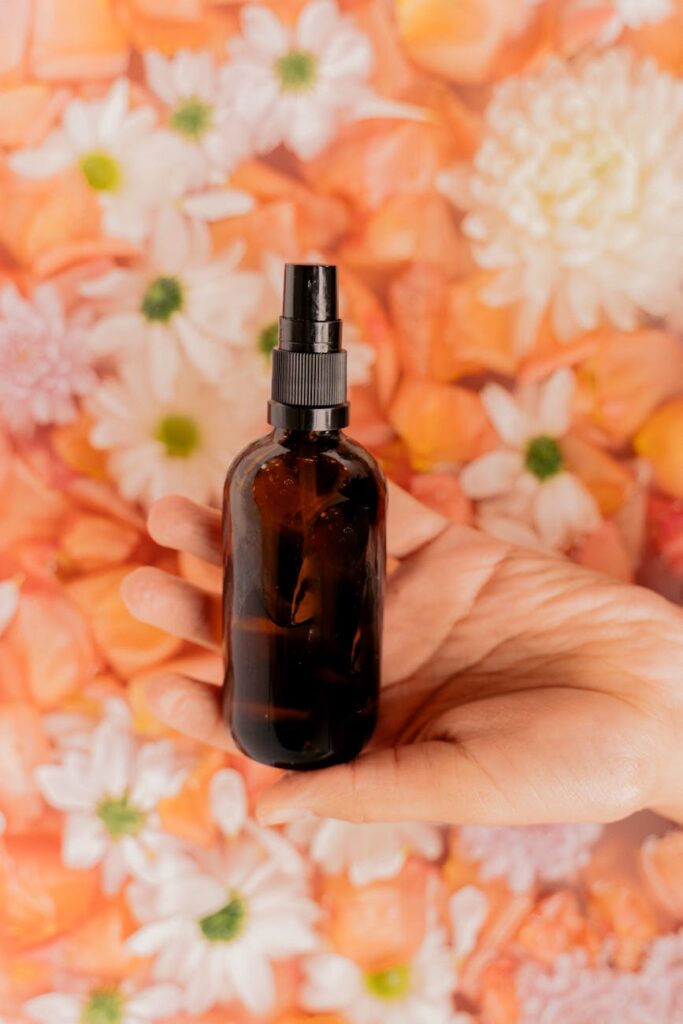
2. Dark Glass Containers: Store hydrosols in dark glass bottles to protect them from light, which can degrade their quality over time.
3. Check for Changes: Regularly inspect your hydrosols for any changes in color, scent, or clarity, which may indicate spoilage. If you notice any unusual changes, it is best to discard the product.
4. Shelf Life: Most floral hydrosols have a shelf life of 6 to 12 months, depending on the specific type and storage conditions. Always refer to the product label for specific guidance.
Frequently Asked Questions
1. Can floral hydrosols be used on all skin types?
Yes, floral hydrosols are generally suitable for all skin types, but individuals with very sensitive skin should perform a patch test first.
2. How often can I use floral hydrosols?
Floral hydrosols can be used daily, either as a toner, mist, or in other applications, depending on personal preference and skin needs.
3. Are floral hydrosols the same as essential oils?
No, floral hydrosols are the water byproducts of essential oil distillation and contain a lower concentration of aromatic compounds, making them milder and safer for direct skin application.
4. Can I mix different floral hydrosols together?
Yes, many individuals enjoy blending different floral hydrosols to create custom formulations that cater to their specific skin concerns.
5. Do floral hydrosols expire?
Yes, floral hydrosols have a limited shelf life and should be used within 6 to 12 months. Proper storage can help extend their freshness.
Conclusion
Floral hydrosols offer a gentle yet effective approach to acne prevention, harnessing the natural properties of plants to promote healthy skin. Their antibacterial, anti-inflammatory, and hydrating benefits make them a valuable addition to any skincare regimen. By understanding the various uses, safety considerations, and proper storage techniques, individuals can fully leverage the advantages of floral hydrosols, contributing to clearer and healthier skin. Whether used alone or in conjunction with other skincare products, floral hydrosols present a natural and holistic alternative for those seeking to prevent acne and maintain skin vitality.