
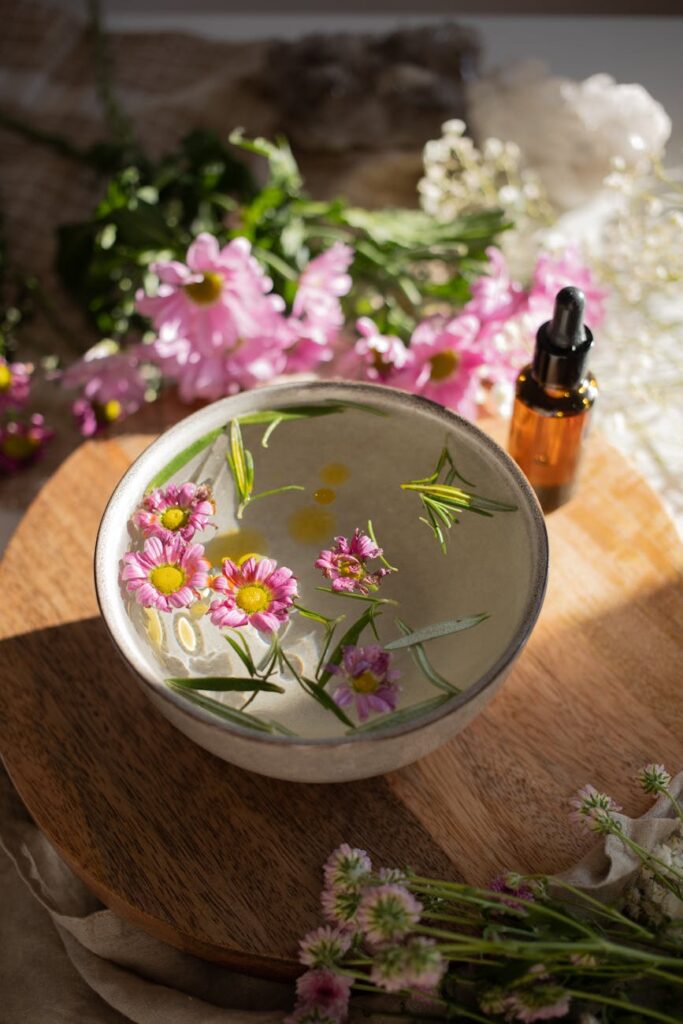
Benefits of Floral Hydrosols for Aging Support
Introduction
As the quest for longevity and youthful vitality continues, many individuals are turning to natural solutions for support. Among these, floral hydrosols have gained recognition for their gentle yet effective properties. Derived from the steam distillation process of plants, hydrosols are aromatic waters that contain the essence of their botanical source. This article explores how floral hydrosols can contribute to aging support, examining their benefits, common uses, and safety considerations.
What Is Floral Hydrosols for Aging Support?
Floral hydrosols, also known as flower waters, are by-products of essential oil production. During the steam distillation of flowers, the steam captures the volatile compounds of the plant, leaving behind an aromatic water infused with beneficial properties. Unlike essential oils, which are highly concentrated and potent, hydrosols are milder and safer for everyday use, making them particularly well-suited for individuals seeking gentle support for aging-related concerns.
While essential oils can be too intense for sensitive skin or respiratory issues, floral hydrosols offer a more approachable alternative, retaining many of the therapeutic qualities of their source plants. Common examples include rose, lavender, chamomile, and geranium hydrosols, each bringing unique characteristics to the table.
Key Benefits and Properties
1. Hydration and Moisture Balance
One of the most notable benefits of floral hydrosols is their ability to hydrate and maintain skin moisture levels. As skin ages, it often becomes drier and less elastic. Hydrosols can be used as a facial mist or toner, providing a refreshing boost of hydration while helping to balance the skin’s natural oils.
2. Anti-Inflammatory Properties
Many floral hydrosols, such as chamomile and lavender, possess anti-inflammatory properties. These can help soothe irritated or inflamed skin, making them beneficial for conditions such as rosacea or eczema, which may become more pronounced as skin ages.
3. Antioxidant Effects
Floral hydrosols contain antioxidants that can help combat oxidative stress, a significant contributor to aging. Antioxidants neutralize free radicals, potentially reducing the appearance of fine lines and wrinkles while promoting a more youthful complexion.
4. Soothing Fragrance
The aromatic qualities of floral hydrosols can also provide emotional and psychological benefits. The calming scents of lavender or rose can reduce stress and anxiety, promoting overall well-being, which is crucial for healthy aging.
5. Skin Regeneration
Certain hydrosols, like rose and geranium, are thought to encourage skin regeneration and healing. They may enhance cell turnover, helping to maintain a smooth and youthful appearance over time.
Common Uses
Floral hydrosols can be incorporated into daily routines in various ways:
1. Facial Mists
A popular use for floral hydrosols is as a facial mist. Simply spray the hydrosol onto the face for an instant refresh. This can be especially beneficial in dry environments or during hot weather.
2. Toners
Hydrosols can serve as natural toners, helping to cleanse the skin and prepare it for moisturizers or serums. They can be applied with a cotton pad or directly onto the skin.
3. Bath Additives
Adding a few drops of floral hydrosols to a warm bath can create a soothing and aromatic experience, promoting relaxation and enhancing the overall bathing ritual.
4. Compresses
For targeted relief, hydrosols can be used to create compresses. Soaking a cloth in the hydrosol and applying it to inflamed or irritated areas can provide immediate soothing effects.
5. Hair Care
Certain floral hydrosols, such as lavender or rose, can also be beneficial for hair health. They can be used as a hair rinse or added to conditioners to promote shine and fragrance.
Aromatherapy Applications
Floral hydrosols can be effectively incorporated into aromatherapy practices. While they are milder than essential oils, their fragrant profiles can still evoke emotional responses and promote relaxation. Here are a few ways to use floral hydrosols in aromatherapy:
1. Diffusion
Although hydrosols cannot be diffused in the same manner as essential oils, they can be sprayed in the air to create a pleasant atmosphere. This can be particularly soothing in a meditation or relaxation space.
2. Personal Inhalers
Hydrosols can be used in personal inhalers for on-the-go aromatherapy. By soaking a cotton wick with the hydrosol, individuals can breathe in the calming scents when needed.
3. Bedtime Rituals
Incorporating floral hydrosols into bedtime routines can promote restful sleep. Spraying a lavender hydrosol on pillows or bedding can create a calming environment conducive to relaxation.
Safety Considerations
Floral hydrosols are generally considered safe for most people, but certain considerations should be kept in mind:
1. Patch Testing
As with any new product, it’s advisable to perform a patch test before using a hydrosol on the skin. Apply a small amount to an inconspicuous area to check for any adverse reactions.
2. Dilution
While hydrosols are milder than essential oils, it is still prudent to dilute them when applying directly to the skin, particularly for individuals with sensitive skin.
3. Pregnancy and Medical Conditions
Individuals who are pregnant or have specific medical conditions should consult with a healthcare professional before using floral hydrosols, especially those known for their hormonal properties, such as geranium.
Storage and Shelf Life
Proper storage is crucial for maintaining the quality of floral hydrosols. Here are some guidelines:
1. Cool, Dark Place
Store hydrosols in a cool, dark location to prevent degradation from light and heat exposure. Dark glass bottles are ideal for protecting the contents.
2. Refrigeration
For extended shelf life, consider refrigerating hydrosols. This can help preserve their aromatic and therapeutic qualities.
3. Shelf Life
Typically, floral hydrosols have a shelf life of 1 to 3 years, depending on the type and storage conditions. Always check for any changes in scent or appearance before use.
Frequently Asked Questions
1. Can I use floral hydrosols on sensitive skin?
Yes, floral hydrosols are generally safe for sensitive skin. However, it’s always wise to conduct a patch test first.
2. How do I choose the right floral hydrosol?
Selecting a hydrosol depends on your specific needs. For hydration, rose or chamomile are excellent choices. For calming effects, lavender is preferred.
3. Can I mix different floral hydrosols?
Yes, many individuals enjoy blending hydrosols to create personalized aromatic experiences. Ensure that the combined scents are harmonious.
4. Are floral hydrosols the same as essential oils?
No, floral hydrosols are much milder than essential oils and are safe for direct application to the skin without the need for dilution.
5. Can I ingest floral hydrosols?
While some hydrosols are safe for culinary use, it is essential to verify their suitability for ingestion and consult with a knowledgeable source before doing so.
Conclusion
Floral hydrosols offer a gentle and versatile approach to aging support. With their hydrating, anti-inflammatory, and antioxidant properties, these aromatic waters can enhance skin health and promote emotional well-being. As part of a holistic self-care routine, floral hydrosols can contribute to a more graceful and vibrant aging process. By understanding their benefits, uses, and safety considerations, individuals can make informed choices to incorporate these delightful botanicals into their lives.