
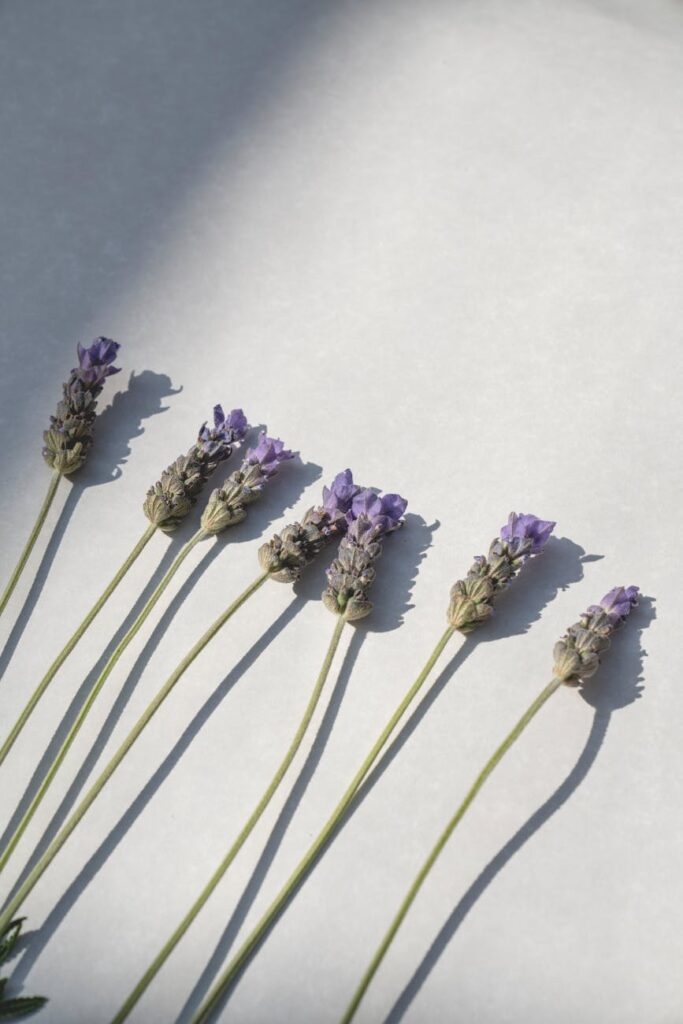
Benefits of Floral Hydrosols for Antimicrobial Support
Introduction
Floral hydrosols, often referred to as flower waters, are by-products of the steam distillation process used to extract essential oils from plants. While essential oils are concentrated and potent, hydrosols retain a gentle, more diluted essence of the plant’s properties, making them suitable for a variety of applications, including skincare, cleaning, and aromatherapy. This article explores the antimicrobial benefits of floral hydrosols, highlighting their key properties, common uses, and safety considerations.
What Are Floral Hydrosols for Antimicrobial Support?
Floral hydrosols are aqueous solutions that contain the water-soluble compounds of plants, which are left behind after the distillation of essential oils. These compounds include a variety of phytochemicals, such as flavonoids, phenolic acids, and terpenes, that possess beneficial properties, including antimicrobial effects. While hydrosols are milder than essential oils, they can still contribute to health and wellness through their natural antimicrobial attributes.
The antimicrobial support offered by floral hydrosols makes them valuable in various settings, from personal care to household cleaning products. They can help inhibit the growth of bacteria, fungi, and viruses, making them an excellent choice for those seeking natural alternatives to synthetic antimicrobial agents.
Key Benefits and Properties
1. Antimicrobial Activity
Research suggests that many floral hydrosols possess inherent antimicrobial properties that can combat a variety of pathogens. For example, rose, lavender, and chamomile hydrosols have been studied for their effectiveness against specific strains of bacteria and fungi. These natural agents can be beneficial in reducing the risk of infections and promoting overall skin health.
2. Gentle on Skin
Due to their diluted nature, floral hydrosols are generally safe for topical application, even on sensitive skin. They provide hydration while delivering antimicrobial benefits without the irritation that can sometimes accompany essential oils. This property makes them popular in skincare formulations, especially for individuals with reactive skin.
3. Natural Preservation
Floral hydrosols can serve as natural preservatives in cosmetic formulations. Their antimicrobial properties can help prevent the growth of harmful microorganisms in products, thereby extending their shelf life. This feature aligns with the growing trend toward natural and organic skincare products.
4. Aromatic Benefits
The pleasant scent of floral hydrosols can enhance mood and promote relaxation, contributing to overall well-being. The aromatic compounds in the hydrosols can have a calming effect, making them suitable for use in stress relief and emotional support.
Common Uses
1. Skincare
Floral hydrosols can be incorporated into skincare routines as toners, facial mists, or soothing compresses. Their antimicrobial properties can help maintain skin balance and prevent breakouts, making them an excellent choice for acne-prone skin.
2. Household Cleaning
Hydrosols can be utilized in homemade cleaning solutions due to their antimicrobial qualities. They can be added to sprays or wipes used for disinfecting surfaces, providing an effective yet gentle alternative to chemical cleaners.
3. Culinary Applications
Certain floral hydrosols, such as rose and orange blossom, can also be used in culinary applications. They can add flavor to dishes or beverages while potentially offering antimicrobial benefits.
4. Bathing
Adding hydrosols to bathwater can create a calming and therapeutic experience. The gentle aroma and antimicrobial properties can enhance relaxation while promoting skin health.
Aromatherapy Applications
Floral hydrosols can be used in aromatherapy practices, either alone or blended with essential oils. They can be diffused in the air, used in massage oils, or employed in foot baths to promote relaxation and well-being. Their mild nature makes them suitable for use in various settings, including homes, spas, and wellness centers.
1. Diffusion
When diffused, floral hydrosols release their aromatic compounds into the air, creating an inviting atmosphere. This can help in reducing stress and anxiety while providing a fresh and pleasant scent.
2. Massage
Combining floral hydrosols with carrier oils for massage can enhance the therapeutic effects of the treatment. The hydrosols add a subtle fragrance and provide skin benefits, while the carrier oil nourishes the skin.
3. Foot Baths
Soaking feet in warm water with added floral hydrosols can create a relaxing experience. This practice can be especially soothing after a long day and can contribute to foot hygiene.
Safety Considerations
Although floral hydrosols are generally considered safe for most individuals, it is essential to use them with caution. Here are some safety considerations:
1. Patch Testing
Before applying a new hydrosol to the skin, it is advisable to perform a patch test. This involves applying a small amount to a discreet area of skin to check for any adverse reactions.
2. Allergies
Individuals with known allergies to specific flowers should exercise caution and avoid hydrosols derived from those plants. Always read labels to ensure that the product does not contain allergens.
3. Quality and Purity
When selecting floral hydrosols, it is important to choose high-quality products from reputable sources. Look for hydrosols that are certified organic or free from synthetic additives to ensure purity and effectiveness.
4. Usage Guidelines
Follow the recommended usage guidelines provided by the manufacturer. While hydrosols are generally safe, using them in excessive amounts may lead to skin irritation or other unwanted effects.
Storage and Shelf Life
Proper storage of floral hydrosols is crucial to maintain their quality and efficacy. Here are some tips for storing hydrosols:
1. Cool, Dark Environment
Store hydrosols in a cool, dark place away from direct sunlight. Exposure to light and heat can degrade the quality and effectiveness of the product.
2. Airtight Containers
Keep hydrosols in airtight containers to prevent contamination and oxidation. Glass bottles with spray tops or droppers are ideal for preserving their properties.
3. Shelf Life
Floral hydrosols generally have a shelf life of six months to two years, depending on the specific type and storage conditions. Always check for any changes in color, scent, or consistency before use, and discard any hydrosol that shows signs of spoilage.
Frequently Asked Questions
1. Can I use floral hydrosols daily?
Yes, floral hydrosols can be used daily as part of your skincare or wellness routine. They are gentle and safe for most individuals.
2. Are floral hydrosols safe for children?
Many floral hydrosols are safe for children, but it is advisable to consult with a healthcare professional or aromatherapy expert before use, especially for younger children.
3. How do I incorporate floral hydrosols into my skincare routine?
Floral hydrosols can be used as toners, facial mists, or added to creams and lotions for enhanced benefits. Simply spray onto clean skin or mix with your favorite products.
4. Can I use floral hydrosols in cooking?
Yes, certain floral hydrosols, like rose and orange blossom, can be used in cooking to add flavor to dishes and desserts. Ensure that the hydrosol is food-grade and suitable for culinary use.
Conclusion
Floral hydrosols are versatile and beneficial additions to various aspects of wellness and personal care. Their antimicrobial properties offer natural support for skin health, household cleaning, and aromatherapy, making them a valuable resource for those seeking gentle yet effective alternatives. With proper storage and usage, floral hydrosols can enhance both physical and emotional well-being, contributing to a holistic approach to health.