
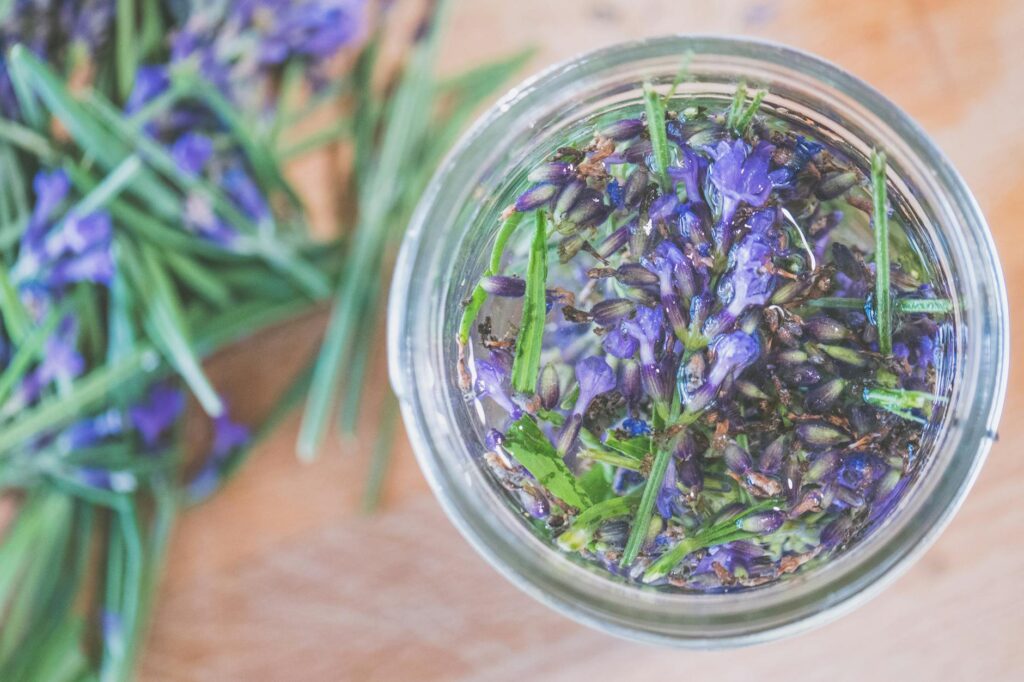
Benefits of Floral Hydrosols for Digestive Support
Introduction
Floral hydrosols, often referred to as flower waters, are aromatic by-products obtained during the steam distillation of essential oils. Unlike their concentrated counterparts, hydrosols contain a myriad of beneficial compounds, including water-soluble phytochemicals, making them a gentler and versatile option for various applications. One area where floral hydrosols have gained attention is in digestive support. This article will explore the properties, benefits, and applications of floral hydrosols in promoting digestive health.
What Are Floral Hydrosols for Digestive Support?
Floral hydrosols are produced when plant materials, typically flowers, leaves, or stems, are distilled with water. The steam captures the volatile compounds, and upon condensation, the result is a fragrant liquid rich in essential oils and water-soluble components. Unlike essential oils, which are highly concentrated and potent, floral hydrosols are milder and safer for a broader range of applications, including ingestion, topical use, and aromatherapy.
For digestive support, specific floral hydrosols are particularly beneficial. Common examples include chamomile, rose, and lavender hydrosols. Each variety offers unique properties that can help soothe and support the digestive system.
Key Benefits and Properties
1. Soothing Properties
Many floral hydrosols possess anti-inflammatory and calming properties. For instance, chamomile hydrosol is renowned for its ability to alleviate discomfort and promote relaxation, making it a valuable ally for those experiencing digestive distress or discomfort.
2. Digestive Aid
Certain floral hydrosols may stimulate digestive function. Rose hydrosol, for instance, is often associated with enhancing digestion and promoting overall gastrointestinal health. Its gentle nature allows for its use in various forms, including ingestion or as a flavoring agent in beverages.
3. Antioxidant Compounds
Floral hydrosols are rich in antioxidants, which can help combat oxidative stress in the body. The presence of these compounds supports overall health and can contribute to a well-functioning digestive system.
4. Hydration Support
Staying hydrated is crucial for proper digestive function. Floral hydrosols can be consumed as a refreshing beverage or used in culinary applications, providing hydration along with their beneficial properties.
5. Stress Relief
Many digestive issues are exacerbated by stress. Floral hydrosols, such as lavender, are recognized for their calming effects on the nervous system. By promoting relaxation, they can indirectly support digestive health.
Common Uses
Floral hydrosols can be utilized in various ways to support digestive health:
1. Ingestion
Many hydrosols, particularly chamomile and rose, can be consumed diluted in water or added to herbal teas. This method allows for the direct benefits of the hydrosols to be absorbed by the body.
2. Culinary Applications
Floral hydrosols can be incorporated into cooking and baking, adding unique flavors and potential health benefits to dishes. They can be used in salad dressings, marinades, or desserts, enhancing both taste and digestive support.
3. Topical Applications
Hydrosols can be applied topically as part of a skincare routine. While this doesn’t directly influence digestion, soothing skin can have an overall calming effect, which may alleviate stress-related digestive issues.
4. Aromatic Mist
Using floral hydrosols as an aromatic mist can create a calming atmosphere. This practice not only refreshes the air but can also provide psychological benefits that support digestive health.
Aromatherapy Applications
In aromatherapy, floral hydrosols serve as a gentle alternative to essential oils. They can be utilized in various applications to promote digestive well-being:
1. Diffusion
Floral hydrosols can be diffused in a room to create an environment that encourages relaxation. The aroma can help mitigate stress, which is often linked to digestive discomfort.
2. Bath Soaks
Adding floral hydrosols to bathwater can enhance the experience. The soothing properties of chamomile or lavender hydrosols can promote relaxation, indirectly benefiting digestive health.
3. Inhalation
Inhaling the aroma of floral hydrosols can provide immediate psychological benefits. A few sprays of rose or lavender hydrosol in the air can create a calming atmosphere conducive to relaxation.
4. Meditation and Mindfulness
Incorporating floral hydrosols into meditation practices enhances the sensory experience. The calming scents can help ground the mind, making it easier to focus and alleviate stress, supporting overall digestive function.
Safety Considerations
While floral hydrosols are generally considered safe, it is essential to keep the following safety considerations in mind:
1. Quality of Hydrosols
Always choose high-quality, organic floral hydrosols from reputable sources. Contaminants or synthetic additives can compromise their benefits and safety.
2. Dilution
When ingesting floral hydrosols, dilution is advisable. A common recommendation is to mix one to two tablespoons of hydrosol in a glass of water. Always consult product labels for specific guidance.
3. Allergies and Sensitivities
Individuals with allergies to specific plants should exercise caution when using floral hydrosols derived from those plants. Conducting a patch test before topical application is also recommended.
4. Pregnant and Nursing Individuals
Pregnant or nursing individuals should consult a healthcare professional before using floral hydrosols, as some may not be suitable during these stages.
Storage and Shelf Life
To maintain the potency and quality of floral hydrosols, proper storage is crucial:
1. Cool, Dark Place
Store hydrosols in a cool, dark place away from direct sunlight. This helps preserve their beneficial properties and extends shelf life.
2. Sealed Containers
Keep hydrosols in tightly sealed containers to prevent contamination and evaporation. Glass bottles are preferable for storage.
3. Shelf Life
Typically, floral hydrosols have a shelf life of 1 to 3 years, depending on the type and storage conditions. Always check for any changes in color, smell, or texture before use.
Frequently Asked Questions
1. Can floral hydrosols be ingested?
Yes, many floral hydrosols can be ingested, but it is essential to dilute them in water or other beverages and consult product guidelines.
2. Are floral hydrosols safe for children?
Generally, floral hydrosols are considered safe for children. However, it is advisable to consult a healthcare professional, especially for younger children or those with allergies.
3. How do I choose the right floral hydrosol for digestive support?
Selecting a hydrosol depends on personal preferences and specific needs. Chamomile, rose, and lavender hydrosols are popular choices for digestive support.
4. Can I use floral hydrosols in cooking?
Yes, many floral hydrosols can be used in culinary applications, adding unique flavors and potential health benefits to dishes.
5. How can I incorporate floral hydrosols into my daily routine?
Hydrosols can be ingested, used in cooking, applied topically, or utilized in aromatherapy practices, making them versatile additions to a daily routine.
Conclusion
Floral hydrosols offer a gentle and versatile approach to supporting digestive health. Their soothing properties, culinary applications, and aromatic benefits make them a valuable addition to wellness practices. As with any natural remedy, it is essential to use floral hydrosols mindfully and consult relevant guidelines to maximize their benefits while ensuring safety. Whether you are seeking a calming beverage, a stress-relieving aromatic mist, or a flavorful culinary ingredient, floral hydrosols can be an enchanting and beneficial choice for digestive support.