
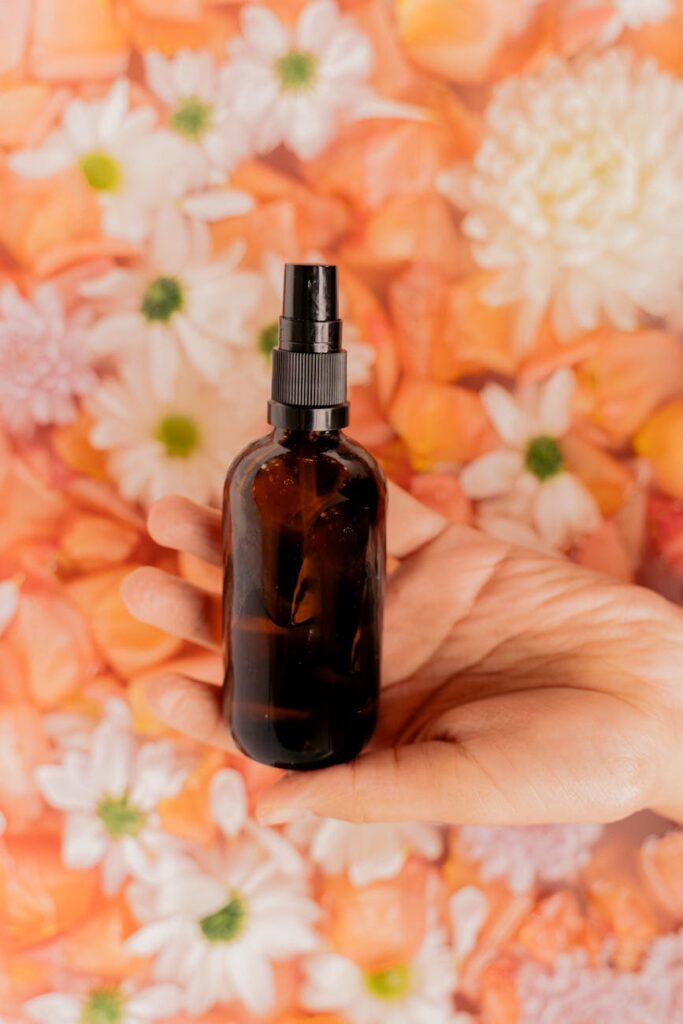
Benefits of Floral Hydrosols for Immune System Support
Introduction
In recent years, the interest in natural remedies and holistic wellness has surged, and floral hydrosols have emerged as a popular choice for those seeking gentle yet effective support for their immune systems. Derived during the steam distillation process of essential oils, floral hydrosols are aromatic waters that retain many of the beneficial properties of the plant from which they are derived. This article explores the nature of floral hydrosols, their benefits, common uses, and considerations for safe application.
What Are Floral Hydrosols for Immune System Support?
Floral hydrosols, also known as hydrolats or flower waters, are the byproducts of essential oil distillation. When plant material is steamed, essential oils are extracted, and the remaining aqueous solution becomes the hydrosol. Unlike essential oils, which are highly concentrated, hydrosols are gentle and versatile, making them suitable for a variety of applications, including skin care, culinary uses, and aromatherapy.
When discussing immune system support, it is essential to understand that floral hydrosols can complement a healthy lifestyle. While they are not a substitute for conventional medical treatment, they may offer supportive properties that can enhance overall well-being.
Key Benefits and Properties
Floral hydrosols possess a range of properties that can be beneficial for immune system support. Here are some key attributes:
1. Antimicrobial Properties
Many floral hydrosols, such as lavender and rose, exhibit antimicrobial qualities. These properties can help combat pathogens that may compromise the immune system and promote general health.
2. Anti-inflammatory Effects
Certain hydrosols have been noted for their anti-inflammatory effects. For instance, chamomile hydrosol can soothe irritated tissues, potentially aiding in overall immune function by reducing inflammation in the body.
3. Calming and Stress-Relief
Stress can significantly impact immune health. Floral hydrosols like neroli and geranium promote relaxation and emotional balance, which may indirectly support the immune system by reducing stress levels.
4. Hydration and Nourishment
Floral hydrosols are naturally hydrating. Using them as facial mists or in skin care can help maintain moisture levels, which is important for skin health—the body’s first line of defense against pathogens.
5. Support for Respiratory Health
Some floral hydrosols, such as eucalyptus and peppermint, are known for their potential to support respiratory health. Their refreshing scents can help clear the airways, which may be beneficial during cold seasons.
Common Uses
Floral hydrosols can be incorporated into daily routines in various ways, making them accessible for diverse lifestyles. Here are some common applications:
1. Facial Mists
As refreshing facial mists, floral hydrosols can hydrate the skin and provide aromatic benefits. They can be used throughout the day for a quick pick-me-up.
2. Bath Additive
Adding a few tablespoons of floral hydrosol to a warm bath can create a soothing experience. It can enhance relaxation while allowing the properties of the hydrosol to be absorbed through the skin.
3. Culinary Uses
Certain hydrosols, such as rose and orange blossom, can be used in culinary dishes and beverages, providing unique flavors and potential health benefits.
4. Inhalation
Inhalation of floral hydrosols can be achieved by adding them to a bowl of hot water. This can create a steam inhalation experience, supporting respiratory wellness.
5. Household Cleaning
Some floral hydrosols have antibacterial properties and can be used to make natural cleaning solutions for household surfaces.
Aromatherapy Applications
In aromatherapy, floral hydrosols can play a crucial role in enhancing emotional well-being and supporting relaxation. They can be used in the following ways:
1. Diffusion
Using a diffuser, floral hydrosols can be dispersed into the air, creating a pleasant atmosphere while also providing aromatherapeutic benefits.
2. Massage
Diluting floral hydrosols in a carrier oil may enhance the benefits of massage, offering calming effects and promoting relaxation.
3. Room Sprays
Creating a room spray with floral hydrosols can refresh your living space while promoting a sense of tranquility and well-being.
4. Meditation Aid
Using floral hydrosols during meditation can enhance the experience by creating a serene environment, making it easier to focus and relax.
Safety Considerations
While floral hydrosols are generally safe for use, it is essential to take certain precautions:
1. Patch Test
Before applying a hydrosol topically, conduct a patch test on a small area of skin to check for any allergic reactions or sensitivities.
2. Quality Matters
Opt for high-quality, organic floral hydrosols that are free from synthetic additives and preservatives. This ensures that you benefit from the full potential of the hydrosol.
3. Consultation
If you are pregnant, nursing, or have underlying health conditions, consult with a healthcare professional before using floral hydrosols to ensure they are appropriate for your situation.
Storage and Shelf Life
Proper storage of floral hydrosols is crucial to maintain their efficacy. Here are some tips:
1. Cool, Dark Place
Store hydrosols in a cool, dark environment away from direct sunlight to preserve their properties.
2. Use Dark Glass Bottles
If possible, choose dark glass bottles for storage, as they help protect the contents from light and degradation.
3. Refrigeration
Some floral hydrosols may benefit from refrigeration, extending their shelf life and enhancing their cooling properties.
4. Shelf Life
Typically, floral hydrosols have a shelf life of six months to two years, depending on the type and storage conditions. Always check for any changes in smell, color, or clarity before use.
Frequently Asked Questions
1. Can I use floral hydrosols on my skin?
Yes, floral hydrosols are generally safe for topical use. However, it is advisable to perform a patch test first to ensure you do not have any adverse reactions.
2. Are floral hydrosols the same as essential oils?
No, floral hydrosols are different from essential oils. They are less concentrated and gentler, making them suitable for a wider range of applications, especially for those with sensitive skin.
3. How should I incorporate floral hydrosols into my routine?
Floral hydrosols can be used in various ways, including as facial mists, in baths, or as part of aromatherapy practices. Explore different applications to find what works best for you.
4. Can children use floral hydrosols?
Many floral hydrosols are safe for children, but it is always recommended to consult a healthcare professional for specific guidance regarding age-appropriate use.
5. How do I choose the right floral hydrosol?
Select hydrosols based on your needs and preferences. Research the properties of different hydrosols to find those that align with your desired benefits.
Conclusion
Floral hydrosols offer a unique and gentle approach to supporting the immune system and overall well-being. Their versatility and range of benefits make them a valuable addition to holistic health practices. By understanding their properties and applications, you can incorporate floral hydrosols into your daily routine, enriching your life with the soothing essence of nature. Always remember to approach their use with mindfulness and care to fully enjoy their potential.