
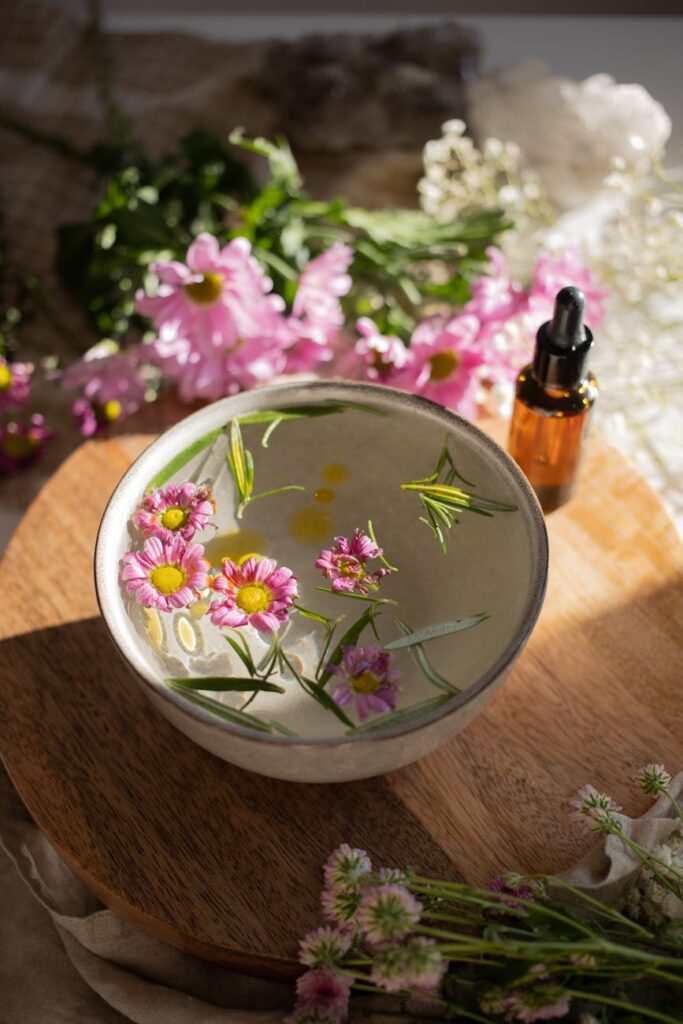
Benefits of Floral Hydrosols for Mood Enhancement
Introduction
In the realm of natural remedies and holistic wellness, floral hydrosols have gained increasing attention for their therapeutic properties. These aromatic waters, often called hydrolats, are produced during the steam distillation of essential oils. While essential oils are concentrated extracts, hydrosols present a gentler alternative that retains many of the beneficial properties of the plants from which they are derived. This article explores the role of floral hydrosols in mood enhancement, examining their benefits, common applications, and safety considerations.
What Are Floral Hydrosols for Mood Enhancement?
Floral hydrosols are aqueous solutions formed during the distillation process of plant materials, primarily flowers. Unlike essential oils, which consist of volatile compounds, hydrosols contain water-soluble components, making them milder and suitable for a variety of applications. Each hydrosol carries the unique essence and properties of its plant source, making them valuable in aromatherapy and holistic wellness practices.
Hydrosols have been traditionally used in various cultures for their aromatic and therapeutic qualities. They can evoke emotional responses, create calming environments, and enhance mental well-being, making them particularly beneficial for mood enhancement.
Key Benefits and Properties
1. Gentle Aromatic Experience: Floral hydrosols offer a softer fragrance compared to essential oils, making them more accessible for individuals sensitive to strong scents. Their gentle aroma can create a soothing atmosphere conducive to relaxation and emotional balance.
2. Emotional Support: Many floral hydrosols, such as rose and lavender, are known for their calming properties. They can help to alleviate feelings of stress and anxiety, promoting emotional well-being and stability.
3. Hydration and Skin Care: Floral hydrosols can be used topically, providing hydration and nourishment to the skin. This can enhance self-care routines, contributing to improved mood through the psychological benefits of skincare.
4. Balance and Harmony: Certain hydrosols are thought to promote feelings of balance and harmony. For instance, chamomile hydrosol is often used for its calming effects, helping to restore emotional equilibrium.
5. Enhancement of Meditation and Mindfulness: The subtle scents of floral hydrosols can enhance meditation practices, helping individuals to focus and center themselves. This can lead to a greater sense of peace and emotional clarity.
Common Uses
Floral hydrosols can be utilized in a variety of ways to enhance mood and well-being:
1. Room Sprays: Hydrosols can be used as natural room sprays to freshen the air and create a calming environment. Simply fill a spray bottle with hydrosol and use it in living spaces, offices, or during meditation.
2. Facial Mists: Many individuals incorporate floral hydrosols into their skincare routines. A facial mist can provide hydration while simultaneously uplifting the mood through the aromatic experience.
3. Bath Additives: Adding floral hydrosols to bathwater can enhance relaxation and create a soothing atmosphere. This practice can be particularly beneficial after a long day or during moments of stress.
4. Compresses: Soaking a cloth in diluted hydrosol and applying it as a compress can offer localized benefits, such as relaxation during stressful moments or relief from tension headaches.
5. Culinary Uses: Some floral hydrosols can be used in culinary applications, such as flavoring desserts or beverages. This not only adds a unique taste but also a sensory experience that can uplift mood.
Aromatherapy Applications
In aromatherapy, floral hydrosols can be utilized in various ways to enhance emotional well-being:
1. Diffusion: While essential oils are commonly used in diffusers, floral hydrosols can also be added to water in diffusers to create a gentle aromatic experience. This allows for the therapeutic benefits of the hydrosol to permeate the air and influence the environment positively.
2. Inhalation: Direct inhalation of floral hydrosols can provide immediate emotional relief. Spritzing a small amount on a handkerchief or in the air and taking deep breaths can promote feelings of calm.
3. Blending with Essential Oils: Floral hydrosols can be combined with essential oils to create synergetic blends. The hydrosol can act as a carrier, enhancing the overall aromatic experience and therapeutic effects.
4. Massage Oils: When mixed with a carrier oil, floral hydrosols can be incorporated into massage practices, promoting relaxation and mood enhancement through both touch and scent.
Safety Considerations
While floral hydrosols are generally considered safe for most individuals, there are some essential safety considerations to keep in mind:
1. Allergies and Sensitivities: Individuals with allergies to specific plants should exercise caution when using floral hydrosols derived from those plants. A patch test on a small area of skin is recommended before broader use.
2. Dilution: Although hydrosols are milder than essential oils, they should still be used appropriately. When applying topically, especially for sensitive skin, dilution with water or a carrier oil is advisable.
3. Pregnancy and Nursing: Pregnant or nursing individuals should consult a healthcare professional before using floral hydrosols to ensure safety.
4. Quality and Sourcing: It is important to source high-quality, organic floral hydrosols to avoid exposure to pesticides or harmful additives. Look for products that specify their purity and production methods.
Storage and Shelf Life
Proper storage of floral hydrosols is crucial to maintain their quality and effectiveness. Here are some guidelines:
1. Cool, Dark Places: Store hydrosols in cool, dark locations away from direct sunlight and heat. This will help preserve their aromatic properties and extend shelf life.
2. Sealed Containers: Keep hydrosols in tightly sealed containers to minimize exposure to air, which can lead to degradation.
3. Shelf Life: Floral hydrosols typically have a shelf life of 1 to 3 years, depending on the type and storage conditions. Always check for changes in scent or appearance before use, as these can indicate spoilage.
Frequently Asked Questions
What is the difference between floral hydrosols and essential oils?
Floral hydrosols are the water-based byproducts of essential oil distillation, containing water-soluble compounds, while essential oils are concentrated extracts of volatile compounds. Hydrosols are gentler and can be used more liberally.
Can I use floral hydrosols on my skin?
Yes, floral hydrosols can be safely used on the skin. They can act as facial mists, toners, or compresses, but always perform a patch test first to ensure there is no allergic reaction.
How do I choose the right floral hydrosol for mood enhancement?
Select a floral hydrosol based on its aromatic properties and your personal preferences. Popular options for mood enhancement include rose, lavender, chamomile, and geranium.
Are there any side effects associated with floral hydrosols?
While generally safe, some individuals may experience allergic reactions or sensitivities. It is important to conduct a patch test and consult with a healthcare professional if there are concerns.
Can I ingest floral hydrosols?
Some floral hydrosols are safe for culinary use, but it is essential to ensure they are food-grade and sourced from reputable suppliers. Always check labels and consult with a knowledgeable practitioner before ingestion.
Conclusion
Floral hydrosols offer a gentle and versatile approach to mood enhancement, bringing the benefits of plant-based aromatherapy into everyday life. Their calming properties, ease of use, and ability to promote emotional well-being make them valuable tools in holistic wellness practices. By understanding their benefits, common applications, and safety considerations, individuals can effectively incorporate floral hydrosols into their routines, enhancing their mental and emotional health naturally.