
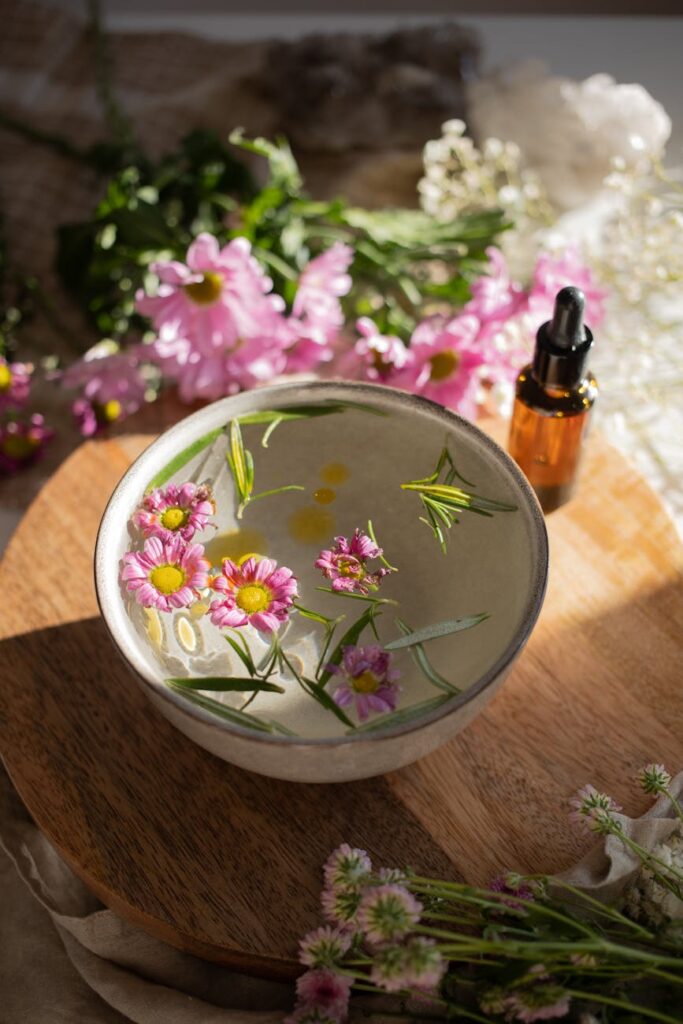
Benefits of Floral Hydrosols for Mood Stabilization
Introduction
In the realm of holistic wellness, floral hydrosols have gained recognition as a gentle yet effective tool for enhancing emotional well-being. Derived from the steam distillation of plants, these aromatic waters encapsulate the essence of flowers, offering a unique blend of therapeutic benefits. This article delves into the role of floral hydrosols in mood stabilization, exploring their properties, applications, and how they can be integrated into daily life.
What Are Floral Hydrosols for Mood Stabilization?
Floral hydrosols, also known as flower waters, are the byproducts of essential oil extraction through steam distillation. Unlike essential oils, which are concentrated and potent, hydrosols are milder and retain the water-soluble components of the plant. This makes them suitable for a variety of uses, including skincare, culinary applications, and particularly, emotional wellness.
Mood stabilization refers to the process of achieving emotional balance and reducing fluctuations in mood. While many factors can contribute to mood disorders, floral hydrosols offer a natural way to support emotional health. Their gentle aroma and therapeutic properties can have a calming effect on the mind and body, making them a popular choice in aromatherapy.
Key Benefits and Properties
Floral hydrosols possess a myriad of benefits that can contribute to mood stabilization:
1. Calming Properties
Many floral hydrosols, such as lavender and chamomile, are renowned for their calming effects. Their soothing scents can help reduce anxiety and promote relaxation, making them ideal for individuals experiencing stress or emotional turmoil.
2. Emotional Support
Floral hydrosols can evoke positive emotional responses. For example, rose hydrosol is often associated with feelings of love and compassion, while ylang-ylang may enhance feelings of joy and self-acceptance. This emotional support can aid in stabilizing mood swings.
3. Stress Reduction
The act of inhaling floral scents triggers the olfactory system, which is closely linked to the limbic system—the part of the brain that governs emotions. This connection can lead to reduced levels of stress hormones and an overall sense of well-being.
4. Enhancement of Mindfulness
Using floral hydrosols in rituals or self-care practices can enhance mindfulness. By incorporating these aromatic waters into daily routines, individuals can create a calming environment that encourages reflection and emotional awareness.
5. Anti-inflammatory Effects
Some floral hydrosols possess anti-inflammatory properties, which can indirectly support mood stabilization. Inflammation has been linked to mood disorders, and reducing it may lead to improved emotional health.
Common Uses
Floral hydrosols can be utilized in various ways to enhance mood stabilization:
1. Facial Mists
Using floral hydrosols as facial mists can provide instant refreshment and a boost of positivity. Spritzing rose or lavender hydrosol onto the face can uplift the spirits and promote a sense of calm.
2. Bath Additives
Adding floral hydrosols to bathwater can create a serene atmosphere. The combination of warm water and aromatic properties can enhance relaxation and provide an immersive sensory experience.
3. Room Sprays
Creating a room spray with floral hydrosols can help transform the ambiance of a space. A few sprays of chamomile or geranium hydrosol can create a soothing environment conducive to relaxation and emotional balance.
4. Inhalation
For immediate mood stabilization, inhaling floral hydrosols can be effective. A simple method is to place a few drops on a cotton ball and breathe in deeply, allowing the aroma to evoke calming sensations.
Aromatherapy Applications
In the field of aromatherapy, floral hydrosols are often used in conjunction with essential oils to enhance their effects. Here are some common applications:
1. Diffusion
Combining floral hydrosols with essential oils in a diffuser can create a harmonizing blend. For example, mixing lavender hydrosol with a few drops of bergamot essential oil can enhance relaxation while uplifting the mood.
2. Massage
Diluting floral hydrosols in carrier oils can create soothing massage oils. Incorporating chamomile or rose hydrosol into a massage blend can provide both physical and emotional benefits.
3. Meditation Aid
Using floral hydrosols during meditation can deepen the practice. Spritzing a calming hydrosol in the air or on the body can help create a serene environment, enhancing focus and emotional clarity.
Safety Considerations
While floral hydrosols are generally safe for most individuals, it is essential to consider a few safety guidelines:
1. Patch Testing
Before using a new hydrosol, it is advisable to conduct a patch test. Applying a small amount to the skin can help determine if any allergic reactions occur.
2. Consultation
Individuals with specific health conditions or sensitivities should consult with a healthcare professional before incorporating floral hydrosols into their routines, especially if they are pregnant or breastfeeding.
3. Avoiding Eyes and Mucous Membranes
Floral hydrosols are designed for external use and should be kept away from the eyes and mucous membranes to avoid irritation.
Storage and Shelf Life
Proper storage of floral hydrosols is crucial for maintaining their quality and efficacy:
1. Cool, Dark Place
Hydrosols should be stored in a cool, dark place, away from direct sunlight and heat sources. This helps prevent degradation and extends their shelf life.
2. Sealed Containers
Using airtight containers, preferably glass, can help maintain the integrity of the hydrosol. Plastic containers may leach chemicals over time, so glass is preferable.
3. Shelf Life
The shelf life of floral hydrosols can vary, but they generally last between 1 to 3 years. Regularly checking for changes in color, scent, or clarity can help determine their freshness.
Frequently Asked Questions
1. Are floral hydrosols safe for children?
Yes, floral hydrosols are generally safe for children when used appropriately. However, it is advisable to consult with a healthcare professional before introducing them to young children.
2. Can floral hydrosols be ingested?
Most floral hydrosols are not intended for ingestion. They are primarily designed for external use, and it is essential to follow specific guidelines regarding their use.
3. How do I choose the right hydrosol for mood stabilization?
Selecting a hydrosol depends on personal preferences and emotional needs. Researching the properties of various floral hydrosols can help determine which ones resonate with you.
4. Can I use floral hydrosols in skincare?
Yes, floral hydrosols can be beneficial in skincare. They can act as toners, soothing agents, and hydrators, enhancing the overall health of the skin.
5. How often can I use floral hydrosols?
Floral hydrosols can be used daily as part of a wellness routine. Incorporating them into various practices, such as facial mists or room sprays, can enhance their benefits.
Conclusion
Floral hydrosols offer a gentle, aromatic approach to mood stabilization, presenting an array of benefits that can enhance emotional well-being. Their calming properties, emotional support, and versatile applications make them a valuable addition to holistic wellness practices. By understanding their uses, safety considerations, and proper storage methods, individuals can effectively incorporate floral hydrosols into their daily routines, fostering an environment conducive to emotional balance and self-care.