
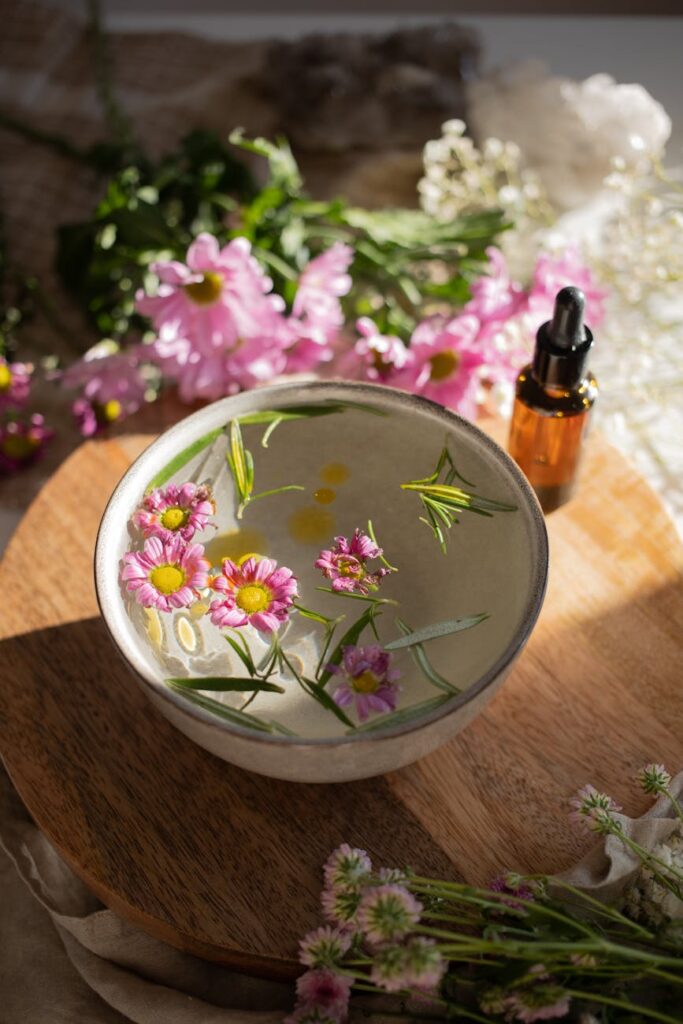
Benefits of Floral Hydrosols for Scalp Care
Introduction
Floral hydrosols, often referred to as floral waters, are the aromatic byproducts of the steam distillation process used to extract essential oils from plants. Unlike essential oils, which are highly concentrated, hydrosols contain a more diluted form of the plant’s constituents and maintain a gentle, soothing quality. As awareness of natural and holistic approaches to personal care grows, floral hydrosols have gained prominence, particularly in scalp care. This article explores the benefits, properties, and applications of floral hydrosols in maintaining a healthy scalp.
What Are Floral Hydrosols for Scalp Care?
Floral hydrosols are created during the distillation of plant materials, primarily flowers, but can also include leaves, stems, and other parts of the plant. The steam used in distillation carries the plant’s volatile compounds, which are then condensed back into water, resulting in a fragrant liquid that retains many of the therapeutic properties of the plant itself.
For scalp care, floral hydrosols can be particularly beneficial due to their mildness and versatility. Common examples of floral hydrosols include rose, lavender, chamomile, and rosemary. These hydrosols not only offer a pleasant scent but also provide various properties that can enhance scalp health.
Key Benefits and Properties
1. Hydration and Moisture Balance: Floral hydrosols are naturally hydrating, which can help restore moisture to the scalp. A well-hydrated scalp can alleviate dryness and flakiness, promoting a more balanced environment for hair growth.
2. Soothing and Calming: Many floral hydrosols, such as chamomile and lavender, possess soothing properties. They can help reduce irritation, redness, and inflammation on the scalp, making them ideal for individuals with sensitive skin or conditions such as dermatitis.
3. Antimicrobial Properties: Certain floral hydrosols carry antimicrobial properties, which can help maintain a clean and healthy scalp. For example, rose and tea tree hydrosols may assist in controlling unwanted microbial growth.
4. pH Balancing: The pH of floral hydrosols is generally close to that of human skin, making them suitable for balancing the scalp’s natural pH. This balance is crucial for preventing conditions like dandruff and oiliness.
5. Aromatherapy Benefits: The aromatic compounds in floral hydrosols can enhance overall well-being. The scent can have calming effects, reducing stress and promoting relaxation, which can contribute to a healthier scalp environment.
Common Uses
Floral hydrosols can be incorporated into scalp care routines in various ways:
- Hair Rinse: After shampooing, using a floral hydrosol as a final rinse can help remove residue and add a layer of hydration. Lavender or rose hydrosols are excellent choices for this purpose.
- Scalp Spray: Mixing floral hydrosols with a few drops of essential oil can create a scalp spray. This can be used throughout the day to refresh the scalp and provide soothing benefits.
- Conditioner Additive: Adding floral hydrosols to hair conditioners can enhance their moisturizing properties and add fragrance.
- Massage Oil: Combining floral hydrosols with a carrier oil can create a scalp massage oil. Massaging the scalp can stimulate circulation and promote relaxation.
- DIY Hair Treatments: Floral hydrosols can be incorporated into homemade hair masks or treatments, providing additional nourishment to both the scalp and hair.
- Inhalation: Inhaling the scent of floral hydrosols can help alleviate stress and promote emotional balance. A few spritzes of lavender hydrosol in the air can create a calming ambiance.
- Diffusion: Using a diffuser with floral hydrosols can disperse their aroma throughout a room, creating a soothing environment conducive to relaxation or meditation.
- Bathing: Adding floral hydrosols to bathwater can enhance the bathing experience, providing both aromatic and skin-nourishing benefits.
- Patch Test: It is advisable to conduct a patch test before using a new hydrosol, especially for individuals with sensitive skin. Apply a small amount to an inconspicuous area and monitor for any adverse reactions.
- Storage: Store floral hydrosols in dark glass bottles to protect them from light and heat. This helps preserve their quality and extends shelf life.
- Avoid Eye Contact: While many hydrosols are gentle, it is best to avoid direct contact with the eyes. If contact occurs, rinse thoroughly with water.
- Consultation: Individuals with specific skin conditions or allergies should consult with a dermatologist or healthcare professional before incorporating new products into their routine.
- Keep Refrigerated: Storing floral hydrosols in the refrigerator can help prolong their freshness and efficacy.
- Use Dark Glass Bottles: Protecting hydrosols from light can prevent degradation of their quality.
- Check for Changes: Regularly inspect the hydrosols for any changes in color, scent, or consistency. Discard any that show signs of spoilage.
Aromatherapy Applications
In aromatherapy, floral hydrosols can be utilized to enhance mental and emotional well-being. Their gentle nature makes them suitable for various applications:
Safety Considerations
While floral hydrosols are generally considered safe for most individuals, it is essential to exercise caution:
Storage and Shelf Life
The shelf life of floral hydrosols varies depending on the type of hydrosol and storage conditions. Generally, they can last anywhere from 6 months to 2 years. To maximize shelf life:
Frequently Asked Questions
1. What is the difference between floral hydrosols and essential oils?
Floral hydrosols are the water-based distillates that remain after essential oils are extracted, while essential oils are concentrated extracts of plant materials. Hydrosols are gentler and can be used directly on the skin, whereas essential oils often require dilution before topical application.
2. Can floral hydrosols be used on all hair types?
Yes, floral hydrosols are versatile and can be beneficial for various hair types. However, individuals with specific hair or scalp concerns may want to choose hydrosols that best suit their needs (e.g., chamomile for light hair or rosemary for oily scalps).
3. How often can I use floral hydrosols on my scalp?
Floral hydrosols can be used daily or as needed. Incorporating them into your routine as a hair rinse, scalp spray, or conditioner additive can enhance scalp health without any adverse effects.
4. Are floral hydrosols safe for children?
Most floral hydrosols are safe for children when used appropriately. However, it is advisable to consult with a pediatrician before introducing any new products to a child’s routine, especially for those with sensitive skin.
5. Can I make my own floral hydrosol at home?
Yes, it is possible to create your own floral hydrosols at home using a simple distillation process. However, it requires specific equipment and knowledge to ensure safety and quality.
—
In conclusion, floral hydrosols present a gentle and multifaceted approach to scalp care. Their hydrating, soothing, and aromatic properties make them a valuable addition to personal care routines. By understanding their benefits and applications, individuals can enhance their scalp health naturally, embracing the beauty of botanical wellness.