
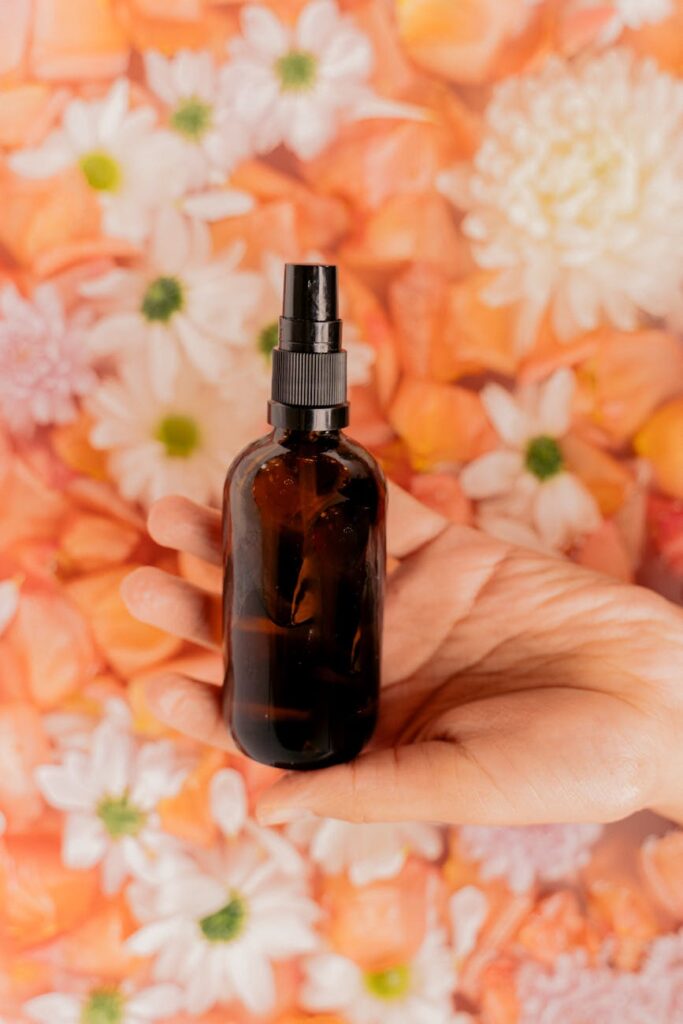
Benefits of Floral Hydrosols for Skin Nourishment
Introduction
Floral hydrosols, often referred to as floral waters, are the aromatic by-products of the steam distillation process used to extract essential oils from plant materials. These delicate liquids are imbued with the essence of their botanical origins and are celebrated in the field of skincare for their numerous beneficial properties. While essential oils often dominate discussions around aromatherapy and skincare, floral hydrosols offer a gentler, more accessible alternative that is suitable for a variety of skin types. This article delves into the properties, benefits, and applications of floral hydrosols for skin nourishment, illuminating their role in holistic skincare regimens.
What Are Floral Hydrosols for Skin Nourishment?
Floral hydrosols are the water-based solutions that remain after the steam distillation of plant materials to obtain essential oils. During this process, volatile compounds and aromatic constituents dissolve in the water, resulting in a product that retains many of the plant’s beneficial properties while being much milder than its oil counterpart. Commonly derived from flowers like rose, lavender, chamomile, and geranium, these hydrosols are rich in water-soluble compounds, making them an excellent choice for skin nourishment.
Unlike essential oils, which can be potent and potentially irritating if used undiluted, floral hydrosols are gentle and can generally be used directly on the skin. They are often utilized as toners, facial mists, or ingredients in DIY skincare formulations, providing hydration and soothing effects.
Key Benefits and Properties
Floral hydrosols possess a range of beneficial properties that make them particularly advantageous for skin health. Here are some of the key benefits:
1. Hydration
Floral hydrosols are primarily composed of water, making them an excellent source of hydration for the skin. They help to replenish moisture levels, which is essential for maintaining skin elasticity and preventing dryness.
2. Soothing Properties
Many floral hydrosols have anti-inflammatory and calming properties, making them ideal for sensitive or irritated skin. For instance, chamomile hydrosol is often used to soothe redness and irritation, while lavender hydrosol can help alleviate the discomfort associated with sunburn.
3. Astringent Qualities
Some floral hydrosols, such as witch hazel and rose, exhibit mild astringent properties that can help tighten pores and reduce the appearance of oily skin. This makes them suitable for those with combination or oily skin types.
4. Antioxidant Activity
Floral hydrosols contain various antioxidants that can help protect the skin from free radical damage. This property is beneficial in combating premature aging and maintaining a youthful complexion. Rose and geranium hydrosols are particularly noted for their antioxidant content.
5. Balancing Skin Tone
Certain hydrosols can help balance the skin’s natural oil production, making them suitable for various skin types. For example, rose hydrosol is known for its ability to balance both dry and oily skin types, promoting an even complexion.
Common Uses
Floral hydrosols can be incorporated into skincare routines in multiple ways. Here are some common applications:
1. Facial Toners
Hydrosols can serve as excellent facial toners, helping to prepare the skin for subsequent skincare products while providing hydration. Simply spray the hydrosol onto a cotton pad or directly onto the skin after cleansing.
2. Facial Mists
As refreshing facial mists, floral hydrosols can be used throughout the day to hydrate and soothe the skin. They can be particularly beneficial in hot or dry environments.
3. DIY Skincare Formulations
Floral hydrosols can be incorporated into homemade skincare products such as creams, serums, and masks. They can replace water in formulations, enhancing the overall aroma and properties of the final product.
4. Bath Additive
Adding floral hydrosols to bathwater can enhance the bathing experience, providing both aromatic and skin-nourishing benefits. This practice can contribute to relaxation and stress relief.
5. After-Sun Care
Hydrosols like chamomile and lavender can be particularly beneficial after sun exposure, providing soothing relief to sunburnt skin and helping to reduce redness.
Aromatherapy Applications
In addition to their topical benefits, floral hydrosols can also be used in aromatherapy. Their subtle aromas can be calming and uplifting, making them suitable for use in diffusers or as part of inhalation practices. Incorporating floral hydrosols into your aromatherapy routine can enhance relaxation, reduce anxiety, and promote overall well-being.
1. Stress Relief
Hydrosols like lavender and rose are often used in aromatherapy to promote relaxation and reduce stress. Spraying them in a room or incorporating them into a massage oil can create a calming environment.
2. Mood Enhancement
Certain floral hydrosols can uplift the mood and invigorate the spirit. For example, geranium hydrosol is known for its balancing effects on emotions and can be beneficial during times of emotional distress.
Safety Considerations
While floral hydrosols are generally considered safe for most individuals, it is essential to conduct a patch test before using any new product on the skin. Apply a small amount of the hydrosol to a discreet area and wait 24 hours to check for any adverse reactions.
1. Allergies
Individuals with allergies to specific plants should exercise caution and avoid hydrosols derived from those plants. Always read labels and consult with knowledgeable sources when selecting a hydrosol.
2. Sensitivity
Though floral hydrosols are milder than essential oils, some individuals may still experience sensitivity. If irritation occurs, discontinue use and consult a skincare professional.
Storage and Shelf Life
Proper storage is crucial to maintaining the quality and effectiveness of floral hydrosols. Here are some tips:
1. Storage Conditions
Store floral hydrosols in a cool, dark place, away from direct sunlight and heat sources. This helps to prevent degradation of the hydrosol’s beneficial properties.
2. Containers
Use dark glass bottles to protect the hydrosol from light exposure. Ensure that the container is clean and airtight to minimize the risk of contamination.
3. Shelf Life
Most floral hydrosols have a shelf life of 6 months to 2 years, depending on the specific type and storage conditions. Check for any changes in color, scent, or consistency before use, and discard if any signs of spoilage are present.
Frequently Asked Questions
1. Can floral hydrosols be used on all skin types?
Yes, floral hydrosols are generally safe for all skin types. However, individuals with specific sensitivities or allergies should choose hydrosols carefully and conduct patch tests.
2. How can I incorporate floral hydrosols into my skincare routine?
Floral hydrosols can be used as toners, facial mists, or ingredients in homemade skincare products. They can also be added to baths for a soothing experience.
3. Are floral hydrosols the same as essential oils?
No, floral hydrosols are the water-based by-products of essential oil distillation, containing many of the same beneficial properties but in a milder form. Essential oils are highly concentrated and should be used with caution.
4. Can I make my own floral hydrosols at home?
Yes, it is possible to make floral hydrosols at home using a distillation process. However, it requires specialized equipment and knowledge to ensure safety and quality.
5. How should I choose a floral hydrosol?
When selecting a floral hydrosol, consider the specific benefits you seek, your skin type, and any potential allergies. Look for high-quality, organic products from reputable suppliers.
Conclusion
Floral hydrosols represent a versatile and gentle option for skin nourishment, offering a myriad of benefits that cater to various skin types and concerns. Their hydrating, soothing, and balancing properties make them a valuable addition to any skincare regimen. As interest in natural and holistic skincare continues to grow, floral hydrosols stand out as an accessible and effective choice for achieving radiant, healthy skin. Incorporating these botanical wonders into your daily routine can enhance not only your skincare experience but also your overall well-being.