
Benefits of Floral Hydrosols for Sun Protection with Specific Flowers
Introduction
Floral hydrosols, often referred to as floral waters, are the aromatic waters produced during the distillation of essential oils. They carry a more delicate scent and contain many of the beneficial properties of the plants from which they are derived. In recent years, these hydrosols have gained popularity not only for their aromatic qualities but also for their potential benefits in skincare, including sun protection. This article explores the benefits of floral hydrosols for sun protection, focusing on specific flowers known for their protective qualities.
What Are Floral Hydrosols for Sun Protection with Specific Flowers?
Floral hydrosols are byproducts of the steam distillation process used to extract essential oils. During this process, the steam captures the volatile compounds of the plant, which are then condensed back into liquid form. The result is a hydrosol that retains the essence of the flower along with its therapeutic properties, albeit in a milder form compared to essential oils.
Certain floral hydrosols, derived from flowers such as chamomile, lavender, rose, and geranium, are recognized for their potential protective qualities against the sun’s harmful rays. While hydrosols do not replace sunscreen, they can complement sun protection regimens due to their soothing and anti-inflammatory properties.
Key Benefits and Properties
1. Soothing and Anti-inflammatory Effects
Many floral hydrosols possess anti-inflammatory properties that can help soothe irritated skin. For instance:
- Chamomile Hydrosol: Known for its calming effects, chamomile can reduce redness and irritation caused by sun exposure.
- Lavender Hydrosol: With its ability to calm the skin and reduce inflammation, lavender can be particularly useful after sun exposure.
- Rose Hydrosol: Rich in antioxidants, rose hydrosol helps retain moisture and keep the skin supple.
- Geranium Hydrosol: Known for balancing skin oils, geranium can help maintain the skin’s moisture levels.
- Rosemary Hydrosol: Although not a flower, rosemary hydrosol has strong antioxidant properties that can contribute to skin protection.
- Lavender Hydrosol: Contains compounds that may help combat free radicals generated by sun exposure.
- Neroli Hydrosol: Derived from bitter orange blossoms, neroli helps maintain skin pH and provides a refreshing effect.
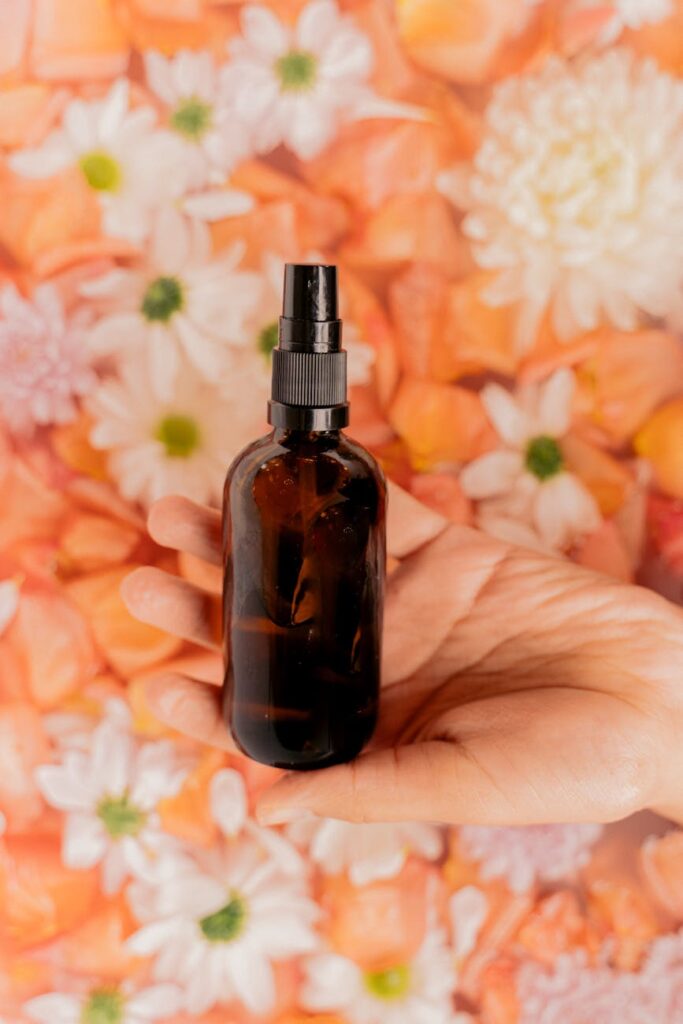
- Use Dark Glass Bottles: This protects the hydrosol from light degradation.
- Keep Refrigerated: Storing in the refrigerator can extend shelf life and enhance the cooling effect when applied to the skin.
- Seal Tightly: Ensure bottles are tightly sealed to prevent contamination.
2. Hydration and Moisture Retention
Floral hydrosols are excellent moisturizers. They can help hydrate the skin, making them a great choice for post-sun exposure care.
3. Antioxidant Properties
Floral hydrosols contain antioxidants that can help counteract the oxidative stress caused by UV radiation.
4. Balancing Skin pH
Maintaining the skin’s natural pH is crucial for its health. Floral hydrosols can help restore balance after sun exposure.
5. Aromatic Benefits
The pleasant scents of floral hydrosols can enhance mood and well-being, providing an added benefit when used in sun protection routines.
Common Uses
Floral hydrosols can be used in various ways to enhance their sun protection benefits:
1. Facial Mist
A floral hydrosol can be used as a facial mist to refresh and hydrate the skin throughout the day. Simply spray it on the face after sun exposure to soothe and cool the skin.
2. Post-Sun Lotion
Mix floral hydrosols with carrier oils or lotions to create a soothing post-sun treatment. For example, combining lavender hydrosol with coconut oil can create a calming lotion for sun-kissed skin.
3. Bath Additive
Add floral hydrosols to bathwater for a relaxing and hydrating experience. This is especially beneficial after a day in the sun.
4. Compress
Soaked cloths in floral hydrosols can be applied to sunburned areas to alleviate discomfort and reduce redness.
Aromatherapy Applications
In addition to their skincare benefits, floral hydrosols are often used in aromatherapy. Their soothing scents can help reduce stress and promote relaxation, making them ideal for use in sun-related skincare routines. Some popular applications include:
1. Diffusion
Diffusing floral hydrosols can create a calming atmosphere, particularly after a day spent outdoors.
2. Massage
Diluted floral hydrosols can be used in massage oils, providing both aromatherapeutic and skin-soothing benefits.
3. Room Spray
Use floral hydrosols as a natural room spray to refresh living areas and create a tranquil environment.
Safety Considerations
While floral hydrosols are generally safe for most individuals, some precautions should be taken:
1. Patch Test
Before applying a new hydrosol to the skin, perform a patch test to check for any allergic reactions or sensitivities.
2. Avoid Eye Contact
Take care to avoid contact with the eyes, as some hydrosols can cause irritation.
3. Storage
Store floral hydrosols in a cool, dark place to preserve their properties and extend shelf life.
Storage and Shelf Life
Floral hydrosols typically have a shelf life of 6 months to 1 year, depending on the type and storage conditions. To ensure longevity:
Frequently Asked Questions
1. Can floral hydrosols replace sunscreen?
While floral hydrosols offer soothing and protective properties, they should not replace sunscreen. They can complement a sun protection regimen but do not provide adequate UV protection on their own.
2. How do I choose the right floral hydrosol for my skin type?
Consider your skin type and any specific concerns. For example, chamomile is excellent for sensitive skin, while rose hydrosol is beneficial for dry skin. Researching each hydrosol’s properties can help guide your choice.
3. Can floral hydrosols be mixed with essential oils?
Yes, floral hydrosols can be blended with essential oils to enhance their benefits. However, ensure you dilute essential oils properly in a carrier before mixing.
4. Are floral hydrosols safe for children?
Most floral hydrosols are gentle and can be used on children’s skin, but it’s always advisable to perform a patch test first and consult with a healthcare professional if there are any concerns.
5. How can I incorporate floral hydrosols into my daily skincare routine?
Consider using floral hydrosols as facial mists, in lotions, or as part of your cleansing routine to harness their benefits. Experiment with different applications to find what works best for your skin.
Conclusion
Floral hydrosols are not only fragrant but also offer various benefits for skin care, particularly in the context of sun protection. With soothing, hydrating, and antioxidant properties, specific flowers like chamomile, lavender, rose, and geranium can provide valuable support to your skin, especially after sun exposure. By understanding their uses and benefits, individuals can enhance their skincare routines and promote overall skin health.