
Benefits of Floral Hydrosols for Wound Care
Introduction
Floral hydrosols, also known as herbal distillates or flower waters, are the aqueous by-products of essential oil distillation. They contain the water-soluble components of the plant, making them gentler and suitable for a variety of uses, including skin care and wound management. This article explores the benefits of floral hydrosols specifically for wound care, emphasizing their properties, common applications, and safety considerations.
What Are Floral Hydrosols for Wound Care?
Floral hydrosols are produced during the steam distillation of plant materials, primarily flowers, leaves, and stems. Unlike essential oils, which are highly concentrated and volatile, hydrosols are milder and contain a spectrum of beneficial compounds, including trace amounts of essential oils, water-soluble plant constituents, and aromatic compounds. Due to their gentler nature, hydrosols are often used in topical applications, making them ideal for treating wounds, cuts, and minor skin irritations.
Some well-known floral hydrosols include rose, lavender, chamomile, and geranium. Each type possesses unique properties that can support skin healing and overall well-being.
Key Benefits and Properties
Antimicrobial Properties
Many floral hydrosols exhibit antimicrobial properties that can help inhibit the growth of bacteria, fungi, and viruses. This is particularly beneficial for wound care, as it may help prevent infections. For instance, lavender hydrosol is known for its ability to combat certain strains of bacteria, making it a popular choice for topical applications.
Anti-Inflammatory Effects
Floral hydrosols can have soothing effects on inflamed skin. Chamomile hydrosol is particularly noted for its anti-inflammatory properties, which can help reduce redness and swelling associated with wounds. Its calming effects may also contribute to a more comfortable healing process.
Hydration and Skin Nourishment
Hydration is crucial for wound healing, and floral hydrosols can provide moisture to the affected area. They are often rich in vitamins, minerals, and antioxidants that can nourish the skin and promote a healthy healing environment. Rose hydrosol, for example, is renowned for its hydrating qualities and is often used to enhance skin elasticity.
pH Balancing
The natural pH of floral hydrosols can help restore the skin’s acid mantle, which is essential for maintaining skin health and preventing infections. This is particularly important in wound care, where maintaining a balanced pH can support the body’s natural healing processes.
Common Uses
Cleansing Wounds
Floral hydrosols can be utilized to cleanse minor wounds and abrasions. Their gentle nature allows for effective cleansing without causing irritation. Lavender and chamomile hydrosols are often used for this purpose, offering antimicrobial and soothing properties.
Soothing Irritated Skin
In addition to wound care, floral hydrosols can be beneficial for other skin irritations, such as rashes, insect bites, or eczema. Their calming properties can help alleviate discomfort and promote healing.
Post-Procedure Care
After dermatological procedures or minor surgeries, floral hydrosols can be used to soothe and hydrate the skin. Applying a hydrosol such as rose or lavender can help reduce redness and promote recovery.
Skin Toner
Some floral hydrosols can serve as natural skin toners, helping to tighten pores and refresh the skin. Their hydrating properties are beneficial for maintaining healthy skin, even beyond wound care.
Aromatherapy Applications
While floral hydrosols are primarily recognized for their topical benefits, they also have aromatherapeutic applications. The gentle scent of floral hydrosols can promote relaxation and reduce stress, which may indirectly support the healing process. Inhalation or diffusion of floral hydrosols can create a calming atmosphere, making them a valuable addition to wellness routines.
Blending with Essential Oils
Floral hydrosols can be blended with essential oils to enhance their properties. When creating a wound care blend, it is essential to choose essential oils known for their healing properties, such as tea tree or frankincense, and to dilute them appropriately in a suitable hydrosol base.
Safety Considerations
While floral hydrosols are generally safe for topical use, it is essential to conduct a patch test before applying them to larger areas of the skin, especially for individuals with sensitive skin or allergies. Additionally, it is crucial to source high-quality, pure floral hydrosols to ensure safety and efficacy.
Allergies and Sensitivities
As with any botanical product, some individuals may experience allergic reactions or sensitivities. If any adverse effects, such as redness or irritation, occur after using a floral hydrosol, discontinue use immediately and consult a healthcare professional if necessary.
Not a Substitute for Medical Treatment
It is important to note that while floral hydrosols can support skin health, they should not be considered a substitute for professional medical advice or treatment, especially in cases of severe wounds, infections, or chronic skin conditions.
Storage and Shelf Life
Floral hydrosols typically have a shorter shelf life than essential oils, usually ranging from six months to two years, depending on the type and storage conditions. To maximize their longevity, it is advisable to store them in a cool, dark place, away from direct sunlight and heat sources.
Container Recommendations
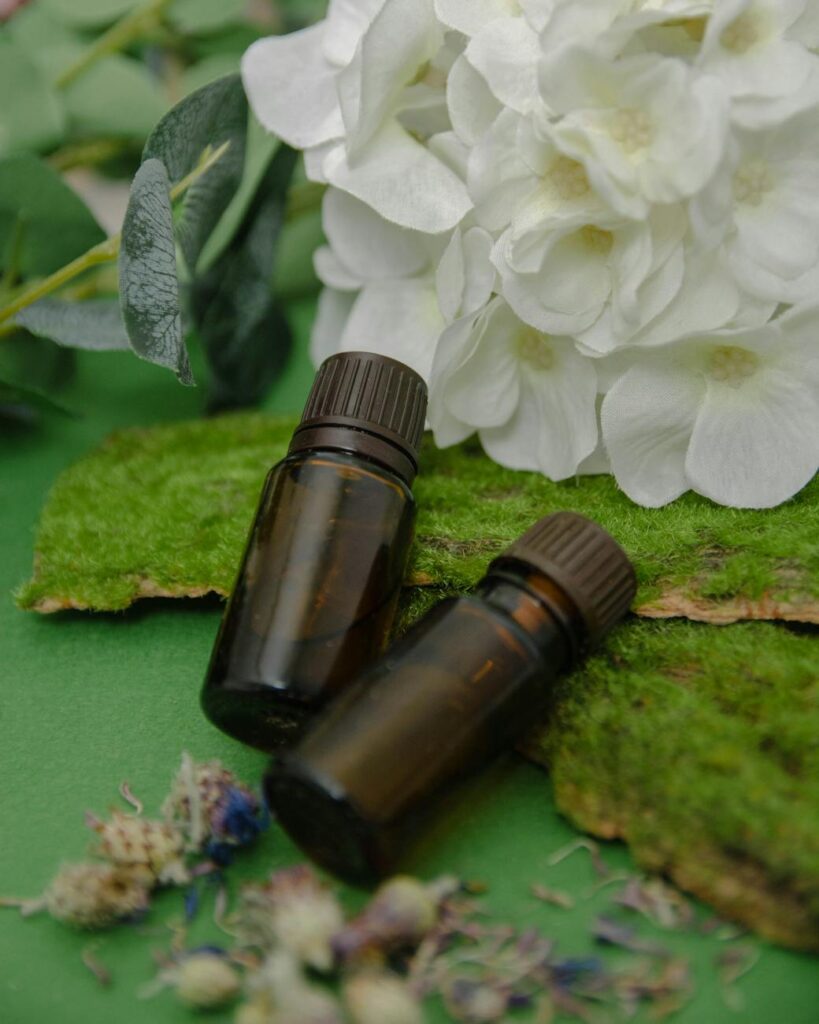
Using dark glass bottles can help protect floral hydrosols from light exposure, which can degrade their quality over time. Always ensure that the container is tightly sealed to prevent contamination and evaporation.
Frequently Asked Questions
How do I choose the right floral hydrosol for wound care?
When selecting a floral hydrosol for wound care, consider the specific properties of each type. For instance, lavender is known for its antimicrobial and soothing qualities, while chamomile is excellent for reducing inflammation. Assess your needs and any potential allergies to choose the most suitable option.
Can I mix different floral hydrosols?
Yes, blending different floral hydrosols can enhance their properties and benefits. However, it is essential to understand the characteristics of each hydrosol and how they may interact. Start with small batches to test the blend before using it more widely.
How often can I apply floral hydrosols to a wound?
The frequency of application can depend on the severity of the wound and individual skin type. Generally, applying floral hydrosols two to three times a day can be beneficial, but it is essential to monitor the wound for any changes and adjust accordingly.
Can children use floral hydrosols for wound care?
Many floral hydrosols are safe for children, but it is advisable to consult with a healthcare professional or a qualified aromatherapist before use, especially for very young children or those with specific skin sensitivities.
Conclusion
Floral hydrosols offer a gentle, effective option for wound care, boasting a range of properties that support healing and skin health. Their antimicrobial, anti-inflammatory, and hydrating characteristics make them a valuable addition to any natural skincare routine. As with any botanical product, it is essential to approach their use with care and consideration, ensuring safe practices and quality sourcing. Whether used alone or in conjunction with essential oils, floral hydrosols can contribute positively to wound management and overall skin wellness.