
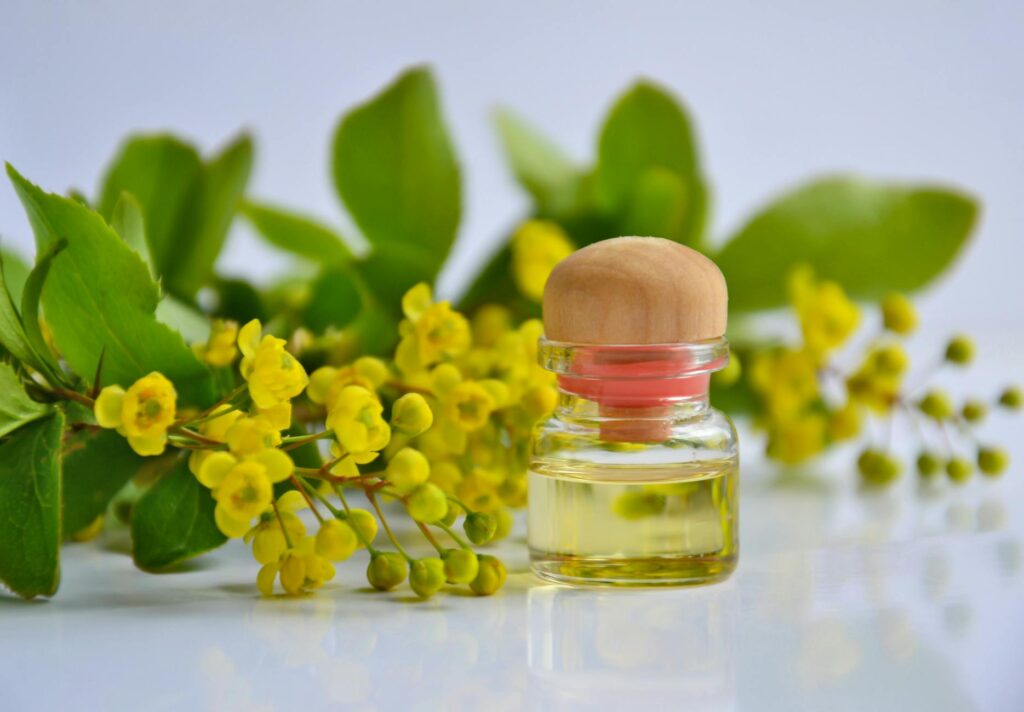
Benefits of Floral Infusions
Introduction
Floral infusions, derived from the petals and sometimes other parts of flowers, have been utilized for centuries for their aromatic and therapeutic properties. These delicate concoctions not only serve to enhance the sensory experience of our surroundings but also offer a variety of benefits that can enrich our daily lives. This article will explore what floral infusions are, their key benefits, common uses, applications in aromatherapy, safety considerations, storage, and frequently asked questions.
What Is Floral Infusions?
Floral infusions are created by steeping flower petals in a liquid medium, typically water or oil, to extract their essential qualities. This process allows the beneficial compounds found in flowers to be released, resulting in a fragrant and often visually appealing infusion. While many people are familiar with herbal infusions made from leaves and stems, floral infusions uniquely capture the essence of flowers, making them a popular choice for both culinary and aromatic purposes.
Types of Floral Infusions
- Water Infusions: Often used in teas and culinary applications, water infusions extract flavors and scents, making them perfect for beverages and cooking.
- Oil Infusions: Commonly used in skincare and aromatherapy, oil infusions harness the properties of flowers in a carrier oil, allowing for topical application or diffusion.
- Teas: Floral teas made from ingredients like chamomile and hibiscus are popular for both their flavor and potential health benefits.
- Baking and Cooking: Edible flowers can be incorporated into recipes, adding color and flavor to cakes, salads, and beverages.
- Facial Toners: Floral infusions can be used as natural toners to refresh the skin and improve its appearance.
- Bath Soaks: Infusions can be added to bathwater for a fragrant and soothing experience, often promoting relaxation.
- Air Fresheners: Floral infusions can be used in potpourri or diffusers to enhance the fragrance of indoor spaces.
- Cleaning Products: Certain floral-infused solutions can serve as natural cleaning agents, leaving behind a pleasant scent.
- Diffusion: Using an essential oil diffuser, floral infusions can be spread throughout a space, creating a calming or invigorating atmosphere.
- Massage Oils: When blended with carrier oils, floral-infused oils can be used for therapeutic massages, aiding in relaxation and reducing tension.
- Inhalation: Direct inhalation of floral aromas, whether through a cloth or steam, can offer immediate benefits for mood enhancement and stress relief.
- Water Infusions: These should be stored in the refrigerator and used within a week to ensure freshness.
- Oil Infusions: Floral-infused oils can be stored in a cool, dark place and may last for several months, depending on the carrier oil used.
Key Benefits and Properties
Floral infusions are celebrated for their various benefits, which can be categorized into several areas:
Aromatic Benefits
The primary allure of floral infusions lies in their captivating fragrances. The scents of flowers can evoke memories, boost mood, and create a soothing atmosphere.
Emotional and Psychological Benefits
Many floral infusions are known to have calming and uplifting effects. For example, chamomile and lavender are often used to promote relaxation and alleviate stress. The sensory experience of inhaling floral aromas can support emotional well-being.
Antioxidant Properties
Some floral infusions are rich in antioxidants, which can help combat oxidative stress in the body. This property is particularly noted in flowers like hibiscus, which has been studied for its high levels of anthocyanins.
Skin Benefits
Floral infusions often possess properties that are beneficial for the skin. For instance, rose and calendula infusions are used in skincare for their soothing and hydrating effects, making them ideal for sensitive skin.
Culinary Uses
Certain floral infusions can enhance culinary dishes, adding unique flavors and aesthetic appeal. Flowers like elderflower and lavender are popular in desserts, teas, and cocktails, contributing both taste and visual charm.
Common Uses
Floral infusions have a wide array of applications across different domains:
Culinary Applications
Skincare
Household Uses
Aromatherapy Applications
Aromatherapy utilizes floral infusions to promote physical and emotional well-being. Various flowers yield essential oils that can be inhaled or applied to the skin, offering a holistic approach to wellness.
Techniques for Use
Safety Considerations
While floral infusions can offer numerous benefits, it is essential to approach their use with care.
Allergies and Sensitivities
Individuals should be aware of potential allergies to specific flowers. It is advisable to conduct a patch test before applying any floral-infused oil to the skin and to consult with a knowledgeable source regarding the edibility of any flowers used in culinary applications.
Quality of Ingredients
When creating or purchasing floral infusions, it is crucial to use high-quality, pesticide-free flowers. This ensures the safety and efficacy of the infusion, particularly for applications involving consumption or topical use.
Children and Pregnant Women
Certain floral infusions may not be suitable for children or pregnant women. It is important to seek guidance from qualified professionals before using floral infusions in these cases.
Storage and Shelf Life
Proper storage is key to maintaining the integrity of floral infusions.
Storage Guidelines
Signs of Spoilage
It is crucial to check for any signs of spoilage, such as off-smells or changes in color, before using any floral infusion. Proper storage practices can extend the shelf life and maintain the quality of the infusion.
Frequently Asked Questions
1. What is the difference between floral infusions and essential oils?
Floral infusions are typically made by steeping flowers in water or oil, while essential oils are concentrated extracts obtained through distillation or cold pressing, capturing the volatile compounds of the flower.
2. Can all flowers be used for infusions?
Not all flowers are suitable for infusions. It is essential to ensure that the flowers used are edible or safe for the intended application. Research or consult a knowledgeable source before using any flowers.
3. How can I incorporate floral infusions into my daily routine?
Floral infusions can be added to your daily life through teas, skincare products, bath soaks, or simply diffused in your home environment for their aromatic benefits.
4. Are there any contraindications to using floral infusions?
Some floral infusions may interact with medications or may not be suitable for specific health conditions. Always consult a healthcare professional if you have any concerns.
5. How do I make my own floral infusion at home?
To create a simple floral infusion, select edible flowers, rinse them gently, and steep them in hot water or carrier oil for several hours. Strain the mixture and store it in a suitable container.
Conclusion
Floral infusions are a remarkable element of both culinary and wellness practices, offering a range of benefits that enhance our lives. From their aromatic properties to their applications in skincare and cooking, these delicate concoctions embody the beauty and utility of nature. As with any natural remedy or enhancement, understanding their uses and safety considerations allows individuals to fully appreciate the enriching qualities of floral infusions.