
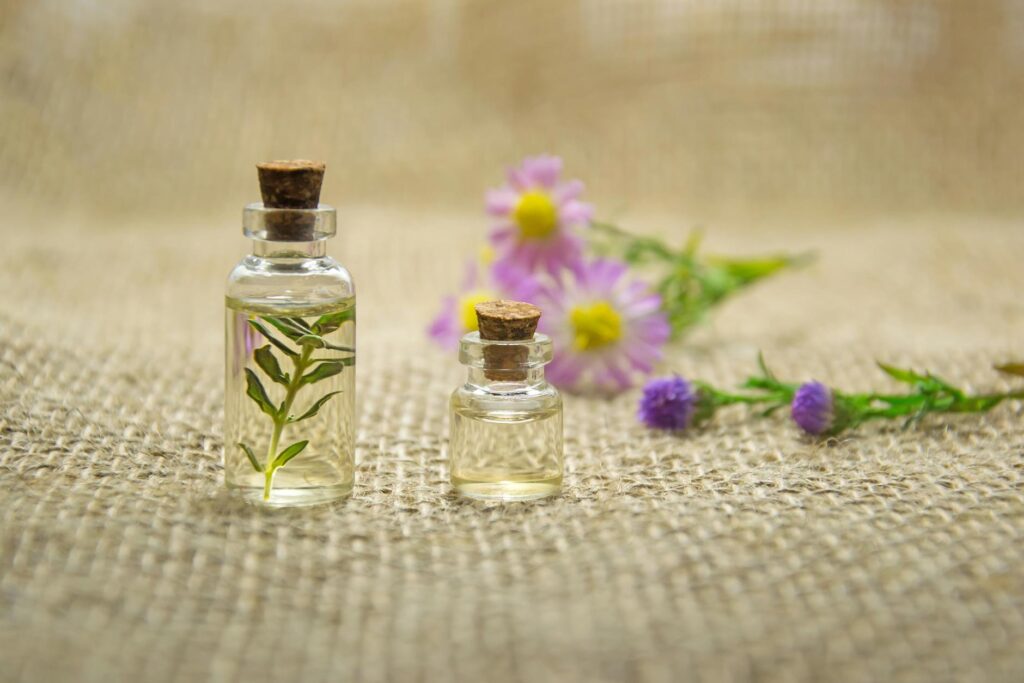
Benefits of Floral Toners
Introduction
Floral toners have gained popularity in the realm of skincare and aromatherapy. These refreshing liquids, typically made from the distillation of flowers, play a versatile role in enhancing the overall health and appearance of the skin. Their soothing properties and aromatic qualities make them a valuable addition to daily skincare routines. This article will explore the definition, benefits, common uses, and safety considerations of floral toners, shedding light on their significance in both beauty and wellness.
What Are Floral Toners?
Floral toners are liquid extracts derived from the steam distillation of various flowers, such as rose, lavender, chamomile, and ylang-ylang. The process captures the essential oils and beneficial compounds of the flowers, resulting in a fragrant, hydrating, and refreshing liquid. Floral toners may also contain a small amount of alcohol or witch hazel as a preservative, alongside natural ingredients to enhance their efficacy.
While their primary use is often associated with skincare, floral toners also serve a broader purpose within the context of aromatherapy, providing both physical and emotional benefits.
Key Benefits and Properties
Floral toners are celebrated for their numerous benefits, which can vary based on the type of flower used in their formulation. Here are some of the key benefits:
1. Hydration
Floral toners are excellent hydrators for the skin. They help restore moisture levels, making the skin feel refreshed and revitalized. This is particularly beneficial for individuals with dry or dehydrated skin, as the toners can provide a quick moisture boost.
2. Soothing Properties
Many floral toners possess anti-inflammatory and calming properties. Ingredients like chamomile and lavender can help soothe irritated skin, reducing redness and discomfort. These properties make floral toners ideal for sensitive skin types.
3. Balancing pH Levels
Floral toners help balance the skin’s pH levels, especially after cleansing. This is crucial for maintaining a healthy skin barrier, as imbalances can lead to issues such as acne, dryness, and irritation.
4. Antioxidant Protection
Flowers like rose and hibiscus are rich in antioxidants that help protect the skin from environmental stressors. These antioxidants can play a role in minimizing the visible signs of aging, such as fine lines and wrinkles.
5. Aromatherapy Benefits
The aromatic compounds found in floral toners can have a profound impact on mood and emotional well-being. The inhalation of these scents can promote relaxation, reduce stress, and enhance overall mental clarity.
Common Uses
Floral toners can be integrated into various aspects of skincare and wellness routines. Here are some common applications:
1. Facial Toner
The most recognized use of floral toners is as a facial toner. Applied after cleansing, they help remove any residual impurities while preparing the skin for subsequent skincare products.
2. Setting Spray
Floral toners can double as a setting spray for makeup, providing a dewy finish and ensuring that makeup stays intact throughout the day.
3. Refreshing Mist
During hot weather or after a workout, floral toners can be used as a refreshing mist to cool the skin and provide instant hydration.
4. Bath Additive
Adding floral toners to bathwater can create a luxurious and aromatic experience, enhancing relaxation and promoting a sense of well-being.
5. Pillow Spray
Spraying floral toners on pillows can help create a calming bedtime environment, promoting better sleep through the soothing scents of flowers like lavender.
Aromatherapy Applications
In the realm of aromatherapy, floral toners can be used in various ways to enhance emotional and mental well-being:
1. Diffuser Additive
Floral toners can be added to essential oil diffusers, allowing their fragrant properties to permeate the air and create a calming atmosphere.
2. Inhalation Therapy
For a quick mood boost, floral toners can be inhaled directly from the bottle or sprayed into the air. The scents can evoke positive emotions and reduce anxiety.
3. Massage Oil Component
When mixed with carrier oils, floral toners can be incorporated into massage oils, providing both aromatherapy and skin benefits during massages.
4. Meditation Aid
The soothing properties of floral toners make them ideal for use during meditation sessions, helping to center the mind and create a tranquil environment.
Safety Considerations
While floral toners are generally considered safe, it is essential to keep a few safety considerations in mind:
1. Patch Test
Individuals with sensitive skin or allergies should perform a patch test before using a new floral toner. This involves applying a small amount of the toner to a discreet area of skin and monitoring for any adverse reactions.
2. Storage
Floral toners should be stored in a cool, dark place to prevent degradation of their beneficial properties. Exposure to light and heat can diminish their effectiveness.
3. Ingredients Awareness
It is essential to read labels and be aware of any additional ingredients that may be included in commercial floral toners. Some formulations may contain alcohol or synthetic additives that could irritate sensitive skin.
4. Pregnancy and Nursing
Pregnant or nursing individuals should consult with a healthcare provider before using floral toners, as certain essential oils may not be recommended during these periods.
Storage and Shelf Life
The shelf life of floral toners can vary depending on their formulation and storage conditions. Generally, homemade floral toners made with natural ingredients should be used within a few weeks to a few months. In contrast, commercially produced floral toners often contain preservatives that can extend their shelf life to one to two years.
To maximize the longevity of floral toners, it is advisable to:
- Store them in dark glass bottles to protect from light.
- Keep them in a cool, dry place, away from direct sunlight.
- Ensure that the bottles are tightly sealed to prevent contamination.
Frequently Asked Questions
1. Can I make my own floral toner at home?
Yes, making your own floral toner is possible and can be a fun DIY project. You can infuse distilled water with dried flowers or use essential oils diluted in water to create a personalized toner.
2. How often should I use floral toners?
Floral toners can typically be used daily, after cleansing your face or throughout the day as a refreshing mist. However, it’s essential to listen to your skin and adjust usage based on its needs.
3. Are floral toners suitable for all skin types?
While floral toners are generally well-tolerated, individuals with specific skin concerns or sensitivities should choose formulations that are compatible with their skin type. Always consult with a skincare professional if uncertain.
4. What is the difference between a floral toner and a facial mist?
While both floral toners and facial mists are hydrating, toners typically contain additional astringent properties and are meant to prepare the skin for subsequent skincare. Facial mists are often lighter and can be used for quick hydration throughout the day.
5. How do I incorporate floral toners into my skincare routine?
To incorporate floral toners into your routine, use them after cleansing your face and before applying serums or moisturizers. You can also use them as a refreshing mist during the day.
Conclusion
Floral toners are a multifaceted addition to both skincare and aromatherapy practices, offering numerous benefits ranging from hydration to emotional support. By understanding their properties and applications, individuals can harness the power of floral toners to enhance their well-being and elevate their beauty routines. While enjoying the aromatic and therapeutic qualities of floral toners, it is essential to prioritize safety and personal compatibility to ensure a positive experience.