
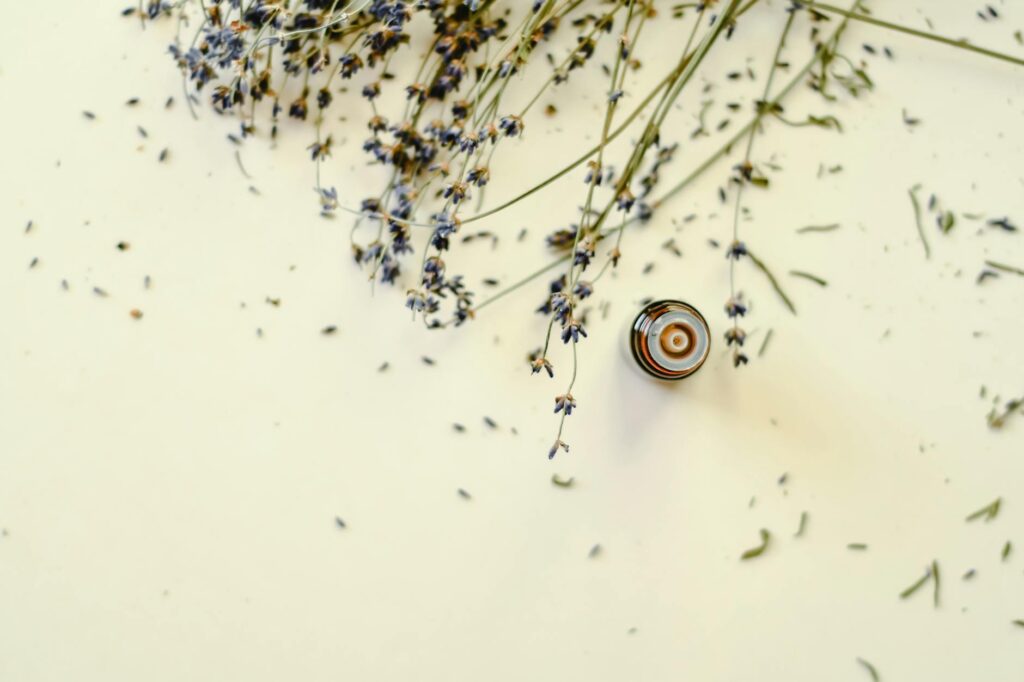
Benefits of Floral Waters
Introduction
Floral waters, also known as hydrosols, are aromatic waters produced during the steam distillation of plant materials, primarily flowers. This natural byproduct retains a delicate scent and beneficial properties of the essential oils from the same plant, but in a much milder form. Floral waters are increasingly popular for their versatility and gentle nature, making them suitable for various applications in skincare, aromatherapy, and everyday wellness. This article explores the composition, benefits, common uses, and safety considerations of floral waters.
What Is Floral Waters?
Floral waters are created through the process of steam distillation, where steam passes through plant materials, extracting essential oils and water-soluble compounds. The steam cools and condenses, separating the essential oil from the hydrosol. Whereas essential oils are highly concentrated and potent, floral waters are diluted, typically containing only 0.5% to 2% of the essential oil’s constituents. This dilution results in a gentler product that retains many of the beneficial properties of the original plant.
Each floral water possesses unique aromatic and therapeutic qualities, depending on the source plant. Common floral waters include rose, lavender, chamomile, and orange blossom, each with its own distinct profile and application.
Key Benefits and Properties
Floral waters are celebrated not only for their pleasant scents but also for their myriad benefits. Some of the key properties include:
1. Gentle Hydration: Floral waters help hydrate the skin, making them suitable for all skin types, including sensitive and acne-prone skin. They can be used as facial mists or toners to refresh and rejuvenate.
2. Soothing Effects: Many floral waters possess calming and anti-inflammatory properties. For instance, chamomile floral water is known for its ability to soothe irritated skin, while lavender floral water can help reduce anxiety and promote relaxation.
3. Antimicrobial Properties: Some floral waters have natural antimicrobial effects, which can help cleanse and purify the skin or air. For example, rose floral water is often used for its antibacterial properties.
4. Mood Enhancement: The aromatic compounds in floral waters can have uplifting effects on mood and emotional well-being. Inhaling the scent of floral waters like jasmine or geranium can promote feelings of happiness and relaxation.
5. Natural Fragrance: Floral waters provide a subtle and natural fragrance that can replace synthetic perfumes. They can be used in personal care products, home fragrances, and even in culinary applications.
Common Uses
Floral waters are versatile and can be used in various applications, including:
1. Skincare: As facial toners, moisturizers, or in DIY skincare formulations. They can be sprayed directly onto the skin or added to creams and lotions for an extra boost of hydration.
2. Hair Care: Floral waters can be used as hair mists to refresh and hydrate hair, adding a pleasant scent while maintaining a healthy look.
3. Aromatherapy: Used in diffusers or as room sprays, floral waters can create a calming or uplifting atmosphere in living spaces.
4. Bathing: Adding floral waters to bath water can enhance the bathing experience, providing a soothing aroma while benefiting the skin.
5. Culinary Uses: Some floral waters, such as orange blossom and rose, are used in culinary preparations, adding unique flavors to desserts and beverages.
Aromatherapy Applications
In aromatherapy, floral waters can be used in several ways to enhance well-being and create specific atmospheres:
1. Facial Mists: Spraying floral water on the face can provide hydration and refreshment while allowing the user to inhale the soothing aroma.
2. Massage: Floral waters can be diluted in carrier oils for massage, offering a fragrant and calming experience during therapeutic sessions.
3. Diffusion: While essential oils are more common in diffusers, floral waters can also be used to create a lighter aromatic experience. They can be added to water in a diffuser for a subtle scent.
4. Meditation and Relaxation: The calming properties of floral waters make them suitable for use during meditation or yoga. Spraying them in the environment can enhance focus and relaxation.
5. Emotional Balance: The scents of floral waters can stimulate emotional responses. For example, rose floral water is often associated with love and compassion, while lavender promotes peace and tranquility.
Safety Considerations
While floral waters are generally considered safe for most people, certain precautions should be taken:
1. Patch Test: Always perform a patch test before applying a new floral water to the skin to check for any adverse reactions.
2. Storage: Floral waters should be stored in a cool, dark place to preserve their aromatic and therapeutic properties. Avoid exposure to direct sunlight and heat.
3. Shelf Life: Floral waters typically have a shelf life of six months to two years, depending on the specific type and storage conditions. Always check for changes in smell, color, or clarity before use.
4. Dilution: Although floral waters are less concentrated than essential oils, it is still advisable to dilute them further when using them in specific formulations, especially for sensitive skin.
5. Pregnancy and Allergies: Consult with a qualified professional if you are pregnant or have allergies before using any new product, including floral waters.
Storage and Shelf Life
Proper storage is essential to maintain the quality of floral waters. Here are some guidelines:
1. Temperature: Store floral waters in a cool, dry place away from sunlight. Refrigeration can help extend their shelf life.
2. Containers: Use dark glass bottles for storage to minimize light exposure. Make sure the bottles are clean and dry before filling.
3. Labeling: Clearly label each bottle with the name of the floral water and the date of opening. This will help keep track of freshness.
4. Expiration: Regularly check for any changes in scent, color, or clarity. If a floral water develops an off smell or appearance, it should be discarded.
Frequently Asked Questions
1. What is the difference between floral waters and essential oils?
Floral waters, or hydrosols, are the byproducts of steam distillation and contain only a small percentage of essential oil constituents. They are milder and safer for direct application to the skin, while essential oils are highly concentrated and should be used with caution.
2. Can I use floral waters in food and beverages?
Yes, certain floral waters, such as rose and orange blossom, are commonly used in culinary applications. However, ensure that the floral water is food-grade and safe for consumption.
3. Are floral waters safe for children?
Floral waters are generally considered safe for children, but it is advisable to perform a patch test and consult with a healthcare professional if there are any concerns.
4. How can I incorporate floral waters into my skincare routine?
Floral waters can be used as facial mists, toners, or mixed with creams and lotions. They can also be added to homemade skincare formulations for added benefits.
5. Can I make my own floral water at home?
Yes, it is possible to create floral waters at home using steam distillation methods, but this process can be complex and requires specific equipment. A simpler method involves steeping dried flowers in distilled water and straining the mixture.
Conclusion
Floral waters offer a gentle and versatile alternative to essential oils, providing numerous benefits for skincare, aromatherapy, and other applications. Their soothing properties, delightful scents, and natural origins make them a valuable addition to wellness routines. Whether used for personal care, home fragrance, or culinary delights, floral waters are a wonderful way to connect with the natural world and enhance overall well-being.