
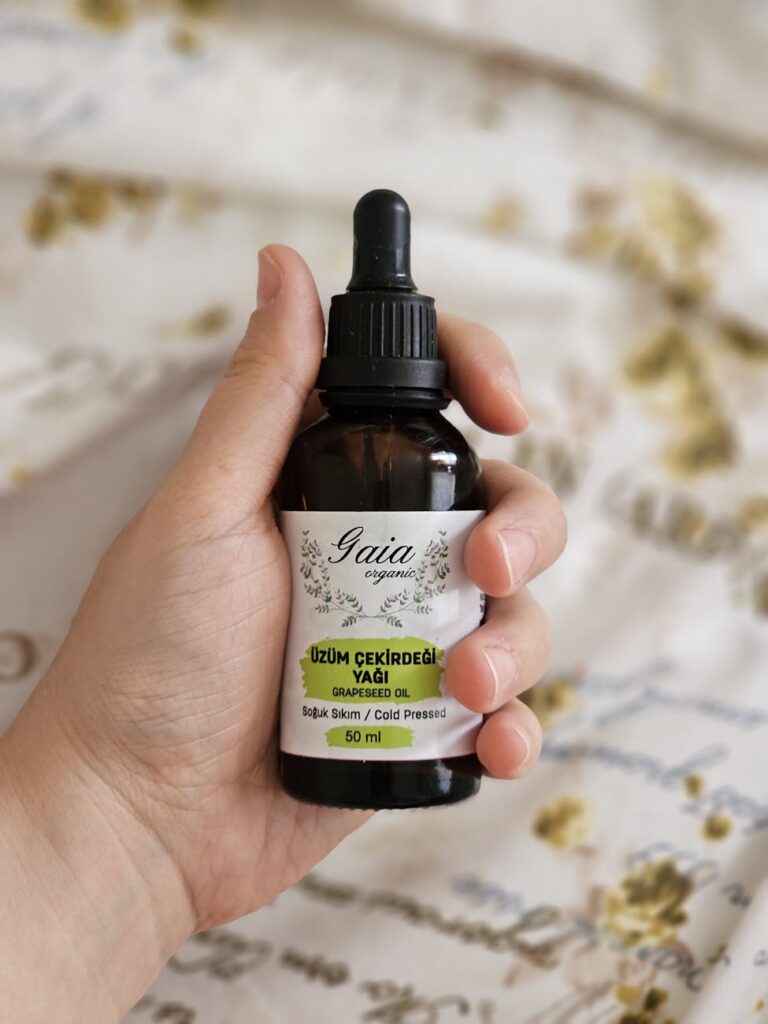
Benefits of Grapeseed Oil
Introduction
Grapeseed oil, derived from the seeds of grapes, is a versatile oil celebrated for its numerous benefits and applications. Growing in popularity among both culinary enthusiasts and wellness practitioners, grapeseed oil is valued for its light texture, high smoke point, and array of healthful properties. This article delves into the characteristics, benefits, and uses of grapeseed oil, providing a comprehensive guide for those interested in incorporating it into their lifestyle.
What Is Grapeseed Oil?
Grapeseed oil is extracted from the seeds of Vitis vinifera, commonly known as the grapevine. The oil extraction process typically involves cold-pressing or solvent extraction, resulting in a light, pale green to yellowish oil. Rich in polyunsaturated fats, grapeseed oil is particularly high in linoleic acid (omega-6 fatty acid) and vitamin E, contributing to its health-promoting attributes.
The oil has gained traction in various sectors, including culinary arts, skincare, and aromatherapy, due to its mild flavor and beneficial properties. It is often considered a more affordable alternative to other oils, making it accessible for a wide range of consumers.
Key Benefits and Properties
1. Nutritional Profile
Grapeseed oil is a powerhouse of essential fatty acids, particularly omega-6, which plays a critical role in maintaining cellular health. It also contains vitamin E, a potent antioxidant, which aids in protecting cells from oxidative stress.
2. Antioxidant Properties
The presence of vitamin E and other antioxidants in grapeseed oil helps combat free radicals in the body. This can contribute to reducing oxidative stress and inflammation, which are linked to various chronic diseases.
3. Skin Health
Grapeseed oil is often utilized in skincare products due to its non-comedogenic nature, meaning it doesn’t clog pores. Its light texture allows for easy absorption into the skin, making it suitable for various skin types, including oily and acne-prone skin.
4. Heart Health
While more research is needed, some studies suggest that the high content of polyunsaturated fats in grapeseed oil may support heart health by improving cholesterol levels. Replacing saturated fats with polyunsaturated fats is generally recommended for cardiovascular wellness.
5. Moisturizing Properties
Due to its emollient characteristics, grapeseed oil is often used in lotions, creams, and other skincare formulations. It can help lock in moisture, making it an effective ingredient for dry skin and promoting overall hydration.
Common Uses
Culinary Uses
Grapeseed oil’s high smoke point (around 420°F or 216°C) makes it ideal for frying, sautéing, and baking. Its mild flavor allows it to complement a variety of dishes without overpowering other ingredients. It can also be used as a base for salad dressings and marinades.
Skincare Applications
In the realm of skincare, grapeseed oil serves as a carrier oil for essential oils in massages and aromatherapy. Its light consistency facilitates smooth application and absorption, enhancing the effectiveness of essential oils.
Hair Care
Grapeseed oil is often included in hair care products due to its ability to nourish and moisturize the hair. It can be used as a leave-in conditioner or a scalp treatment, promoting healthy hair growth and shine.
Aromatherapy Applications
While grapeseed oil is not an essential oil, it is commonly used as a carrier oil in aromatherapy. It helps dilute essential oils, making them safe for topical application.
Blending with Essential Oils
When blended with essential oils, grapeseed oil can enhance the therapeutic effects of the essential oils while providing its own benefits. Its mild scent does not overpower the aromatic qualities of essential oils, making it an excellent choice for creating custom blends for relaxation, rejuvenation, or therapeutic purposes.
Diffusion and Inhalation
Though grapeseed oil is not typically used in diffusers, it can be used in massage oils or topical applications to complement the use of essential oils. When combined with oils like lavender or eucalyptus, it can create a soothing experience for the body and mind.
Safety Considerations
While grapeseed oil is generally regarded as safe for most individuals, it is essential to consider a few factors:
Allergies
Individuals with a known allergy to grapes or related products should exercise caution when using grapeseed oil. A patch test is recommended for first-time users to assess any potential allergic reactions.
Pregnancy and Breastfeeding
Pregnant or breastfeeding individuals should consult a healthcare professional before incorporating any new oils into their routine, including grapeseed oil.
Quality of Oil
When purchasing grapeseed oil, it is crucial to choose high-quality, cold-pressed options whenever possible. Look for oils that are organic and free from additives or preservatives to ensure purity.
Storage and Shelf Life
Grapeseed oil should be stored in a cool, dark place to maintain its quality and extend its shelf life. Exposure to light and heat can cause the oil to oxidize, leading to rancidity.
Shelf Life
Typically, grapeseed oil has a shelf life of around 6 to 12 months when stored properly. Always check for any off smells or changes in texture before use, as these can indicate that the oil has gone bad.
Frequently Asked Questions
1. Can grapeseed oil be used for cooking?
Yes, grapeseed oil is suitable for cooking due to its high smoke point and mild flavor. It can be used for frying, baking, and sautéing.
2. Is grapeseed oil suitable for all skin types?
Grapeseed oil is non-comedogenic and generally suitable for most skin types, including oily and acne-prone skin. However, it is advisable to perform a patch test for individuals with sensitive skin.
3. How can I use grapeseed oil in aromatherapy?
Grapeseed oil can be used as a carrier oil to dilute essential oils for topical application or massages. It can enhance the absorption and effectiveness of essential oils.
4. What are the best ways to store grapeseed oil?
Store grapeseed oil in a cool, dark place, preferably in a glass container. Ensure that the lid is tightly sealed to prevent oxidation.
5. Can grapeseed oil go bad?
Yes, grapeseed oil can go rancid if not stored properly or used beyond its shelf life. Always check for any unusual smells or changes in texture before use.
Conclusion
Grapeseed oil stands out as a multifunctional oil with numerous benefits and applications across culinary, skincare, and aromatherapy domains. Its rich nutritional profile, antioxidant properties, and versatility make it a valuable addition to both personal care routines and cooking practices. Whether you are using it for its skin-nourishing properties or culinary versatility, grapeseed oil can play a beneficial role in promoting overall wellness and enhancing everyday life.