
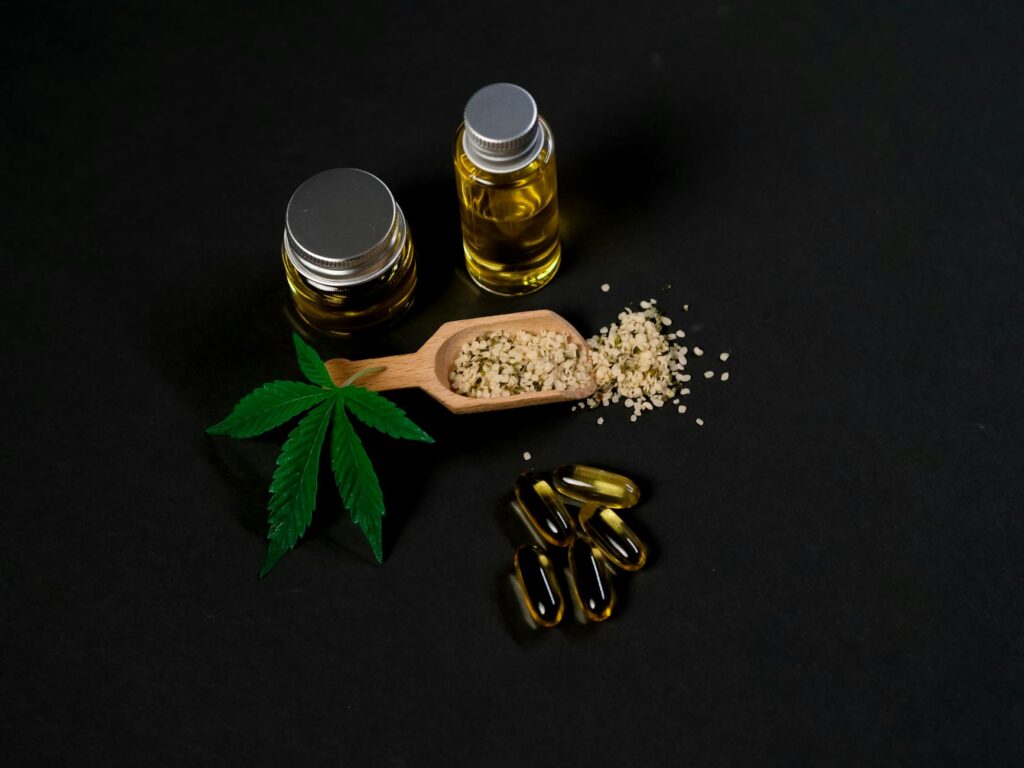
Benefits of Hemp Seed Oil
Introduction
Hemp seed oil has garnered significant attention in recent years, particularly within the realms of natural health and wellness. Derived from the seeds of the Cannabis sativa plant, this oil is often celebrated for its nutritional profile and versatile applications. While it is frequently associated with the broader cannabis family, hemp seed oil is distinctly non-psychoactive and is devoid of the compounds that induce a “high.” This article explores the origins, benefits, common uses, and safety considerations of hemp seed oil, providing a comprehensive overview for those interested in integrating this oil into their lifestyle.
What Is Hemp Seed Oil?
Hemp seed oil is extracted from the seeds of the hemp plant through cold-pressing, a method that helps retain its nutritional integrity. Unlike other oils derived from the cannabis plant, hemp seed oil contains minimal levels of tetrahydrocannabinol (THC) and cannabidiol (CBD), making it a non-intoxicating option. This oil is often characterized by its light green hue and nutty flavor, making it popular not only in cosmetic formulations but also as a culinary ingredient.
Key Benefits and Properties
Hemp seed oil boasts a rich composition, which contributes to its various benefits:
Nutritional Profile
1. Essential Fatty Acids: Hemp seed oil is rich in omega-3 and omega-6 fatty acids, in a ratio that is considered optimal for human health (approximately 3:1). These essential fatty acids play a crucial role in maintaining heart health, supporting brain function, and reducing inflammation.
2. Vitamins and Antioxidants: Hemp seed oil contains vitamins A, C, and E, along with an array of antioxidants. These compounds contribute to skin health and may help combat oxidative stress.
3. Protein Content: The oil is also notable for its protein content, which includes all nine essential amino acids, making it a source of complete protein—a rarity in plant-based oils.
Skin Health
Hemp seed oil is frequently used in skincare formulations due to its nourishing properties. It is non-comedogenic, meaning it does not clog pores, making it suitable for various skin types, including acne-prone skin. The oil’s fatty acids and vitamins help to maintain skin hydration, promote elasticity, and may alleviate conditions such as eczema and psoriasis.
Anti-Inflammatory Properties
The omega-3 and omega-6 fatty acids found in hemp seed oil are known for their anti-inflammatory effects. While research is ongoing, some studies suggest that these properties may help reduce symptoms related to certain inflammatory conditions, although direct claims regarding therapeutic effects should be approached with caution.
Common Uses
Hemp seed oil is incredibly versatile, finding applications across various domains:
Culinary Uses
Hemp seed oil can be used in salad dressings, smoothies, and as a finishing oil for dishes. However, it is not recommended for high-heat cooking, as excessive heat can degrade its nutritional value and flavor.
Skincare
In cosmetics and skincare products, hemp seed oil is often included in lotions, creams, and serums for its moisturizing and soothing properties. It may also be used in hair care products to enhance shine and manageability.
Dietary Supplement
Some individuals take hemp seed oil as a dietary supplement for its nutritional benefits. However, it is important to consult a healthcare professional before adding any new supplement to one’s regimen.
Aromatherapy Applications
While hemp seed oil is not an essential oil in the traditional sense, it can be integrated into aromatherapy practices in several ways:
Carrier Oil
Hemp seed oil serves as an excellent carrier oil for essential oils due to its light texture and compatibility with various skin types. When blended with essential oils such as lavender, eucalyptus, or tea tree, it can enhance the therapeutic effects of these oils while providing additional nourishment to the skin.
Diffusion and Inhalation
Although hemp seed oil is not typically used in diffusers, its non-intoxicating nature allows it to be mixed with essential oils for inhalation. This combination can create a calming atmosphere, promoting relaxation and mental clarity.
Safety Considerations
Hemp seed oil is generally recognized as safe for most individuals when used topically and consumed in moderation. However, certain considerations should be noted:
- Allergies: Individuals with a known allergy to hemp or related plants should avoid using hemp seed oil.
- Drug Interactions: While hemp seed oil is not known to interact with medications, it is prudent to consult a healthcare professional before incorporating it into your diet or skincare routine, especially if you are on any medications.
- Quality Control: As with any product, the quality of hemp seed oil can vary significantly between brands. It is advisable to choose oils that are cold-pressed and come from reputable sources to ensure purity and potency.
Storage and Shelf Life
To maintain its quality, hemp seed oil should be stored in a cool, dark place, preferably in a dark glass bottle. Exposure to light and heat can lead to oxidation, which diminishes the oil’s nutritional value and flavor. When properly stored, hemp seed oil typically has a shelf life of about 6 months to a year. It is important to check for any rancid or off odors before use, as this can indicate spoilage.
Frequently Asked Questions
Is hemp seed oil legal?
Yes, hemp seed oil is legal in many countries, including the United States, as long as it is derived from hemp plants that contain less than 0.3% THC.
Can I use hemp seed oil for cooking?
Yes, hemp seed oil can be used in salad dressings and drizzled over cooked dishes. However, it should not be used for high-heat cooking methods, as this can alter its beneficial properties.
How can I tell if hemp seed oil is of good quality?
Look for cold-pressed, organic hemp seed oil in dark glass bottles. Check for certifications and read reviews to ensure that you are purchasing a high-quality product.
Can hemp seed oil help with acne?
Hemp seed oil may help with acne-prone skin due to its non-comedogenic nature and anti-inflammatory properties. However, results can vary from person to person.
Is hemp seed oil the same as CBD oil?
No, hemp seed oil is extracted from the seeds of the hemp plant and does not contain significant amounts of CBD or THC. CBD oil, on the other hand, is typically extracted from the flowers and leaves of the hemp plant and contains higher concentrations of cannabinoids.
Conclusion
Hemp seed oil is a multifaceted oil with a wide range of potential benefits, from its nutritional content to its applications in skincare and culinary practices. Its growing popularity reflects a broader interest in natural health products and sustainable ingredients. As with any addition to your health and wellness routine, it is essential to choose high-quality products and consult with professionals regarding any specific concerns or questions. Whether you are interested in its dietary benefits, skincare applications, or simply exploring natural alternatives, hemp seed oil offers a wealth of possibilities.