
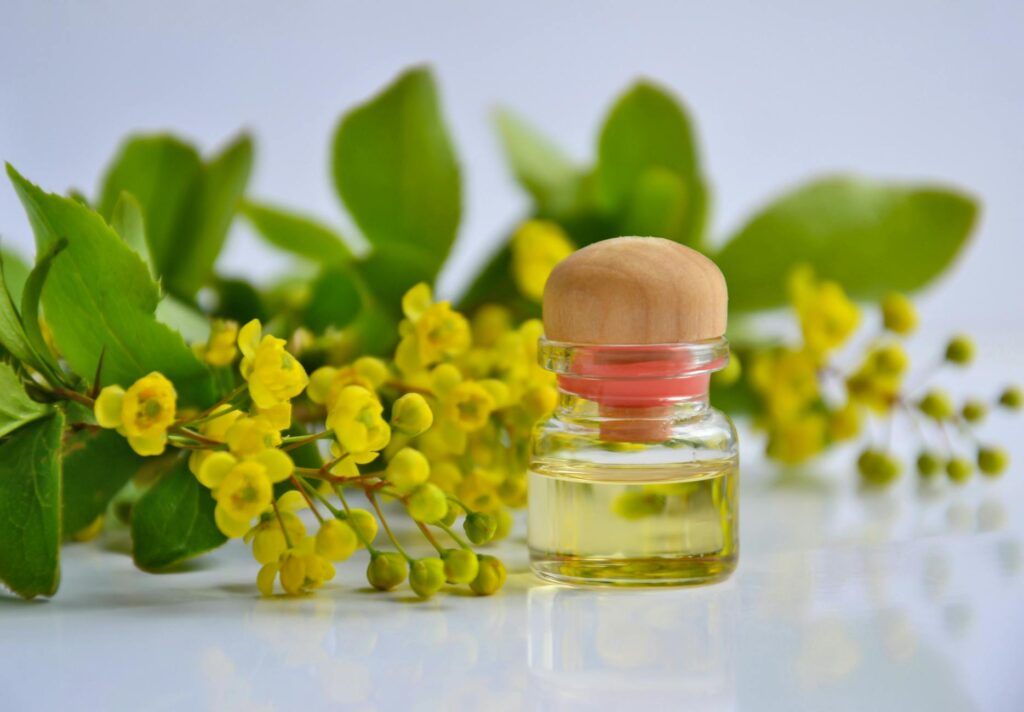
Benefits of Herbaceous Hydrosols
Introduction
Herbaceous hydrosols, often referred to as floral waters or distillates, have been utilized for centuries in various cultures for their aromatic properties and potential benefits. These gentle, water-based byproducts of essential oil distillation capture the essence of the plants from which they are derived while retaining a multitude of beneficial properties. This article delves into the definition, key benefits, common uses, and safety considerations associated with herbaceous hydrosols, providing a comprehensive overview for those interested in enhancing their understanding of this aromatic medium.
What Is Herbaceous Hydrosols?
Herbaceous hydrosols are the aromatic waters produced during the steam distillation of plant materials, primarily herbs, flowers, and leaves. Unlike essential oils, which are concentrated and highly volatile, hydrosols retain a significant amount of the water-soluble components of the plant. This results in a milder, more subtle aroma and a diverse range of beneficial properties.
Hydrosols are typically created through a process that involves steaming the plant material, allowing the steam to capture the volatile compounds. Once the steam cools and condenses, it separates into two layers: the essential oil, which floats on top, and the hydrosol, which remains below. This process not only extracts the aromatic qualities of the plants but also incorporates their therapeutic properties into the water.
Key Benefits and Properties
Herbaceous hydrosols offer a variety of benefits and properties that make them valuable in both personal care and holistic practices. Here are some of the key advantages:
1. Gentle on the Skin
Due to their mild nature, hydrosols are often suitable for sensitive skin types. They can be used as toners, facial mists, or in skincare formulations to soothe and hydrate the skin without the potential irritation associated with concentrated essential oils.
2. Natural Aroma
The subtle fragrances of herbaceous hydrosols can enhance the ambiance of a space. They serve as natural air fresheners, providing a gentle aroma that can uplift mood and create a calming environment.
3. Hydration and Refreshment
Hydrosols can be used to hydrate the skin, making them ideal for use in hot weather or after physical activity. They can also be mixed with other products to enhance hydration levels.
4. Therapeutic Properties
Many hydrosols retain the therapeutic properties of their parent plant. For instance, lavender hydrosol is known for its calming effects, while chamomile hydrosol may possess soothing qualities. These properties can contribute to relaxation and overall well-being.
5. Versatile Applications
With their diverse benefits, herbaceous hydrosols can be employed in various applications, from personal care products to household cleaning solutions. Their versatility makes them a valuable addition to any natural living toolkit.
Common Uses
Herbaceous hydrosols can be utilized in a myriad of ways, enhancing both daily routines and holistic practices. Here are some common uses:
1. Skincare
Hydrosols can be used as facial toners, soothing sprays, or added to creams and lotions. They help balance skin pH, tighten pores, and provide hydration.
2. Hair Care
In hair care, hydrosols can act as natural conditioners or scalp toners. They can add fragrance and nourishment, promoting a healthy scalp and hair.
3. Household Cleaning
Certain hydrosols, such as those derived from citrus or herbs, can be mixed with natural cleaning agents to create effective, fragrant cleaning solutions. Their antibacterial properties make them suitable for sanitizing surfaces.
4. Aromatherapy
Hydrosols can be diffused to create a calming atmosphere or sprayed in the air to freshen up a space. They can also be used in relaxation practices, such as meditation or yoga.
5. Culinary Uses
Some hydrosols, like rose or mint, can be incorporated into culinary creations, enhancing the flavor of dishes or beverages. They can also be used in homemade syrups or desserts.
Aromatherapy Applications
In aromatherapy, herbaceous hydrosols serve as a gentle alternative to essential oils, providing similar benefits with a lower concentration of active components. Here are some applications:
1. Relaxation and Stress Relief
Hydrosols like lavender, chamomile, and rose can be used in calming sprays or added to bathwater to promote relaxation and reduce stress. Their subtle aromas can help create a tranquil environment conducive to rest.
2. Mood Enhancement
Citrus hydrosols, such as orange or lemon, can uplift mood and invigorate the senses. They can be used in personal mists or diffused during social gatherings for a refreshing ambiance.
3. Sleep Support
Hydrosols like lavender can be sprayed on pillows or bedding to promote better sleep. Their calming properties can help create a serene bedtime routine.
4. Meditation and Mindfulness
Incorporating hydrosols into meditation practices can enhance the experience. Spritzing a calming hydrosol in the air or onto the body can help focus the mind and create a peaceful atmosphere.
Safety Considerations
While herbaceous hydrosols are generally safe for use, it is essential to consider a few safety guidelines:
1. Patch Testing
Before using a hydrosol on the skin, it is advisable to conduct a patch test to check for any allergic reactions or sensitivities. Apply a small amount to a discreet area and monitor for any adverse effects.
2. Storage Conditions
Hydrosols should be stored in a cool, dark place to prevent degradation. Exposure to light and heat can diminish their quality and potency.
3. Quality and Sourcing
When purchasing hydrosols, ensure they are sourced from reputable suppliers. Look for products that are organic and free from additives or preservatives.
4. Consultation for Specific Needs
Individuals with specific health issues or sensitivities should consult with a knowledgeable practitioner before incorporating hydrosols into their routine, particularly if they are pregnant or nursing.
Storage and Shelf Life
The shelf life of herbaceous hydrosols varies depending on the type and quality of the product. Generally, hydrosols can last anywhere from six months to two years when properly stored. Here are some tips for storage:
1. Cool and Dark Environment
Store hydrosols in dark glass bottles to protect them from light and heat. A pantry or cupboard is an ideal location.
2. Refrigeration
Some hydrosols may benefit from refrigeration, especially those with a shorter shelf life. This can help preserve their freshness and aromatic qualities.
3. Sealing
Ensure that the bottles are tightly sealed after each use to prevent contamination and evaporation.
4. Signs of Spoilage
Be observant for any changes in color, smell, or consistency. If a hydrosol develops an off-putting odor or shows signs of cloudiness, it is advisable to discard it.
Frequently Asked Questions
1. Can hydrosols be used for children?
Many hydrosols are safe for children, but it is crucial to choose gentle varieties and consult with a knowledgeable practitioner if there are any concerns.
2. Are hydrosols safe for pets?
While some hydrosols may be safe for pets, others can be irritating. It is important to research specific hydrosols and consult a veterinarian if necessary.
3. Can I mix different hydrosols?
Yes, hydrosols can be blended to create unique combinations, enhancing their benefits and aromas. Experimenting with different blends can yield delightful results.
4. Are hydrosols the same as essential oils?
No, hydrosols are not the same as essential oils. While both are derived from plants, hydrosols are water-based and less concentrated, making them milder and suitable for a broader range of applications.
5. Where can I purchase herbaceous hydrosols?
Herbaceous hydrosols can be found at health food stores, online retailers, and specialty shops that focus on natural products. Ensure that you choose high-quality, organic options for the best results.
Conclusion
Herbaceous hydrosols offer a unique and versatile addition to a holistic lifestyle, providing a gentle yet effective means to enhance well-being and daily living. With their myriad benefits and applications, they serve as an excellent alternative to essential oils, catering to those seeking gentler aromatic experiences. By understanding their properties, uses, and safety considerations, individuals can fully appreciate the value of these botanical treasures in their personal care and wellness practices.