
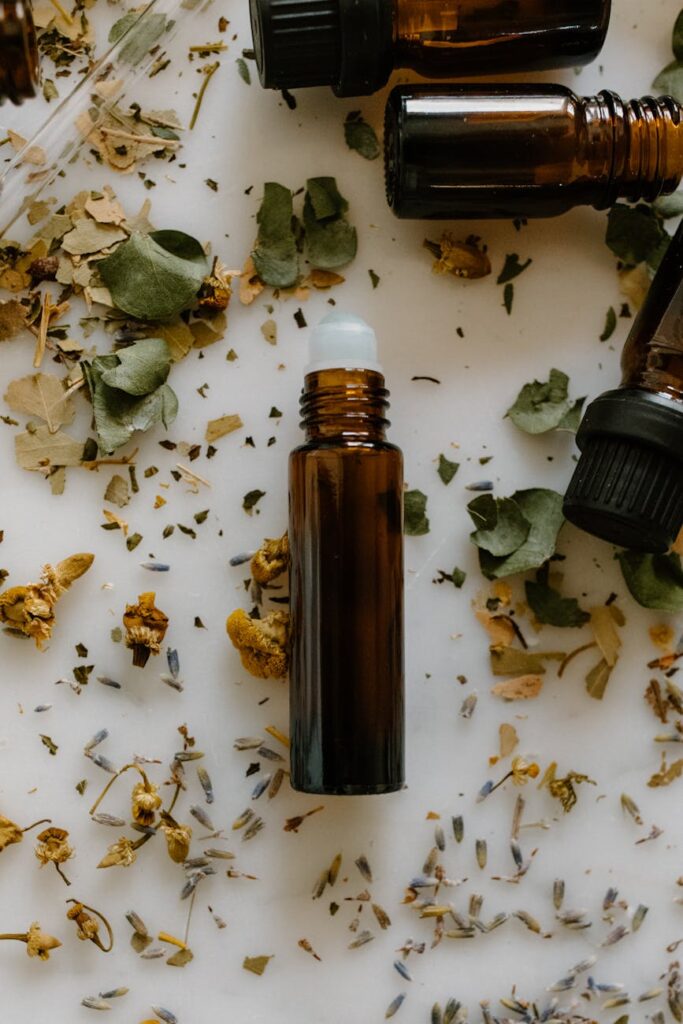
Benefits of Herbal Anti-Inflammatory Essential Oil Blends
Introduction
In recent years, there has been a growing interest in natural remedies, particularly in the realm of essential oils and aromatherapy. Among the various applications of essential oils, herbal anti-inflammatory blends have gained attention for their potential to support overall well-being. This article delves into the composition, benefits, uses, and safety considerations of herbal anti-inflammatory essential oil blends, providing a comprehensive overview for those curious about integrating these natural products into their wellness routines.
What Is Herbal Anti-Inflammatory Essential Oil Blends?
Herbal anti-inflammatory essential oil blends are formulations that combine various essential oils derived from plants known for their anti-inflammatory properties. These blends are created with the intention of harnessing the synergistic effects of multiple oils to enhance their therapeutic benefits. Essential oils are concentrated extracts taken from different parts of plants, such as leaves, flowers, bark, and roots, and they carry the unique aromatic compounds that contribute to their individual characteristics.
Some common essential oils that are often included in anti-inflammatory blends include:
- Lavender (Lavandula angustifolia): Renowned for its calming properties, lavender also possesses anti-inflammatory qualities that can help soothe skin irritations and promote relaxation.
- Peppermint (Mentha piperita): Known for its cooling effect, peppermint can provide relief from tension and discomfort, making it a popular choice in anti-inflammatory formulations.
- Eucalyptus (Eucalyptus globulus): With its refreshing scent, eucalyptus oil is frequently used to support respiratory health and is recognized for its anti-inflammatory effects.
- Tea Tree (Melaleuca alternifolia): Valued for its antimicrobial properties, tea tree oil can help reduce inflammation, particularly in skin conditions.
- Chamomile (Matricaria chamomilla): Often utilized for its calming effects, chamomile oil is also known for its ability to reduce inflammation and promote skin healing.
These oils can be blended in various proportions to create a personalized formula tailored to individual needs.
Key Benefits and Properties
Herbal anti-inflammatory essential oil blends offer a range of potential benefits:
1. Reduction of Inflammation
The primary benefit of these blends lies in their ability to reduce inflammation, which is often the root cause of various health issues, including joint pain and skin irritations. Many essential oils contain compounds that can inhibit inflammatory responses in the body.
2. Pain Relief
Many users report relief from discomfort and pain when using anti-inflammatory essential oil blends. The analgesic properties of these oils can provide a soothing effect, making them useful for headaches, muscle soreness, and joint pain.
3. Enhanced Mood and Relaxation
The aromatic properties of essential oils can have a significant impact on mental and emotional well-being. The calming effects of oils like lavender and chamomile can help mitigate stress and anxiety, promoting overall relaxation.
4. Antimicrobial Properties
Some essential oils possess natural antimicrobial properties, helping to combat infections and support skin health. This can be particularly beneficial in treating conditions such as acne or minor wounds.
5. Support for Respiratory Health
Certain essential oils, such as eucalyptus and peppermint, can help open airways and improve respiratory function, providing relief during cold and allergy seasons.
Common Uses
Herbal anti-inflammatory essential oil blends can be utilized in various ways, making them versatile additions to wellness routines:
1. Topical Applications
These blends can be diluted with carrier oils (such as coconut or jojoba oil) and applied directly to the skin. This method is particularly effective for targeting localized inflammation and discomfort.
2. Aromatherapy Diffusion
Using a diffuser, individuals can disperse the essential oil blend into the air, allowing for inhalation of the beneficial compounds. This method can promote relaxation and improve mood.
3. Bath Soaks
Adding a few drops of the anti-inflammatory blend to a warm bath can enhance relaxation while providing soothing effects to sore muscles and joints.
4. Massage Oils
Incorporating anti-inflammatory essential oils into massage oils can provide therapeutic benefits during massage therapy, enhancing relaxation and relieving tension.
Aromatherapy Applications
The practice of aromatherapy involves using essential oils to promote physical, emotional, and mental well-being. Herbal anti-inflammatory essential oil blends can be incorporated into various aromatherapy practices:
1. Inhalation
Inhaling essential oils directly from the bottle or from a tissue can provide immediate benefits, especially for stress relief or respiratory issues.
2. Massage
Combining essential oils with carrier oils for massage can help alleviate muscle tension and promote relaxation.
3. Steam Inhalation
Adding essential oils to hot water and inhaling the steam can open airways and provide relief from respiratory discomfort.
4. Bathing Rituals
Integrating essential oils into bath rituals can create a soothing experience that nourishes both the body and mind.
Safety Considerations
While herbal anti-inflammatory essential oil blends can offer various benefits, it is essential to use them safely:
1. Dilution
Always dilute essential oils with a carrier oil before applying them to the skin to prevent irritation. A common dilution ratio is one to two drops of essential oil per teaspoon of carrier oil.
2. Patch Testing
Before using a new essential oil blend, conduct a patch test on a small area of skin to check for allergic reactions or sensitivities.
3. Avoiding Sensitive Areas
Avoid applying essential oils to sensitive areas such as the eyes, mucous membranes, and broken skin.
4. Pregnancy and Medical Conditions
Consult with a healthcare professional before using essential oils if you are pregnant, nursing, or have pre-existing medical conditions.
Storage and Shelf Life
Proper storage of essential oils is crucial to maintain their efficacy:
1. Dark Glass Containers
Store essential oils in dark glass bottles to protect them from light, which can degrade their quality.
2. Cool, Dry Place
Keep essential oils in a cool, dry environment to prevent oxidation and prolong shelf life.
3. Shelf Life
Most essential oils have a shelf life of one to three years, depending on the oil. Citrus oils tend to have a shorter shelf life than oils such as lavender or cedarwood.
Frequently Asked Questions
1. Can I create my own herbal anti-inflammatory essential oil blend?
Yes, many individuals enjoy creating their blends by mixing different essential oils known for their anti-inflammatory properties. Start with small quantities and adjust based on preference.
2. Are herbal anti-inflammatory blends suitable for children?
Some essential oils are safe for children, while others may not be appropriate. Always consult with a qualified professional before using essential oils on children.
3. How often can I use these blends?
The frequency of use depends on the individual and the method of application. Generally, topical applications can be used as needed, while aromatherapy can be practiced multiple times throughout the day.
4. Will these blends replace traditional medicine?
Herbal anti-inflammatory essential oil blends should complement, not replace, traditional medical treatments. Always consult with a healthcare provider for any health concerns.
Conclusion
Herbal anti-inflammatory essential oil blends represent a fascinating area of natural wellness, offering a range of potential benefits from pain relief to mood enhancement. By understanding their properties, uses, and safety considerations, individuals can explore the art of aromatherapy and integrate these blends into their daily lives. Whether used for relaxation, massage, or as part of a larger wellness routine, these natural formulations can provide a holistic approach to well-being.