
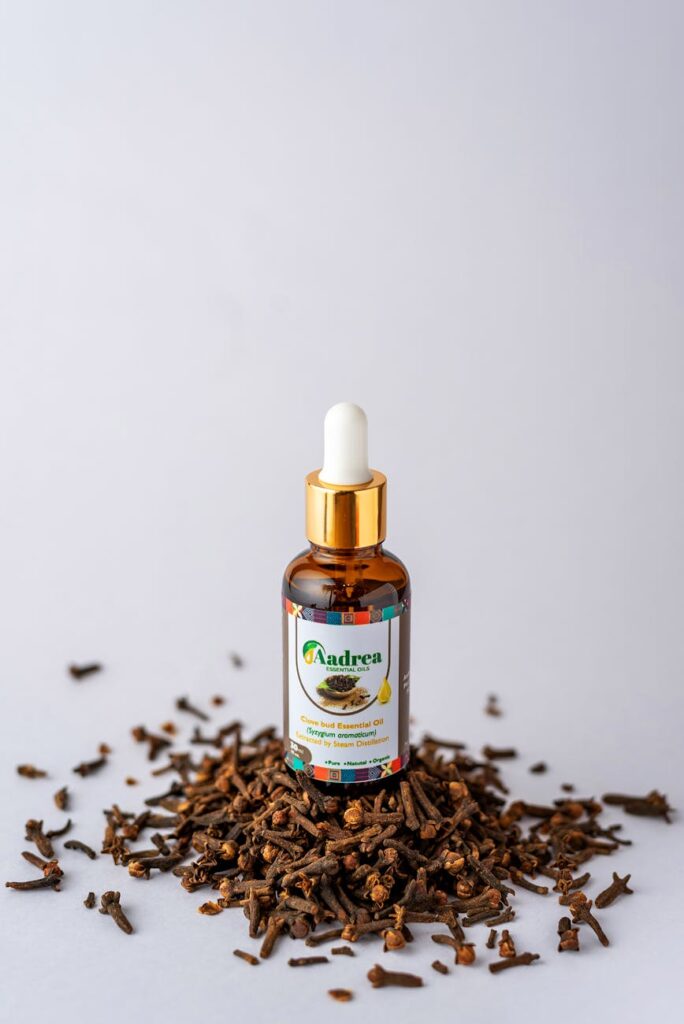
Benefits of Herbal Extracts
Introduction
Herbal extracts have gained significant popularity in recent years, largely due to the growing interest in natural remedies and holistic health practices. These concentrated forms of plants harness the beneficial properties of herbs, making them a valuable addition to various applications, from culinary uses to skincare and wellness practices. This article explores what herbal extracts are, their key benefits, common uses, and safety considerations, while also delving into their role in aromatherapy.
What Are Herbal Extracts?
Herbal extracts are concentrated substances derived from plants, capturing the unique properties of the botanical source. These extracts can be made through various methods, including:
- Maceration: Soaking plant material in a solvent (often alcohol or oil) to extract its essence.
- Steam Distillation: A process used primarily for essential oils, where steam extracts volatile compounds from plant materials.
- Cold Pressing: A method often used for citrus fruits, where the oil is extracted without heat, preserving its properties.
- Infusion: Soaking herbs in a liquid, such as water or oil, to extract flavor and beneficial compounds.
The result is a potent form of the plant, typically more concentrated than dried herbs or teas. Herbal extracts can vary in form, including tinctures, essential oils, and glycerites, each with its own unique characteristics and applications.
Key Benefits and Properties
Herbal extracts are celebrated for their diverse range of benefits, which can vary depending on the source plant. Below are some of the key properties often associated with herbal extracts:
1. Antioxidant Properties
Many herbal extracts contain antioxidants, compounds that help neutralize free radicals in the body. This action can support overall health and may help reduce the risk of chronic diseases.
2. Anti-Inflammatory Effects
Certain herbs are known for their anti-inflammatory properties. Herbal extracts can help mitigate inflammation, contributing to the relief of various conditions.
3. Antimicrobial Activity
Some extracts possess antimicrobial properties, making them useful in combating bacteria, viruses, and fungi. This characteristic is particularly valued in formulations for skin care and hygiene.
4. Relaxation and Stress Relief
Herbal extracts such as chamomile, lavender, and valerian root are commonly associated with calming effects. Their use in herbal teas and aromatherapy is popular for those seeking relaxation and stress relief.
5. Digestive Support
Several herbal extracts, such as peppermint and ginger, are traditionally used to support digestive health. They may help alleviate discomfort and promote healthy digestion.
6. Hormonal Balance
Certain herbal extracts, like black cohosh and red clover, are often associated with supporting hormonal balance. These extracts are valued in formulations aimed at addressing specific life stages.
Common Uses
Herbal extracts are versatile and can be found in various applications:
1. Culinary Uses
Many herbal extracts, such as vanilla extract, are staples in cooking and baking. They enhance flavors and aromas in food and beverages.
2. Skin Care
Herbal extracts are commonly used in skin care formulations. Ingredients like aloe vera and tea tree oil are known for their soothing and healing properties.
3. Dietary Supplements
Many herbal extracts are sold as dietary supplements, offering concentrated doses of beneficial compounds. They can be found in the form of capsules, tinctures, or powders.
4. Natural Cleaning Products
Some herbal extracts, such as lemon or eucalyptus, are incorporated into natural cleaning products for their antibacterial properties and pleasant scents.
5. Aromatherapy
The aromatic qualities of certain herbal extracts make them perfect candidates for use in aromatherapy. Essential oils can be diffused or applied topically to promote relaxation and other beneficial effects.
Aromatherapy Applications
Aromatherapy is a holistic practice that utilizes the aromatic properties of essential oils and herbal extracts to promote physical and emotional well-being. Some common applications include:
1. Diffusion
Herbal extracts can be diffused in the air, allowing their scents to create a calming or uplifting atmosphere. Popular choices include lavender for relaxation and citrus oils for energizing effects.
2. Topical Application
Many herbal extracts can be diluted with a carrier oil and applied to the skin. This method is often used for localized relief, such as using peppermint oil for headaches or eucalyptus oil for respiratory support.
3. Bathing
Herbal extracts can be added to bathwater to create a soothing experience. Oils like chamomile and ylang-ylang can enhance relaxation during a warm bath.
4. Inhalation
Inhalation of herbal extracts can provide immediate benefits for mood enhancement or respiratory support. This can be done using steam inhalation or simple inhalers.
Safety Considerations
While herbal extracts are generally regarded as safe, certain precautions should be taken:
1. Quality and Purity
Always choose high-quality herbal extracts from reputable suppliers. Low-quality products may contain harmful additives or be poorly processed.
2. Allergies
Some individuals may be allergic to specific herbs. It is essential to conduct a patch test before applying any new extract to the skin.
3. Interactions with Medications
Herbal extracts can interact with certain medications. It is advisable to consult with a healthcare professional before combining herbal extracts with prescribed treatments.
4. Pregnancy and Nursing
Certain herbal extracts may not be safe during pregnancy or nursing. Always consult a healthcare provider for guidance in these situations.
5. Dosage
Excessive use of herbal extracts can lead to adverse effects. It is crucial to follow recommended dosages and guidelines.
Storage and Shelf Life
Proper storage is essential for maintaining the potency of herbal extracts. Here are some tips:
1. Keep Away from Light and Heat
Store herbal extracts in a cool, dark place to prevent degradation. Glass containers with tight-fitting lids are ideal.
2. Check Expiration Dates
Most herbal extracts come with expiration dates. Regularly check your products to ensure they are still effective.
3. Refrigeration
Some extracts, particularly those in oil form, may benefit from refrigeration to extend their shelf life.
Frequently Asked Questions
1. How are herbal extracts different from essential oils?
Herbal extracts can be made from various parts of the plant (leaves, roots, flowers) and may contain multiple compounds. Essential oils are typically more concentrated and often distilled from specific parts of the plant.
2. Can I make my own herbal extracts at home?
Yes, many people make their own herbal extracts using methods like maceration or infusion. However, ensure you follow safe practices and use high-quality herbs.
3. Are herbal extracts safe for children?
Many herbal extracts are suitable for children, but it is essential to consult with a healthcare professional for age-appropriate dosages and formulations.
4. Do herbal extracts have any side effects?
While generally safe, some individuals may experience side effects depending on the specific extract and dosage. Always consult with a healthcare professional if you have concerns.
5. How do I choose the right herbal extract for my needs?
Choosing the right herbal extract depends on your specific goals and preferences. Research the properties of each extract and consider consulting with an herbalist or healthcare professional for personalized recommendations.
Conclusion
Herbal extracts serve as a powerful testament to the benefits of nature. Their versatility and range of applications make them valuable in culinary practices, skincare, and wellness routines. Understanding the properties, uses, and safety considerations associated with herbal extracts can empower individuals to incorporate these natural remedies into their lives effectively. As interest in holistic health continues to grow, herbal extracts will undoubtedly remain a cherished resource for many.