
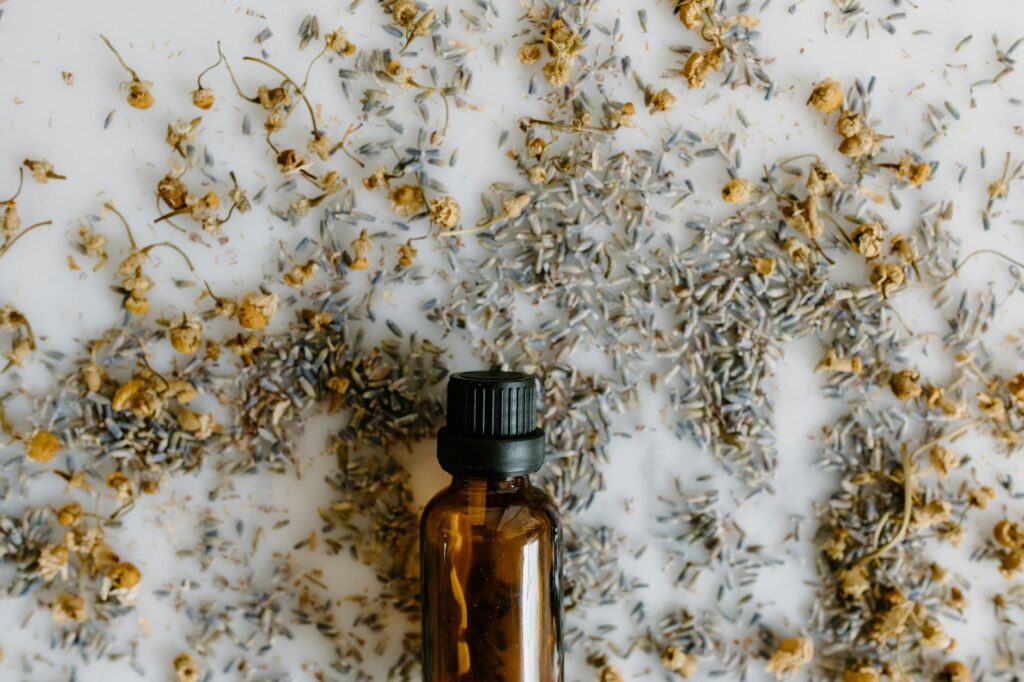
Benefits of Herbal Hydrosols for Immune Support
Introduction
Herbal hydrosols, often referred to as floral waters, are aromatic byproducts of the steam distillation process used to extract essential oils from plants. While essential oils are concentrated and potent, hydrosols carry a gentle essence of the plant, making them ideal for various applications, including skin care and aromatherapy. In recent years, herbal hydrosols have gained recognition for their potential benefits in supporting the immune system. This article explores what herbal hydrosols are, their key benefits, common uses, and safety considerations.
What Is Herbal Hydrosols for Immune Support?
Herbal hydrosols are produced when steam passes through plant material, capturing the volatile compounds that are released during distillation. The resulting liquid contains water-soluble components and trace elements of essential oils, making it lighter and less concentrated than essential oils. The hydrosol retains the therapeutic properties of the plant, albeit in a milder form.
When discussing immune support, specific herbal hydrosols—such as eucalyptus, thyme, and lavender—are particularly notable. These hydrosols are believed to contain properties that may help bolster the body’s defenses against pathogens and promote overall wellness.
Key Benefits and Properties
1. Antimicrobial Properties
Many herbal hydrosols possess natural antimicrobial properties. For instance, eucalyptus hydrosol is known for its ability to combat bacteria and fungi, making it beneficial in preventing infections. Similarly, thyme hydrosol has exhibited antifungal and antibacterial properties, which can be advantageous in maintaining a healthy immune system.
2. Anti-inflammatory Effects
Chronic inflammation can weaken the immune system over time. Certain herbal hydrosols, such as chamomile and rose, are recognized for their anti-inflammatory effects. Incorporating these hydrosols into daily routines may help reduce inflammation, thereby supporting immune function.
3. Antioxidant Activity
Herbal hydrosols can be rich in antioxidants, compounds that protect cells from oxidative stress. This stress can arise from free radicals, which may weaken the immune system. Hydrosols like rosemary and mint are known for their high antioxidant content, potentially aiding in the maintenance of a healthy immune response.
4. Calming Effects
Stress can negatively impact the immune system. Many herbal hydrosols, such as lavender and geranium, are celebrated for their calming and soothing properties. Utilizing these hydrosols in aromatherapy or as part of a self-care routine may help alleviate stress, indirectly supporting immune health.
Common Uses
1. Skincare
Herbal hydrosols can be used as gentle facial toners or mists. Their light, hydrating properties make them suitable for all skin types. For example, rose hydrosol is often used to soothe irritated skin, while tea tree hydrosol can help in managing oily or acne-prone skin.
2. Room Spray
Hydrosols can serve as natural room sprays, providing both a pleasant aroma and potential antimicrobial benefits. Eucalyptus and peppermint hydrosols can be particularly refreshing, making them ideal for enhancing indoor air quality.
3. Culinary Uses
Some herbal hydrosols can be incorporated into culinary applications. For instance, mint hydrosol can be used to flavor beverages or desserts, offering a unique and aromatic twist to various dishes while also providing potential immune support.
4. Bath Additive
Adding herbal hydrosols to bath water can create a soothing experience that promotes relaxation. Lavender and chamomile hydrosols can enhance the calming effects of a warm bath, making them ideal for stress relief.
Aromatherapy Applications
Aromatherapy is a popular method of harnessing the benefits of hydrosols. They can be diffused, sprayed, or applied topically (in diluted form) to promote emotional and physical well-being. Here are a few ways to incorporate herbal hydrosols into aromatherapy practices:
1. Diffusion
Using a diffuser, herbal hydrosols can be vaporized into the air, releasing their aromatic properties. Eucalyptus and thyme hydrosols can be particularly beneficial for respiratory support during cold seasons.
2. Inhalation
Direct inhalation of specific hydrosols can provide immediate benefits. Placing a few drops of eucalyptus hydrosol on a tissue and inhaling may help clear nasal passages, while lavender hydrosol can promote relaxation and sleep.
3. Topical Applications
When diluted appropriately, herbal hydrosols can be applied to the skin. For instance, a mixture of chamomile hydrosol and carrier oil can be applied to inflamed areas to soothe irritation.
Safety Considerations
While herbal hydrosols are generally safe for most individuals, it is essential to consider the following:
- Patch Test: Always conduct a patch test when using a new hydrosol topically to check for any allergic reactions.
- Dilution: Although hydrosols are milder than essential oils, some may still cause irritation if used in concentrated forms. Dilution is recommended for topical applications.
- Pregnancy and Nursing: Individuals who are pregnant or nursing should consult a healthcare provider before using herbal hydrosols, as some plants may not be suitable during these periods.
- Consultation: If you have existing health conditions or are on medication, it is advisable to consult a healthcare professional before incorporating new herbal products into your routine.
- Storage Conditions: Store hydrosols in a cool, dark place, away from direct sunlight and heat. Refrigeration can extend the shelf life of certain hydrosols.
- Container: Use dark glass bottles for storage to protect the hydrosol from light exposure. Ensure that the container is tightly sealed to prevent contamination.
- Shelf Life: Generally, herbal hydrosols have a shelf life of 1 to 3 years, depending on the plant and storage conditions. Always check for any changes in smell, color, or clarity before use.
Storage and Shelf Life
Proper storage is crucial for maintaining the quality and efficacy of herbal hydrosols. Here are some guidelines:
Frequently Asked Questions
1. Are herbal hydrosols safe for children?
Most herbal hydrosols are safe for children when used appropriately. However, it is advisable to consult a healthcare provider for specific recommendations based on the child’s age and health status.
2. Can I use hydrosols internally?
While some hydrosols are safe for culinary use, it is essential to ensure they are food-grade. Always check with a qualified professional before ingesting any hydrosol.
3. How do I choose the right hydrosol for immune support?
Selecting the appropriate hydrosol depends on your personal preferences and specific needs. Research the properties of different hydrosols and consider factors such as scent, intended use, and potential benefits.
4. Can I mix different hydrosols?
Mixing hydrosols can create unique blends that enhance their properties. However, it’s advisable to start with small amounts to ensure that the combination suits your preferences and does not cause irritation.
5. How often can I use herbal hydrosols?
Herbal hydrosols can be used daily in various applications, such as skincare and aromatherapy, as long as they do not cause irritation. It’s essential to listen to your body and adjust usage accordingly.
Conclusion
Herbal hydrosols present a gentle yet effective way to harness the benefits of plants for immune support and overall wellness. With their antimicrobial, anti-inflammatory, and calming properties, these aromatic waters can be integrated into various aspects of daily life. Understanding their uses, benefits, and safety considerations allows individuals to make informed choices about incorporating herbal hydrosols into their wellness routines. As with any natural product, it is essential to approach their use with mindfulness and respect for the plants from which they are derived.