
Benefits of Herbal Hydrosols for Skin Care
Introduction
Herbal hydrosols, often referred to as flower waters or distillates, are aromatic waters produced during the steam distillation of plant materials, particularly flowers and leaves. These gentle yet potent extracts have gained popularity in recent years, particularly in the realm of skincare. With their rich array of bioactive compounds, hydrosols offer numerous benefits for skin health and well-being. This article will explore the nature of herbal hydrosols, their key properties, common uses, and safety considerations.
What Is Herbal Hydrosols for Skin Care?
Herbal hydrosols are the byproducts of essential oil production. During steam distillation, volatile oils are separated from plant materials, leaving behind a water-based solution that contains water-soluble components of the plant. While essential oils are concentrated and potent, hydrosols are more diluted, making them suitable for direct application on the skin.
Typically, hydrosols retain the scent and some therapeutic properties of the plants from which they are derived, making them a valuable addition to skincare routines. Common hydrosols include rose, lavender, chamomile, and peppermint, each offering unique benefits.
Key Benefits and Properties
1. Gentle and Soothing
Hydrosols are known for their mildness, making them suitable for sensitive skin types. Their calming properties can help alleviate irritation, redness, and inflammation. For instance, chamomile hydrosol is frequently used to soothe irritated skin, while lavender hydrosol is renowned for its calming effects.
2. Hydration
Hydrosols can provide a refreshing burst of hydration for the skin. They can be used as facial mists or added to creams and lotions to enhance moisture retention. Rose hydrosol, in particular, is celebrated for its hydrating qualities and ability to balance the skin’s moisture levels.
3. Antimicrobial Properties
Many herbal hydrosols possess natural antimicrobial properties, which can help in cleansing the skin and preventing breakouts. For example, tea tree hydrosol is often employed for its antibacterial effects, making it beneficial for acne-prone skin.
4. Antioxidant Effects
Hydrosols contain a variety of plant compounds that exhibit antioxidant properties. These compounds can help protect the skin from environmental stressors, such as pollution and UV radiation. The antioxidant-rich nature of rosemary hydrosol can contribute to a more youthful and vibrant complexion.
5. Balancing pH Levels
The skin has a natural pH that is slightly acidic, typically ranging from 4.5 to 5.5. Regular use of hydrosols can help restore and maintain this balance, which is essential for overall skin health. Witch hazel hydrosol is often praised for its astringent properties, making it effective in balancing oily skin.
Common Uses
1. Facial Toners
Hydrosols can be used as natural facial toners, helping to refine pores, tighten the skin, and remove residual impurities. They can be applied directly to the skin using a cotton pad or misted on for a refreshing effect.
2. Setting Sprays for Makeup
In addition to their skincare benefits, hydrosols can serve as excellent setting sprays for makeup. They help to create a dewy finish while providing skin-nourishing properties throughout the day.
3. Soothing Sunburns and Irritations
Due to their soothing properties, hydrosols can be effective for alleviating sunburns and skin irritations. Applying a cooling hydrosol, such as aloe vera or lavender, can provide relief and promote healing.
4. Bath Additives
Hydrosols can enhance the bathing experience by adding aromatic and therapeutic properties to bathwater. Lavender or rose hydrosol added to a warm bath can create a calming atmosphere and promote relaxation.
5. Hair Care
Certain hydrosols, like rosemary and mint, can be beneficial for hair care. They can be used as hair rinses to promote scalp health, add shine, and invigorate the hair.
Aromatherapy Applications
In addition to their skincare benefits, herbal hydrosols also play a significant role in aromatherapy. The subtle aroma of hydrosols can enhance mood, promote relaxation, and create a calming environment.
1. Diffusion
While hydrosols are not typically used in diffusers, they can be incorporated into aromatherapy practices by adding them to steam inhalation sessions or using them in facial steams. This allows for the inhalation of the hydrosol’s aromatic properties.
2. Massage
Hydrosols can be combined with carrier oils for use in massages. Their gentle aroma can enhance the experience and provide additional benefits to the skin.
3. Meditation and Mindfulness
Incorporating hydrosols into meditation practices can help create a serene atmosphere. A light mist of calming hydrosols like lavender or chamomile can enhance relaxation and focus.
Safety Considerations
While herbal hydrosols are generally safe for topical use, there are some considerations to keep in mind:
1. Patch Test
It is advisable to perform a patch test before using a new hydrosol to check for any potential allergic reactions or skin sensitivities. Apply a small amount to a discreet area and observe for any adverse reactions over 24 hours.
2. Quality and Purity
Ensure that the hydrosols you are using are of high quality and free from synthetic additives or preservatives. Look for products that are labeled as 100% pure and organic when possible.
3. Avoid Eye Contact
While hydrosols are generally safe for the skin, avoid contact with the eyes. If contact occurs, rinse thoroughly with water.
4. Pregnancy and Nursing
If you are pregnant or nursing, consult with a qualified expert before using specific hydrosols, as some may not be suitable during these periods.
Storage and Shelf Life
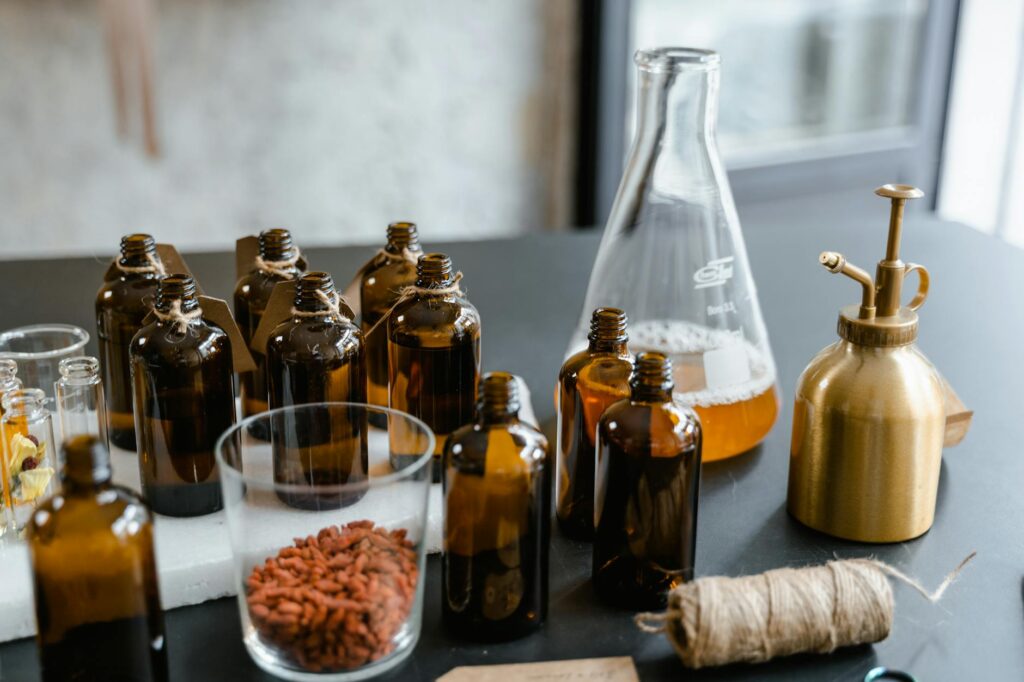
Herbal hydrosols should be stored in a cool, dark place to maintain their freshness and potency. Ideally, they should be kept in dark glass bottles to protect them from light exposure.
1. Shelf Life
Typically, hydrosols have a shelf life of 1 to 2 years, depending on the type and storage conditions. It is essential to check for any changes in color, odor, or texture, as these may indicate spoilage.
2. Refrigeration
For optimal freshness, some hydrosols can benefit from refrigeration. This can help extend their shelf life and enhance their cooling properties when applied to the skin.
Frequently Asked Questions
1. Can I use hydrosols on all skin types?
Most hydrosols are gentle enough for various skin types, including sensitive skin. However, individual reactions may vary, so it’s best to perform a patch test first.
2. How often should I use hydrosols?
Hydrosols can be used daily as part of your skincare routine. They can be misted onto the skin as needed for hydration and refreshment.
3. Are hydrosols the same as essential oils?
No, hydrosols are different from essential oils. While both are derived from plants, hydrosols are water-based and milder than essential oils, making them safe for direct application to the skin.
4. Can hydrosols replace my moisturizer?
Hydrosols can complement your moisturizer but are not a direct replacement. They provide hydration and additional benefits but may not offer the same occlusive properties as a moisturizer.
5. Where can I purchase high-quality hydrosols?
High-quality hydrosols can be found at specialty health stores, online retailers, or from companies that focus on organic and natural products. Always check for purity and quality before purchasing.
Conclusion
Herbal hydrosols are a versatile and valuable addition to skincare routines, offering a range of benefits from hydration and soothing properties to antimicrobial effects. As natural and gentle extracts, they can cater to various skin types and concerns. By understanding their properties and applications, individuals can harness the power of these aromatic waters to enhance their skin care and overall well-being.