
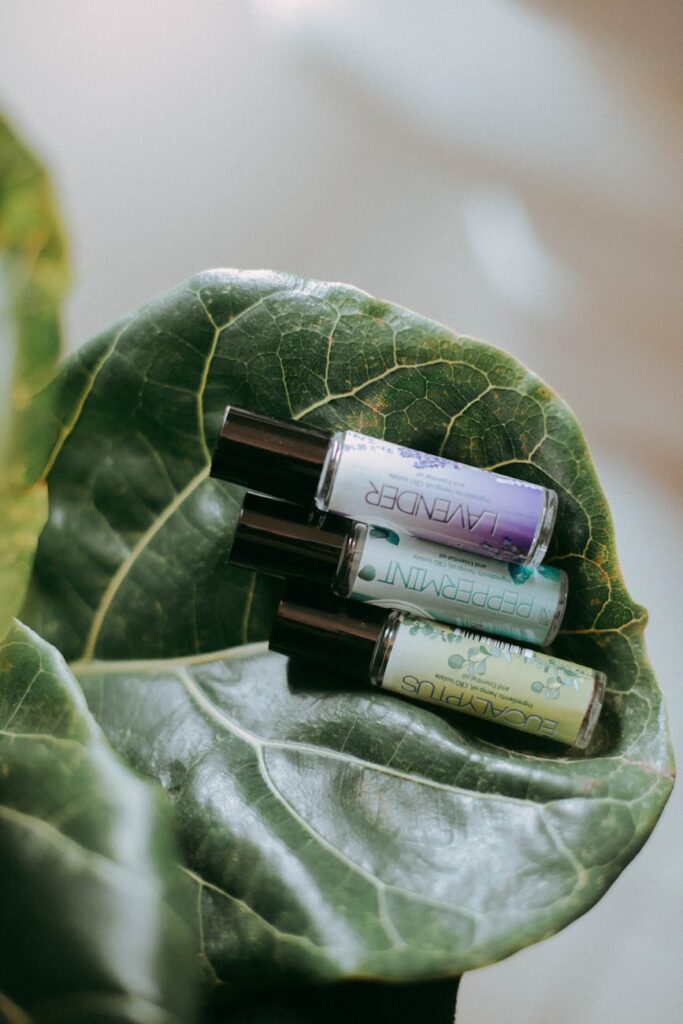
Benefits of Herbal Immune Boost Essential Oil Blends
Introduction
In recent years, there has been a growing interest in holistic health practices, particularly in the use of essential oils and aromatherapy. Among these, herbal immune boost essential oil blends have gained popularity for their potential to support overall well-being. These blends often combine various essential oils derived from plants known for their beneficial properties. In this article, we will explore what herbal immune boost essential oil blends are, their key benefits, common uses, and safety considerations.
What Is Herbal Immune Boost Essential Oil Blends?
Herbal immune boost essential oil blends are formulations that typically combine several essential oils known for their immune-supporting properties. These blends are often created using oils extracted from various parts of plants, including leaves, flowers, bark, and roots. Common ingredients may include oils from herbs such as eucalyptus, tea tree, lavender, and oregano, each contributing unique properties to the blend.
The idea behind these blends is to harness the synergistic effects of multiple oils, enhancing their overall efficacy. While individual oils may offer specific benefits, a well-crafted blend can amplify these effects, providing a holistic approach to wellness.
Key Benefits and Properties
1. Antimicrobial Properties
Many essential oils possess antimicrobial properties, which can help inhibit the growth of bacteria, viruses, and fungi. Oils like tea tree and eucalyptus are well-known for their ability to combat pathogens, making them popular choices in immune-boosting blends.
2. Anti-inflammatory Effects
Chronic inflammation can weaken the immune system, leading to various health issues. Some essential oils, such as ginger and frankincense, have anti-inflammatory properties that may help reduce inflammation in the body, supporting overall immune function.
3. Respiratory Support
Certain essential oils can help open airways and support respiratory health. For example, eucalyptus and peppermint are commonly used in blends aimed at promoting clear breathing, which can be particularly beneficial during seasonal changes.
4. Stress Relief
Stress can significantly impact immune function. Aromatherapy with calming oils like lavender and chamomile can help reduce stress levels, promoting a balanced immune response. The relaxing properties of these oils can create a sense of well-being, further supporting the body’s natural defenses.
5. Energy Boosting
Some essential oils, such as citrus oils (e.g., lemon and orange), are invigorating and can help uplift mood and energy levels. This boost in energy can be beneficial for overall wellness and immune function.
Common Uses
Herbal immune boost essential oil blends can be used in various ways, depending on individual preferences and specific needs. Here are some common applications:
1. Diffusion
Using a diffuser is one of the most popular methods for enjoying the benefits of essential oils. By adding a few drops of an immune-boosting blend to a diffuser, you can disperse the aroma throughout a room, creating a pleasant and therapeutic atmosphere.
2. Topical Application
Diluting essential oils with a carrier oil (such as coconut, almond, or jojoba oil) allows for safe topical application. This method can be beneficial for localized support, such as applying to the chest for respiratory benefits or to pulse points for stress relief.
3. Inhalation
For immediate benefits, inhaling essential oils directly from the bottle or a cotton ball can provide quick relief. This method is particularly useful for respiratory support and energy boosts.
4. Bathing
Adding essential oils to bathwater can create a soothing and aromatic experience. A few drops of an immune-boosting blend in a warm bath can help with relaxation and stress relief.
5. DIY Products
Herbal immune boost essential oil blends can be incorporated into homemade products such as soaps, lotions, and candles, allowing for personalized aromatherapy experiences.
Aromatherapy Applications
Incorporating herbal immune boost essential oil blends into aromatherapy practices can enhance their effectiveness. Here are several applications:
1. Meditation and Mindfulness
Using essential oils during meditation can enhance relaxation and focus. Blends that include calming oils like lavender or frankincense can help create a serene environment, making it easier to connect with inner peace.
2. Yoga Practices
Incorporating essential oils into yoga routines can heighten the experience. Diffusing or applying a blend before or during yoga can promote relaxation and enhance the connection between mind and body.
3. Seasonal Support
During seasonal transitions, using immune-boosting blends can be particularly beneficial. Diffusing these oils in the home or applying them topically can help create a supportive environment for the immune system.
4. Air Purification
Certain essential oils, such as tea tree and lemon, possess natural purifying properties. Using these oils in a diffuser can help cleanse the air, providing both aromatic and health benefits.
Safety Considerations
While essential oils are generally considered safe when used properly, it is essential to take certain precautions:
1. Dilution
Essential oils should be diluted with a carrier oil before topical application to avoid skin irritation or allergic reactions. A common dilution ratio is 2-3 drops of essential oil per teaspoon of carrier oil.
2. Sensitivity Testing
Before using a new essential oil blend, it’s advisable to conduct a patch test. Apply a small diluted amount to a discreet area of skin and observe for any adverse reactions over 24 hours.
3. Avoiding Eye Contact
Essential oils can be irritating to the eyes. It is crucial to avoid contact with the eyes and to wash hands thoroughly after application.
4. Pregnancy and Medical Conditions
Individuals who are pregnant, nursing, or have specific medical conditions should consult with a healthcare professional before using essential oils.
5. Child Safety
Essential oils should be stored out of reach of children. Some oils may not be suitable for young children, so it is essential to research and choose appropriate options.
Storage and Shelf Life
To maintain the quality and efficacy of essential oils, proper storage is crucial. Here are some tips:
1. Dark Glass Bottles
Store essential oils in dark glass bottles to protect them from light, which can degrade the oil over time.
2. Cool, Dry Place
Keep oils in a cool, dry place away from direct sunlight and heat sources. High temperatures can alter the chemical composition of the oils.
3. Shelf Life
Essential oils generally have a shelf life of 1-3 years, depending on the type of oil. Citrus oils tend to have a shorter lifespan, while oils like sandalwood may last longer. It’s advisable to check for any changes in color, scent, or viscosity before use.
Frequently Asked Questions
1. Can I create my own herbal immune boost blend?
Yes, many people enjoy creating their own blends. It’s essential to research the properties of various oils and ensure they are safe for your intended use.
2. How often can I use these blends?
Usage frequency can vary depending on individual preferences and the method of application. Generally, using a blend 2-3 times a day is common, but it’s essential to listen to your body and adjust as needed.
3. Are there any essential oils I should avoid during pregnancy?
Certain essential oils, such as sage and rosemary, are generally not recommended during pregnancy. Always consult a healthcare professional for personalized guidance.
4. Can pets be affected by essential oils?
Yes, some essential oils can be harmful to pets, particularly cats and dogs. It is essential to research pet-safe oils and consult a veterinarian if unsure.
5. Are essential oils a substitute for medication?
Essential oils should not be seen as a substitute for professional medical care. They can complement wellness practices but should not replace prescribed treatments.
Conclusion
Herbal immune boost essential oil blends offer a variety of potential benefits, from antimicrobial properties to stress relief. As more individuals turn to holistic health practices, understanding how to safely and effectively use these blends can enhance overall well-being. By incorporating these natural solutions into daily routines, individuals can create a supportive environment for their immune systems, promoting a balanced and harmonious lifestyle.