
Benefits of Herbal Infused Balms
Introduction
Herbal infused balms are becoming increasingly popular in the realm of natural skincare and holistic wellness. These balms, typically made from a combination of herbal oils, beeswax, and essential oils, are celebrated for their versatility and the myriad benefits they offer. With a growing interest in natural remedies and sustainable living, herbal infused balms serve as an excellent addition to personal care routines. This article explores the composition, benefits, common uses, and safety considerations of these balms to help you understand their significance in modern herbalism and aromatherapy.
What Is Herbal Infused Balms?
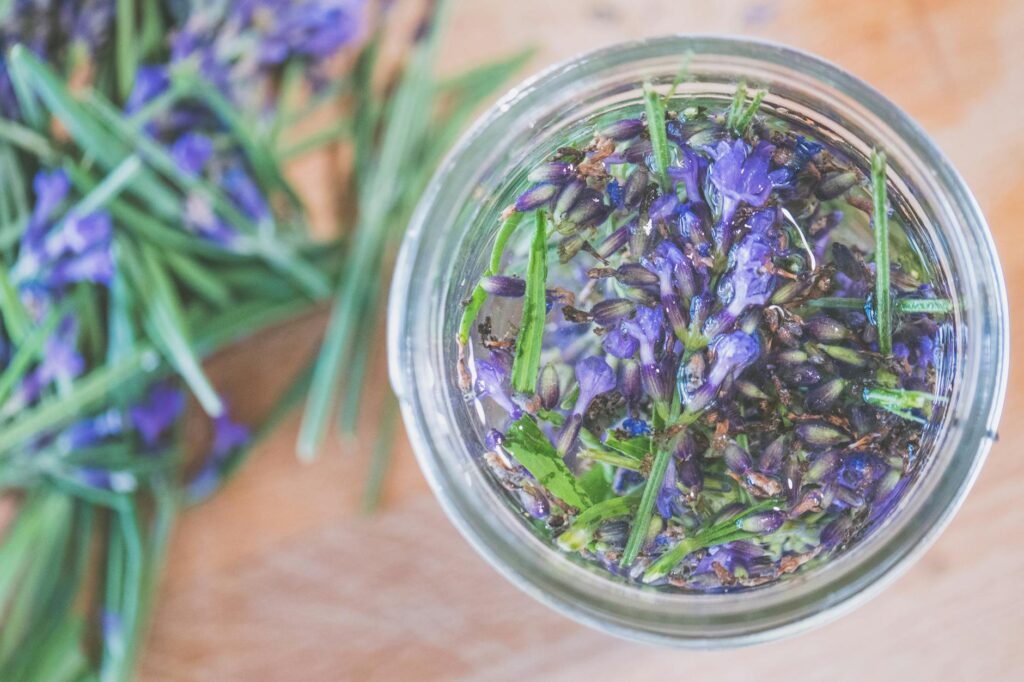
Herbal infused balms are topical preparations created by infusing carrier oils with various herbs, allowing the beneficial properties of the herbs to be extracted and preserved. The infusion process typically involves steeping dried herbs in a carrier oil, such as olive oil or coconut oil, for an extended period. This process extracts the therapeutic compounds of the herbs, which are then combined with beeswax to create a semi-solid balm. The resulting product is rich in nutrients and beneficial properties, making it a popular choice for skincare and wellness applications.
Key Benefits and Properties
Herbal infused balms possess a variety of beneficial properties due to the combination of herbs and carrier oils used in their formulation. Some key benefits include:
1. Moisturizing
The oils used in herbal infused balms are often rich in fatty acids, which help to hydrate and nourish the skin. This makes them particularly beneficial for dry or cracked skin.
2. Anti-inflammatory
Certain herbs, such as calendula and chamomile, are known for their anti-inflammatory properties. When infused into a balm, they can help soothe irritated skin and reduce redness.
3. Antimicrobial
Many herbs possess natural antimicrobial properties that can help protect the skin from infections. For example, tea tree and lavender are commonly used for their antibacterial and antifungal benefits.
4. Skin Repair
Herbal infused balms can aid in skin repair due to the presence of vitamins and antioxidants found in the herbs. Ingredients like rosemary and nettle are known for their skin-enhancing qualities, promoting healing and rejuvenation.
5. Aromatic Qualities
Incorporating essential oils into herbal balms adds aromatic benefits that can enhance emotional well-being. Scents like lavender or peppermint can uplift mood and promote relaxation.
Common Uses
Herbal infused balms have a wide range of applications, making them versatile for various needs. Some common uses include:
1. Skin Care
These balms can be applied directly to the skin to moisturize and protect. They are particularly beneficial for areas prone to dryness, such as elbows, knees, and lips.
2. Sore Muscle Relief
Certain herbal blends, such as those containing arnica or ginger, can provide temporary relief from muscle soreness when massaged into affected areas.
3. Minor Cuts and Scrapes
The healing properties of many herbs make herbal infused balms suitable for treating minor wounds. They can promote faster healing and reduce the risk of infection.
4. Bug Bite Relief
Balms infused with herbs like calendula or witch hazel can soothe itching and irritation caused by insect bites.
5. Aromatherapy
Many herbal balms can be used in aromatherapy practices, providing both topical benefits and aromatic experiences. Applying a balm with calming scents can enhance relaxation and stress relief.
Aromatherapy Applications
Aromatherapy is the practice of using aromatic plant extracts for therapeutic benefits. Herbal infused balms can play a significant role in this practice. Here are some ways they can be incorporated:
1. Stress Relief
Balms infused with calming herbs such as lavender, chamomile, or geranium can be applied to pulse points or massaged into the skin to promote relaxation and reduce anxiety.
2. Sleep Support
Blends containing sedative herbs like valerian root or lavender can be applied before bedtime to encourage restful sleep.
3. Focus and Clarity
Herbs such as rosemary and peppermint, known for their stimulating properties, can be used in balms to enhance concentration and mental clarity.
4. Mood Enhancement
Citrus-infused balms, featuring oils like bergamot or sweet orange, can uplift mood and promote a sense of well-being when applied to the skin or inhaled.
Safety Considerations
While herbal infused balms are generally regarded as safe, it is essential to consider the following precautions:
1. Skin Sensitivity
Always perform a patch test before using a new balm, especially for those with sensitive skin. Apply a small amount of the balm to a discreet area and monitor for any adverse reactions.
2. Allergies
Be aware of any allergies to specific herbs or essential oils. Consult ingredient lists carefully and avoid known allergens.
3. Pregnancy and Nursing
Pregnant or nursing individuals should exercise caution and consult with a healthcare professional before using herbal infused balms, as some herbs may not be safe during these periods.
4. Storage
Store balms in cool, dark places to maintain their efficacy. Exposure to heat and light can degrade the quality of the oils and herbs.
Storage and Shelf Life
Proper storage practices are crucial for maintaining the quality of herbal infused balms. Here are some guidelines:
1. Containers
Use airtight containers made of glass or metal to minimize exposure to air and moisture. This helps preserve the balm’s potency.
2. Temperature
Keep balms in a cool, dry place away from direct sunlight. High temperatures can cause the oils to become rancid more quickly.
3. Shelf Life
Typically, herbal infused balms can last anywhere from 6 months to a year, depending on the ingredients used and storage conditions. Regularly check for any changes in smell or texture, which may indicate spoilage.
Frequently Asked Questions
1. Can I make my own herbal infused balm at home?
Yes, making herbal infused balms at home is a straightforward process. You can choose your preferred herbs and oils to create a personalized balm that suits your needs.
2. What carrier oils are best for infusion?
Common carrier oils for herbal infusions include olive oil, coconut oil, almond oil, and jojoba oil. Each oil has its unique properties, so choose one that complements the herbs you are using.
3. Can I use herbal infused balms on my face?
While some herbal infused balms can be used on the face, it is advisable to choose lighter formulations specifically designed for facial skin, as some balms may be too heavy or contain comedogenic ingredients.
4. How much balm should I use?
A small amount is usually sufficient. Apply a thin layer to the desired area and massage gently into the skin.
5. Are there any contraindications for using herbal infused balms?
Certain herbs may interact with medications or may not be suitable for individuals with specific health conditions. Always consult a knowledgeable practitioner if you are unsure.
Conclusion
Herbal infused balms represent a harmonious blend of nature’s gifts and practical application. With their moisturizing, anti-inflammatory, and aromatic properties, these balms serve as a valuable addition to natural skincare and wellness routines. Understanding their benefits and uses can empower you to make informed choices about incorporating these versatile products into your daily life. As interest in herbal remedies continues to grow, herbal infused balms stand out as a testament to the enduring relationship between humans and the plant kingdom.