
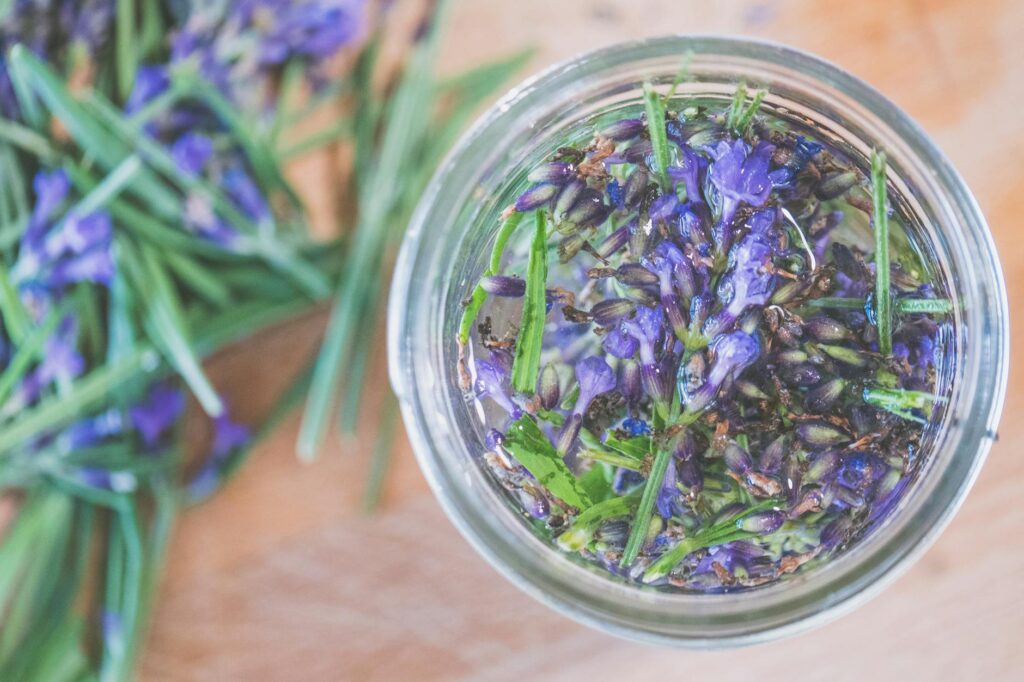
Benefits of Herbal Infused Beverages
Introduction
Herbal infused beverages have garnered significant attention in recent years, celebrated for their unique flavors and potential health benefits. These drinks, which blend various herbs and botanicals with water or other liquids, offer a refreshing alternative to traditional beverages. From a soothing cup of chamomile tea to invigorating mint-infused water, the possibilities are vast. This article explores the essence of herbal infused beverages, highlighting their benefits, applications, and other essential information.
What Is Herbal Infused Beverages?
Herbal infused beverages are drinks made by steeping herbs, flowers, fruits, or spices in hot or cold water, allowing the flavors and beneficial properties of the ingredients to extract into the liquid. Unlike conventional teas, which are typically made from the Camellia sinensis plant, herbal infusions can utilize a broad array of botanicals, encompassing everything from aromatic herbs to dried fruits.
The infusion process can vary in technique and duration, influencing the flavor and potency of the resulting beverage. Herbal infusions can be enjoyed hot or cold and may serve various purposes, from hydration to relaxation.
Key Benefits and Properties
Herbal infused beverages offer numerous benefits, largely stemming from the diverse range of herbs used in their preparation. Here are some key properties and potential benefits:
1. Hydration
One of the most fundamental benefits of herbal infused beverages is hydration. Many herbal infusions are composed mainly of water, making them an excellent way to maintain optimal hydration levels throughout the day.
2. Nutrient-Rich
Many herbs contain vitamins, minerals, and antioxidants that may contribute to overall well-being. For example, hibiscus is rich in vitamin C, while peppermint offers a refreshing flavor and may aid digestion.
3. Digestive Support
Certain herbal infusions are known for their potential digestive benefits. Herbs such as ginger, peppermint, and fennel can help ease digestive discomfort and promote a healthy gut.
4. Calming Effects
Herbs like chamomile and lemon balm are renowned for their calming properties. Consuming these infusions can provide a sense of relaxation, making them ideal for winding down after a long day.
5. Cognitive Benefits
Some herbal beverages, such as those made with rosemary or ginkgo biloba, may support cognitive function and mental clarity. These herbs are thought to enhance memory and concentration.
6. Antioxidant Properties
Many herbs are rich in antioxidants, which can help combat oxidative stress in the body. Ingredients like green tea and hibiscus may contribute to improved overall health by neutralizing harmful free radicals.
Common Uses
Herbal infused beverages can be enjoyed in various contexts and for numerous reasons:
1. Culinary Uses
Herbal infusions can elevate culinary experiences. They can serve as a base for cocktails or mocktails, enhance the flavor of soups and stews, or even be incorporated into desserts.
2. Wellness and Self-Care
Many individuals turn to herbal infusions as part of a self-care routine. Whether it’s a calming cup of chamomile before bed or a refreshing mint drink to start the day, these beverages can promote mindfulness and relaxation.
3. Social Gatherings
Herbal infused beverages can serve as delightful offerings during social gatherings. They provide a flavorful, non-alcoholic alternative to traditional drinks and can be easily customized to suit various tastes.
4. Seasonal Variations
Herbal infusions can be adapted to the seasons, utilizing fresh herbs in the summer and dried varieties in the winter. Seasonal ingredients can enhance flavors and provide a connection to the changing environment.
Aromatherapy Applications
Aromatherapy, the practice of using essential oils for therapeutic purposes, can complement the experience of herbal infused beverages. While herbal infusions primarily focus on the benefits of the herbs themselves, the aromatic properties can enhance the overall experience.
1. Enhancing Mood
The scent of certain herbs can evoke specific emotions or memories. For instance, the aroma of lavender can evoke tranquility, while citrus scents can uplift the mood. Pairing herbal beverages with essential oils in a diffuser can create a holistic sensory experience.
2. Creating Atmosphere
Incorporating herbal infused beverages into an aromatherapy session can enhance the ambiance. The scent of the herbs can contribute to a calming environment, making it ideal for relaxation or meditation.
3. Synergy with Essential Oils
Certain herbs used in infusions can complement essential oils. For example, a peppermint infusion can pair well with peppermint essential oil, creating a more potent and enjoyable aromatic experience.
Safety Considerations
While herbal infused beverages are generally safe for most individuals, it is essential to be aware of certain safety considerations:
1. Allergies
Some individuals may have allergies or sensitivities to specific herbs. It is crucial to be aware of any potential allergens before consuming herbal infusions.
2. Interactions with Medications
Certain herbs can interact with medications, potentially altering their effectiveness. It is advisable to consult a healthcare professional if you are taking prescribed medications and plan to incorporate herbal infusions into your routine.
3. Pregnancy and Lactation
Pregnant or nursing individuals should exercise caution when consuming herbal infused beverages, as some herbs may not be safe during these periods. Always consult a healthcare provider for personalized guidance.
4. Quality of Ingredients
Using high-quality, organic herbs is essential for ensuring the safety and effectiveness of herbal infusions. Contaminated or low-quality ingredients can pose health risks.
Storage and Shelf Life
Proper storage is critical to maintaining the quality and flavor of herbal infused beverages:
1. Refrigeration
Once prepared, herbal infusions should be stored in the refrigerator and consumed within a few days to ensure freshness.
2. Containers
Glass containers are preferable for storage, as they do not leach chemicals into the beverage. Ensure that the container is airtight to prevent exposure to air and light, which can degrade the infusion.
3. Dried Herbs
If using dried herbs, store them in a cool, dark place in airtight containers. Properly stored dried herbs can retain their potency for several months to a year, depending on the herb.
Frequently Asked Questions
1. How do I make herbal infused beverages?
To make an herbal infusion, steep your chosen herbs in hot water for 5-15 minutes, depending on the desired strength. Strain the mixture, and enjoy hot or cold.
2. Can I use fresh herbs instead of dried?
Yes, fresh herbs can be used to make herbal infusions. Generally, you will need more fresh herbs than dried, as dried herbs are more concentrated in flavor.
3. How can I sweeten my herbal infusion?
Natural sweeteners such as honey, agave, or maple syrup can be added to taste. Start with a small amount and adjust based on your preference.
4. Are there any herbs that should be avoided?
While many herbs are safe for consumption, some may have contraindications or side effects. It is best to research individual herbs or consult a professional for guidance.
5. Can I combine different herbs in one infusion?
Absolutely! Combining herbs can create unique flavors and enhance the overall benefits. Experiment with different combinations to find your favorite blend.
Conclusion
Herbal infused beverages represent a delightful and healthful way to enjoy the benefits of nature’s bounty. From hydration to relaxation, these drinks can cater to a variety of tastes and needs. Understanding the properties, applications, and safety considerations surrounding herbal infusions can enhance your experience and appreciation of these vibrant beverages. As you explore the world of herbal infusions, remember to savor not just the flavors but also the connection to nature they embody.