
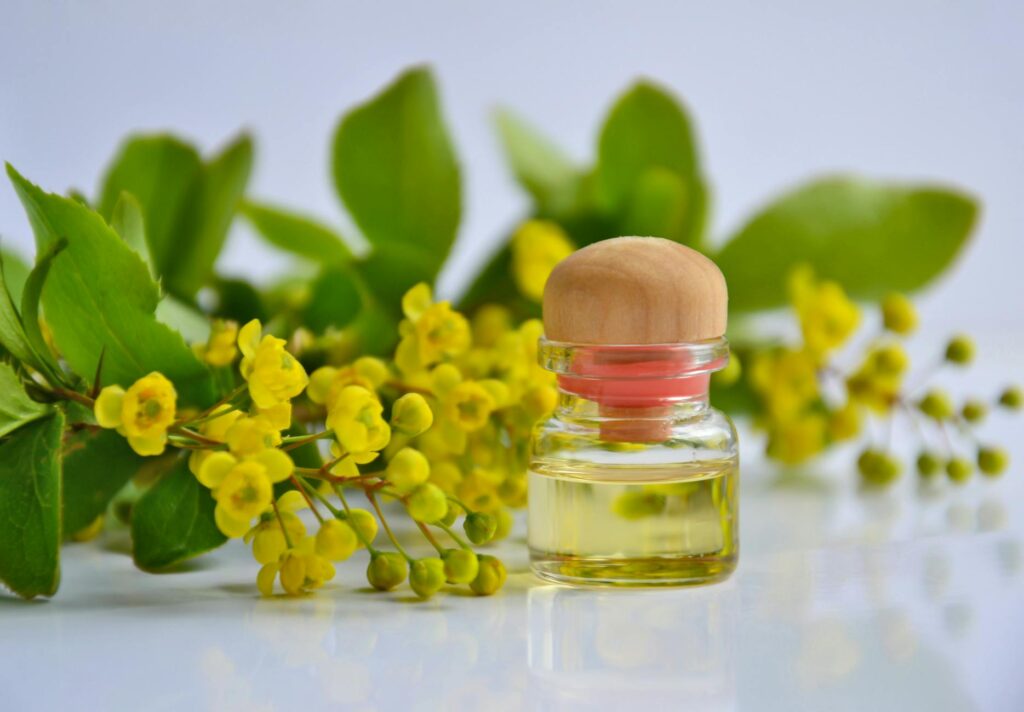
Benefits of Herbal Infused Oils for Aromatherapy Blends
Introduction
Aromatherapy, the practice of using aromatic plant extracts for therapeutic purposes, has gained considerable popularity in recent years. One of the key components of this practice is the use of herbal infused oils. These oils are not only rich in fragrance but also carry the beneficial properties of the herbs used in their preparation. This article delves into the essence of herbal infused oils, their advantages, common uses, and how they can enhance your aromatherapy experience.
What Are Herbal Infused Oils for Aromatherapy Blends?
Herbal infused oils are created by steeping herbs in a carrier oil, allowing the oil to extract and retain the beneficial properties and aromatic compounds of the plants. The process typically involves using a base oil, such as olive, jojoba, or sweet almond oil, which serves as a medium for the infusion. The selection of herbs can vary widely, from common culinary herbs like rosemary and basil to more aromatic plants such as lavender and chamomile.
The infusion process can take place through several methods: cold infusion, hot infusion, or by using a slow cooker. Each method has its own advantages, but the goal remains the same: to extract the essence of the herbs into the oil. The resulting herbal infused oil can then be used as a base for aromatherapy blends, enhancing their effectiveness and scent profile.
Key Benefits and Properties
Herbal infused oils come with a myriad of benefits that make them valuable in aromatherapy:
1. Enhanced Aroma
The infusion process captures the fragrance of the herbs, resulting in a richly aromatic oil that can elevate the sensory experience. Each herb brings its unique scent, allowing for a wide range of aromatic combinations.
2. Therapeutic Properties
Many herbs possess natural therapeutic properties, such as anti-inflammatory, calming, or uplifting effects. For example, lavender is often associated with relaxation, while rosemary is known for its invigorating qualities. When infused into oils, these properties can enhance the overall effectiveness of aromatherapy blends.
3. Versatility
Herbal infused oils can be blended with essential oils to create customized formulations tailored to specific needs or preferences. This versatility allows practitioners to adapt their blends for various situations, whether for stress relief, mood enhancement, or skin care.
4. Natural Ingredients
Using herbal infused oils aligns with a holistic approach to wellness. They are often made from natural, plant-based ingredients, making them suitable for those seeking alternatives to synthetic fragrances or chemicals.
Common Uses
Herbal infused oils can be utilized in a variety of ways within the realm of aromatherapy and beyond:
1. Massage Oils
Blending herbal infused oils with essential oils can create effective massage oils, harnessing both the aromatic and therapeutic benefits of the ingredients.
2. Skin Care
These oils can also be used in skin care routines. The nourishing properties of the carrier oil, combined with the benefits of the infused herbs, can help maintain skin health.
3. Bath Additives
Adding herbal infused oils to bathwater can create a relaxing and aromatic bathing experience. They can help soothe muscles and provide a calming atmosphere.
4. Diffusion
When blended with essential oils, herbal infused oils can be used in diffusers to disperse their aroma throughout a space, enhancing the ambiance and promoting emotional well-being.
Aromatherapy Applications
Herbal infused oils can be applied in various aromatherapy practices:
1. Blending
Creating custom blends is a key aspect of aromatherapy. By combining herbal infused oils with essential oils, practitioners can develop unique formulations that cater to individual preferences or needs.
2. Inhalation
Inhalation is a common aromatherapy method. A few drops of herbal infused oil can be added to a tissue or cotton ball and inhaled for a quick aromatic experience.
3. Compresses
Herbal infused oils can be used in warm or cold compresses. Soaking a cloth in a mixture of herbal infused oil and water can provide localized benefits and enhance relaxation.
4. Room Sprays
Creating a room spray with herbal infused oils can help to freshen the air and create a pleasant atmosphere. Mixing the oil with distilled water and a small amount of alcohol in a spray bottle can yield a refreshing home fragrance.
Safety Considerations
While herbal infused oils are generally safe for use, there are several important safety considerations to keep in mind:
1. Skin Sensitivity
Before applying any herbal infused oil to the skin, a patch test is advisable. Apply a small amount to an inconspicuous area and wait 24 hours to check for any adverse reactions.
2. Allergies
Individuals with allergies to specific herbs should exercise caution and avoid using those particular infused oils. Always read labels and ingredient lists carefully.
3. Dilution
When using herbal infused oils in blends, it is essential to dilute them properly. This is especially important for individuals with sensitive skin or for those applying the oil on children.
4. Consultation
For individuals with existing health conditions or those who are pregnant or nursing, it is recommended to consult with a healthcare provider before using herbal infused oils.
Storage and Shelf Life
Proper storage of herbal infused oils is crucial to maintaining their quality and efficacy:
1. Storage
Store herbal infused oils in a cool, dark place, away from direct sunlight and heat sources. Dark glass bottles are preferred, as they help protect the oil from light exposure.
2. Shelf Life
The shelf life of herbal infused oils can vary depending on the carrier oil used and the herbs infused. Generally, they can last anywhere from six months to a year. Regularly check for signs of rancidity, such as off-smells or changes in color.
Frequently Asked Questions
1. How do I make herbal infused oil at home?
To make herbal infused oil, choose your desired herbs and carrier oil. Combine them in a jar, ensuring the herbs are fully submerged in the oil. Seal the jar and place it in a warm, sunny spot for about 2-6 weeks, shaking it gently every few days. Strain the herbs from the oil once the infusion is complete.
2. Can I use any herbs for infusion?
Most culinary or aromatic herbs can be used for infusion, but it’s best to avoid toxic plants. Popular choices include lavender, chamomile, rosemary, and peppermint.
3. Are herbal infused oils the same as essential oils?
No, herbal infused oils are not the same as essential oils. While essential oils are concentrated extracts obtained through distillation or cold pressing, herbal infused oils are created by steeping herbs in a carrier oil, capturing a wider range of compounds.
4. Can I ingest herbal infused oils?
Ingesting herbal infused oils is not generally recommended unless specifically formulated for consumption. Always consult a healthcare professional before considering any internal use of oils.
Conclusion
Herbal infused oils offer a rich, aromatic, and versatile addition to the practice of aromatherapy. By combining the therapeutic properties of herbs with the nourishing qualities of carrier oils, these infused oils serve as a valuable resource for enhancing well-being. Whether used in massage, skin care, or diffusion, the benefits of herbal infused oils are both profound and expansive, making them a worthy consideration for anyone looking to explore the world of aromatherapy.