
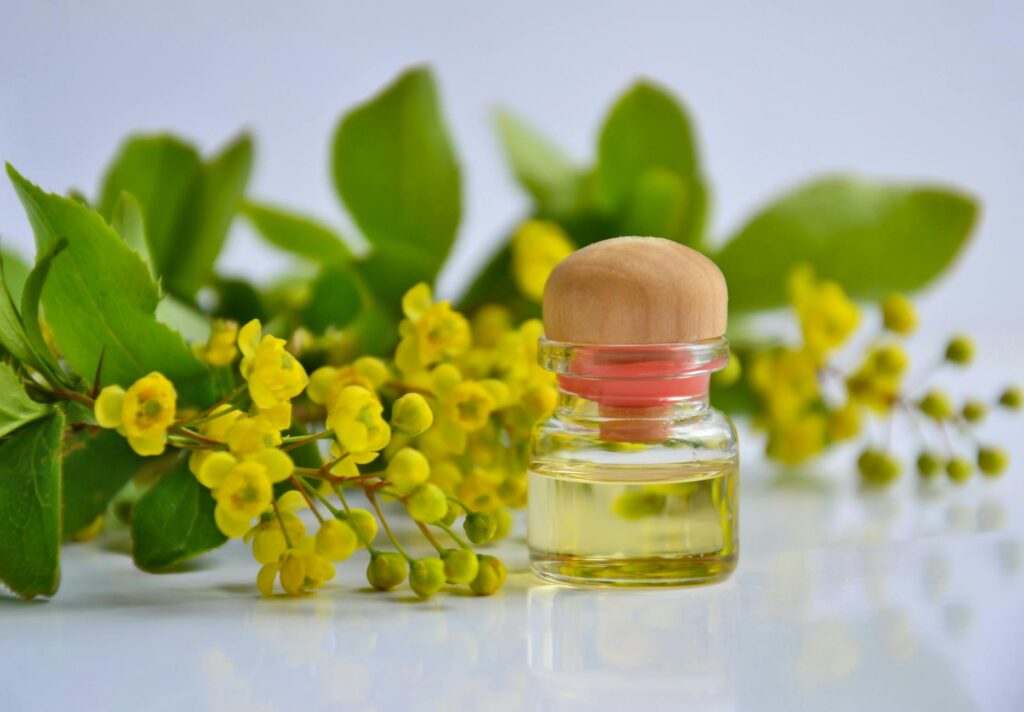
Benefits of Herbal Infused Oils for Aromatherapy
Introduction
Aromatherapy, the practice of using plant-derived essential oils to promote physical and emotional well-being, has gained popularity across the globe. Among the myriad of aromatic products, herbal infused oils stand out for their versatility and rich therapeutic properties. These oils, created by infusing carrier oils with various herbs, not only carry the scent of the plants from which they derive but also contain many of their beneficial compounds. This article will explore the concept of herbal infused oils, their benefits, common uses, and safety considerations.
What Are Herbal Infused Oils for Aromatherapy?
Herbal infused oils are created by steeping herbs in a carrier oil, allowing the active constituents of the herbs to be extracted and incorporated into the oil. Common carrier oils include olive oil, jojoba oil, and sweet almond oil, chosen for their ability to absorb and retain the properties of the herbs. The process typically involves a few key steps:
1. Selecting Herbs: Common choices include lavender, chamomile, rosemary, and calendula, each offering unique properties.
2. Infusion Process: The herbs are added to the carrier oil and allowed to steep for a period, often several weeks. This can be done through a cold infusion method (where the mixture is left in a dark place) or a warm infusion method (where gentle heat accelerates the infusion).
3. Straining: After the infusion period, the herbs are strained out, leaving behind an aromatic oil that embodies the essence of the infused herbs.
These oils can be utilized in various applications, making them an integral part of aromatherapy practices.
Key Benefits and Properties
Herbal infused oils are celebrated for their multifaceted benefits. Some of the key properties include:
1. Therapeutic Qualities
- Relaxation and Stress Relief: Many herbs, such as lavender and chamomile, are renowned for their calming effects, which can help alleviate stress and promote relaxation.
- Anti-inflammatory Properties: Herbs like calendula and rosemary possess anti-inflammatory properties that can soothe irritation and support skin health.
- Antioxidant Effects: Certain herbs are rich in antioxidants, helping to combat free radicals and promote overall skin vitality.
- Moisturization: Carrier oils such as jojoba and sweet almond oil are excellent moisturizers, while herbs like calendula and lavender can enhance the oil’s hydrating properties.
- Wound Healing: Some infused oils can support skin healing, making them suitable for minor cuts, abrasions, or irritations.
2. Improved Skin Health
Infused oils can be beneficial for various skin types. For instance:
3. Aromatic Benefits
The scent of herbal infused oils can evoke emotions and memories, enhancing the overall aromatherapy experience. The olfactory system is closely linked to the limbic system, the part of the brain that governs emotions, making these oils valuable for emotional well-being.
Common Uses
Herbal infused oils can be employed in various ways, including:
1. Massage Oils
Due to their skin-friendly properties, herbal infused oils are often used for massages. They can help ease muscle tension while providing a delightful aroma.
2. Skin Care
These oils can be applied directly to the skin or blended with other skincare products to enhance their benefits. They can serve as a base for homemade lotions, salves, and creams.
3. Bath Oils
Adding herbal infused oils to bathwater can create a soothing and aromatic experience, helping to promote relaxation and enhance the bathing ritual.
4. Diffusion
While primarily designed for topical use, some herbal infused oils can be added to a diffuser to release their scents into the air, enhancing the ambiance and promoting emotional well-being.
Aromatherapy Applications
The application of herbal infused oils in aromatherapy is diverse and can be tailored to individual needs. Here are some common methods:
1. Topical Application
When applied to the skin, herbal infused oils can deliver localized benefits. It is advisable to perform a patch test to rule out any allergic reactions before widespread use.
2. Inhalation
Inhalation can be achieved by placing a few drops of the infused oil on a cotton ball, handkerchief, or directly into a diffuser. This method can help promote emotional balance and relaxation.
3. Bathing
Incorporating herbal infused oils into a warm bath not only enhances the bathing experience but also allows for absorption through the skin. This method can be particularly beneficial for relaxation and stress relief.
4. Culinary Uses
Some herbal infused oils, especially those made with culinary herbs like basil or oregano, can be used in cooking, adding flavor and aromatic qualities to dishes.
Safety Considerations
While herbal infused oils offer a range of benefits, it is crucial to observe safety considerations:
1. Skin Sensitivity
Always conduct a patch test before applying any infused oil to larger areas of the skin. Some individuals may have sensitivities to particular herbs.
2. Quality of Ingredients
Ensure that the herbs and carrier oils used are of high quality and free from pesticides and contaminants. Organic or wildcrafted ingredients are often preferable.
3. Dilution
When using herbal infused oils for topical applications, it is advisable to dilute them with a carrier oil to minimize the risk of skin irritation.
4. Consultation
For individuals with specific health concerns or conditions, consulting with a qualified professional is recommended before incorporating herbal infused oils into their routine.
Storage and Shelf Life
Proper storage is essential to maintain the quality of herbal infused oils. Here are some tips:
1. Storage Conditions
Store infused oils in a cool, dark place, away from direct sunlight and heat sources. This helps preserve their aromatic and therapeutic properties.
2. Container Type
Use dark glass containers to minimize light exposure, which can degrade the oil. Ensure the container is airtight to prevent oxidation.
3. Shelf Life
The shelf life of herbal infused oils can vary depending on the type of carrier oil used and the herbs infused. Generally, infused oils can last between six months to a year. Regularly check for any changes in color, smell, or texture, which may indicate spoilage.
Frequently Asked Questions
1. Can I make my own herbal infused oils at home?
Yes, making herbal infused oils at home is a simple and rewarding process. Ensure you use high-quality herbs and carrier oils, and follow proper hygiene practices during preparation.
2. What is the difference between herbal infused oils and essential oils?
Herbal infused oils are created by infusing herbs in carrier oils, extracting their properties. In contrast, essential oils are concentrated extracts derived from plant materials through distillation or cold pressing.
3. Can herbal infused oils be used in cooking?
Yes, some herbal infused oils, particularly those made with culinary herbs, can be used in cooking. Always ensure the herbs used are safe for consumption.
4. Is it safe to use herbal infused oils during pregnancy?
While some herbal infused oils may be safe during pregnancy, others may not be advisable. It is essential to consult with a healthcare professional before using any new products during pregnancy.
5. Can I mix different herbal infused oils?
Yes, blending different herbal infused oils can create unique scents and potential benefits. However, it is wise to research each component to ensure compatibility and avoid adverse reactions.
Conclusion
Herbal infused oils offer a wealth of benefits for those interested in aromatherapy and natural wellness. By understanding their properties, uses, and safe application methods, individuals can enrich their experiences and enhance their well-being. Whether used for relaxation, skin care, or simply to enjoy delightful aromas, these oils serve as a testament to the power of nature in our everyday lives.