
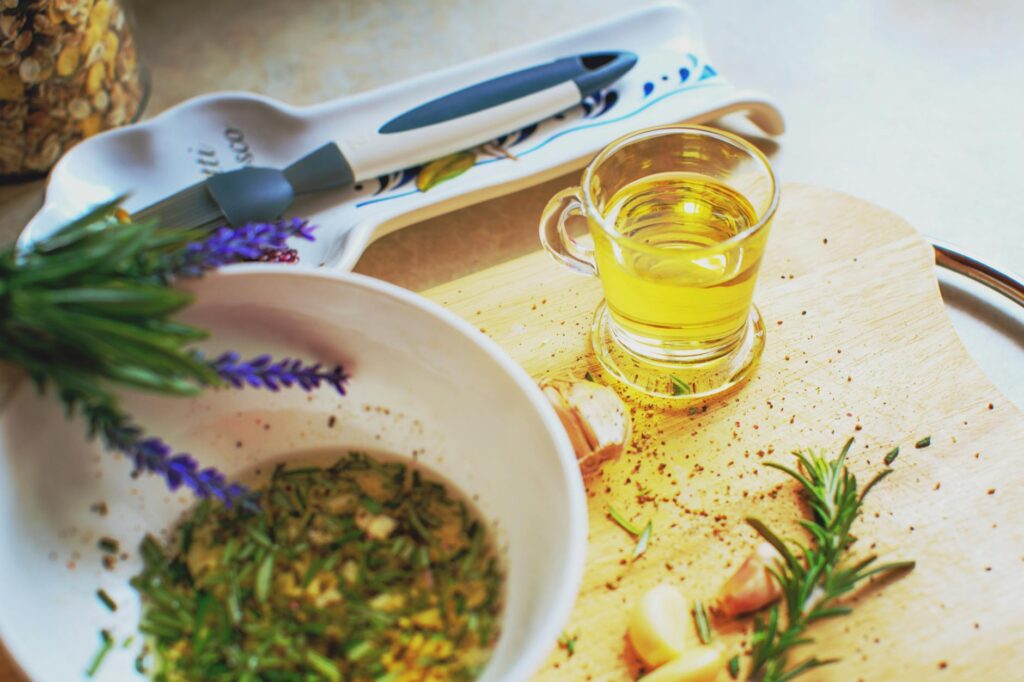
Benefits of Herbal Infused Oils for Cooking with Culinary Herbs
Introduction
Herbal infused oils have gained popularity in culinary practices, offering a unique way to enhance flavors and introduce the aromatic properties of herbs into everyday cooking. These oils are not only a delightful addition to various dishes but also serve as a bridge between cooking and the broader realm of aromatherapy. This article will explore what herbal infused oils are, their benefits, common uses, and safety considerations, providing a comprehensive understanding of their role in culinary arts.
What Is Herbal Infused Oils for Cooking with Culinary Herbs?
Herbal infused oils are created by steeping culinary herbs in a carrier oil, allowing the flavors, aromas, and beneficial properties of the herbs to permeate the oil. Common carrier oils include olive oil, grapeseed oil, sunflower oil, and avocado oil, each bringing its own unique characteristics to the infusion.
The process typically involves:
1. Choosing the Herbs: Common culinary herbs include basil, rosemary, thyme, oregano, and sage. The choice of herbs can depend on personal preference or the intended culinary application.
2. Preparing the Herbs: Fresh herbs are often preferred, although dried herbs can also be used. The herbs may be bruised or chopped to enhance the infusion process.
3. Infusing the Oil: The prepared herbs are combined with the oil and left to steep for a designated period, usually ranging from a few days to a couple of weeks. The infusion can occur at room temperature or with gentle heat, depending on the desired intensity.
4. Straining: After the infusion period, the oil is strained to remove the solid herb particles, resulting in a fragrant and flavorful oil ready for culinary use.
Key Benefits and Properties
Herbal infused oils provide several benefits that enhance culinary experiences:
1. Flavor Enhancement
Infused oils capture the essence of the herbs, allowing for a concentrated flavor that can elevate dishes. A drizzle of infused oil can transform simple ingredients into gourmet creations, adding depth and complexity to salads, marinades, and sauces.
2. Nutritional Value
Culinary herbs are known for their various nutritional properties. Infused oils can retain some of these attributes, offering antioxidants and vitamins that contribute to a balanced diet. For example, basil is rich in vitamin K, while rosemary contains anti-inflammatory compounds.
3. Aromatherapy Benefits
The aromatic properties of the herbs can influence mood and create a pleasant cooking environment. The infusion process allows for the release of essential oils from the herbs, providing a sensory experience that can enhance culinary enjoyment.
4. Versatility in Cooking
Herbal infused oils can be used in a variety of culinary applications, from cooking and baking to dressings and finishing oils. This versatility makes them a valuable addition to any kitchen.
5. Preservation of Herbs
Infusing oils is a method of preserving culinary herbs, extending their usability and reducing waste. By creating an infused oil, cooks can enjoy the flavors of seasonal herbs throughout the year.
Common Uses
Herbal infused oils can be employed in numerous ways in the kitchen:
1. Cooking and Sautéing
Infused oils can serve as a flavorful base for sautéing vegetables, meats, or seafood. For instance, garlic-infused olive oil can enhance the taste of sautéed greens or pasta dishes.
2. Dressings and Marinades
Infused oils are perfect for salad dressings and marinades, adding an extra layer of flavor. A balsamic vinaigrette made with thyme-infused oil can elevate a simple salad.
3. Finishing Touches
Drizzling infused oil over finished dishes can enhance their presentation and flavor. For example, rosemary-infused oil can add a fragrant touch to roasted potatoes or grilled vegetables.
4. Dipping Oils
Herbal infused oils can be served as dipping sauces for bread, adding a gourmet touch to appetizers. A mixture of chili-infused olive oil can provide a spicy kick to crusty bread.
5. Baking
Infused oils can also be used in baking, imparting subtle flavors to breads, muffins, or cakes. Lemon-infused oil can add a refreshing zest to baked goods.
Aromatherapy Applications
In addition to cooking, herbal infused oils can have applications in aromatherapy. The process of infusion captures the essence of the herbs, releasing their aromatic compounds. While these oils are primarily intended for culinary use, they may also be used in a few ways within aromatherapy:
1. Diffusion
Although not as common as essential oils, herbal infused oils can be used in oil diffusers to create a pleasant scent in living spaces. For example, a blend of basil and lemon-infused oils can provide a fresh, uplifting aroma.
2. Massage Oils
When combined with appropriate carrier oils, herbal infused oils can be used for topical applications, such as massage. A rosemary-infused oil may offer a soothing scent during a massage experience.
3. Bath Additives
Adding herbal infused oils to bathwater can create a relaxing atmosphere. A few drops of lavender-infused oil can provide a calming effect during a bath.
Safety Considerations
While herbal infused oils are generally safe for culinary use, there are some important considerations to keep in mind:
1. Quality of Ingredients
Use high-quality, food-grade oils and fresh herbs to ensure safety and flavor. Avoid using herbs that show signs of spoilage.
2. Storage and Shelf Life
Infused oils should be stored in a cool, dark place to maintain their quality. The shelf life can vary depending on the type of oil and herbs used, but most infused oils are best used within six months to one year.
3. Allergies and Sensitivities
Individuals with allergies or sensitivities to certain herbs should take caution when using herbal infused oils. Always perform a patch test if using for topical purposes.
4. Botulism Risk
There is a potential risk of botulism if infused oils are prepared improperly, particularly when using fresh herbs. To mitigate this risk, ensure all equipment is sterilized, and store the oils correctly.
Storage and Shelf Life
To maximize the shelf life and quality of herbal infused oils:
1. Use Dark Glass Bottles: Store oils in dark glass containers to protect them from light, which can degrade their quality.
2. Keep Cool: Store infused oils in a cool, dark pantry or refrigerator to extend their freshness.
3. Label and Date: Clearly label the bottles with the herb used and the date of infusion to keep track of freshness.
4. Check for Signs of Spoilage: Regularly check the oils for any off smells or changes in appearance, as these can be indicators of spoilage.
Frequently Asked Questions
1. Can I use dried herbs for infusing oils?
Yes, dried herbs can be used for infusing oils, though they may yield a slightly different flavor profile compared to fresh herbs. Ensure that dried herbs are of high quality to achieve optimal results.
2. How long should I infuse the herbs in the oil?
The infusion period can vary, but typically, 1-2 weeks is recommended for cold infusions. If using gentle heat, the infusion time can be reduced to a few hours.
3. Can I use infused oils for frying?
Herbal infused oils generally have a lower smoke point than pure oils, making them less suitable for high-heat frying. Instead, use them for sautéing or as finishing oils.
4. Is it safe to use infused oils for topical applications?
While herbal infused oils can be used for topical applications, it is essential to ensure that they are made with food-grade ingredients and are free from contaminants. Always perform a patch test before applying to the skin.
5. How do I know if my infused oil has gone bad?
Signs of spoilage can include off smells, cloudiness, or a change in color. If you notice any of these signs, it is best to discard the oil.
In conclusion, herbal infused oils represent a delightful intersection of culinary art and the aromatic world of herbs. By understanding their benefits, uses, and safety considerations, cooks can incorporate these flavorful oils into their kitchens, enriching their culinary experiences and embracing the essence of nature’s bounty.