
Benefits of Herbal Infused Oils for Hair Care
Introduction
In recent years, there has been a resurgence of interest in natural remedies and holistic approaches to beauty and self-care. Among these, herbal infused oils have garnered significant attention for their potential benefits in hair care. These oils, which harness the therapeutic properties of various herbs, can be used to nourish, strengthen, and revitalize hair. This article explores the nature of herbal infused oils, their benefits, common uses, and applications in aromatherapy, as well as safety considerations and storage tips.
What Are Herbal Infused Oils for Hair Care?
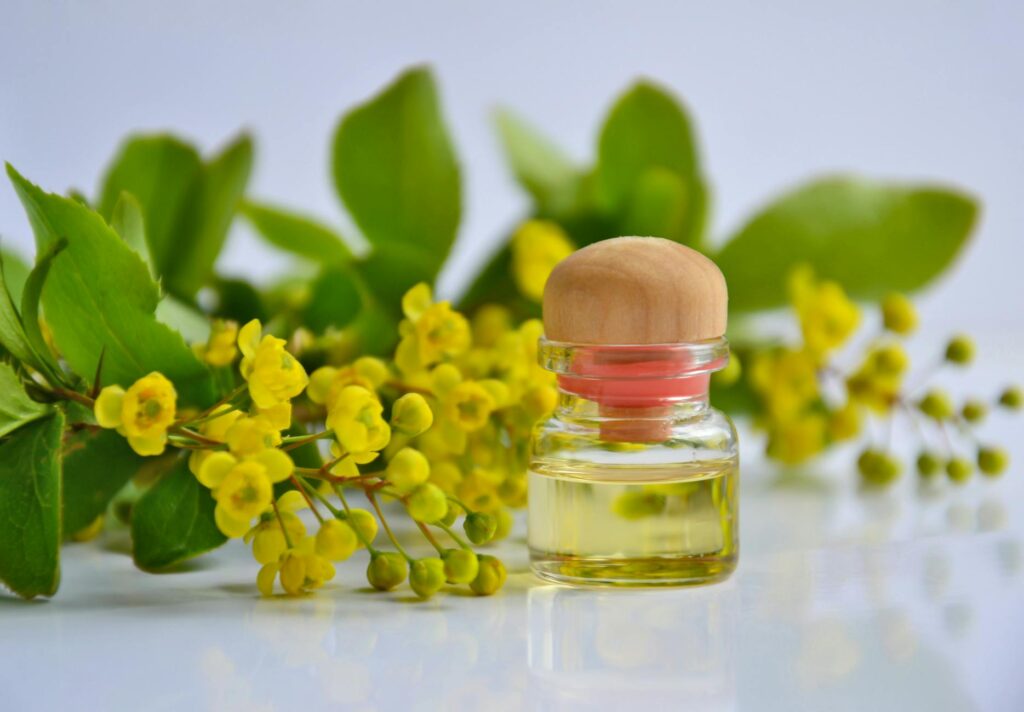
Herbal infused oils are oils that have been steeped in various herbs or botanicals to extract their beneficial properties. The process typically involves combining a carrier oil, such as jojoba, coconut, or olive oil, with dried herbs. The mixture is then left to infuse over a period of time, allowing the nutrients, essential oils, and other beneficial compounds from the herbs to be absorbed into the carrier oil.
The resulting herbal infused oil can be used in various ways, particularly for hair care. Depending on the herbs selected for infusion, these oils may provide a range of benefits that contribute to healthier hair and scalp.
Key Benefits and Properties
1. Nourishment and Hydration
Herbal infused oils are rich in essential fatty acids, vitamins, and antioxidants, which can nourish the hair and scalp. Ingredients like rosemary and nettle are known for their nutrient-dense profiles, which can hydrate dry or damaged hair, making it softer and more manageable.
2. Strengthening Hair
Certain herbs, such as horsetail and amla, are known for their high silica content and are often used to strengthen hair strands. Regular application of herbal infused oils containing these ingredients can help reduce breakage, promote elasticity, and support overall hair health.
3. Scalp Health
A healthy scalp is fundamental to healthy hair growth. Herbal infused oils can help maintain scalp health by providing anti-inflammatory, antimicrobial, and soothing properties. Herbs like tea tree and peppermint are known to address common scalp issues, including dandruff and itchiness.
4. Enhanced Shine
The nourishing qualities of herbal infused oils can impart a natural shine to hair. Oils infused with hibiscus or calendula can help enhance luster and improve the overall appearance of hair, making it look vibrant and healthy.
5. Natural Fragrance
Herbal infused oils carry the natural aromas of the herbs used in the infusion. This can provide a pleasant scent to hair, making them an appealing alternative to synthetic fragrances found in many commercial hair care products.
Common Uses
1. Scalp Massage
Using herbal infused oils for scalp massages can stimulate blood circulation, promoting hair growth while providing relaxation. Massaging the oil into the scalp can also help relieve stress and tension.
2. Hair Treatments
Herbal infused oils can be used as a deep conditioning treatment. Applying the oil to hair and leaving it on for several hours or overnight can result in deeply moisturized hair.
3. Leave-In Conditioner
Diluted herbal infused oils can be used as a leave-in conditioner. A few drops can be applied to damp hair to help detangle, smooth frizz, and add shine without weighing the hair down.
4. Hot Oil Treatments
Warm herbal infused oils can be applied to hair and scalp for a nourishing hot oil treatment. This method enhances absorption and can provide an extra boost of hydration and nourishment.
5. Hair Growth Serums
Formulations that include herbs known for promoting hair growth, such as fenugreek and rosemary, can be used as serums to help stimulate hair follicles and potentially enhance growth.
Aromatherapy Applications
In addition to their benefits for hair care, herbal infused oils can also be integrated into aromatherapy practices. The scents of the infused oils can enhance relaxation and promote emotional well-being. For example:
1. Stress Relief
Herbs such as lavender and chamomile are well-regarded for their calming properties. Infusing these herbs in oils can create a soothing blend that can be used in massage or added to a bath.
2. Uplifting Mood
Citrus-infused oils, such as those made with lemon or orange peel, can offer uplifting scents that may enhance mood and promote a sense of joy.
3. Meditation Aids
Herbal infused oils can be used in meditation or mindfulness practices. The scents can help create a calming environment, allowing for deeper relaxation and focus.
Safety Considerations
While herbal infused oils can offer numerous benefits, it is essential to approach their use with care:
1. Allergies
Before using any herbal infused oil, it is crucial to perform a patch test to check for any allergic reactions. Different individuals may react differently to various herbs.
2. Quality of Ingredients
Ensure that the carrier oils and herbs used in the infusion are of high quality. Organic and sustainably sourced products are recommended to avoid exposure to harmful chemicals.
3. Dilution
Some infused oils may be potent and should be diluted before application, especially if used on sensitive skin or scalps. It’s advisable to consult reputable sources or professionals for guidance on dilution ratios.
4. Pregnancy and Nursing
Certain herbs may not be safe for use during pregnancy or nursing. It is always best to consult a healthcare professional before using any herbal products in such circumstances.
Storage and Shelf Life
Proper storage of herbal infused oils is essential to maintain their potency and effectiveness:
1. Dark Glass Bottles
Store herbal infused oils in dark glass bottles to protect them from light exposure, which can degrade the quality of the oils.
2. Cool, Dark Place
Keep the oils in a cool, dark place, such as a cupboard or pantry, away from heat sources. High temperatures can lead to rancidity.
3. Shelf Life
Most herbal infused oils have a shelf life of 6 months to 1 year, depending on the carrier oil used and the herbs infused. Regularly check for changes in scent or appearance, as these can indicate spoilage.
Frequently Asked Questions
1. Can I make my own herbal infused oils?
Yes, making your own herbal infused oils is relatively simple. Combine dried herbs with a carrier oil and allow it to steep for several weeks. Ensure to strain the mixture thoroughly before use.
2. Which carrier oils are best for hair care?
Common carrier oils used for hair care include coconut oil, jojoba oil, olive oil, and argan oil. Each has unique properties, so choose based on your specific hair needs.
3. How often should I use herbal infused oils on my hair?
The frequency of use depends on your hair type and needs. Some may benefit from weekly treatments, while others may use it less frequently.
4. Are there any herbs I should avoid for hair care?
Certain herbs may cause irritation or adverse reactions in some individuals. It is essential to research and consult reputable sources before using new herbs, especially if you have sensitive skin.
5. Can I use herbal infused oils on colored or chemically treated hair?
While many herbal infused oils can be beneficial for colored or chemically treated hair, it is recommended to check the specific properties of the oils and herbs being used, as some may affect color retention.
Conclusion
Herbal infused oils present a natural and holistic approach to hair care, offering multiple benefits ranging from nourishment and hydration to enhanced shine and scalp health. By understanding their properties, uses, and safety considerations, individuals can effectively incorporate these oils into their hair care routines. Whether used alone or in conjunction with other natural remedies, herbal infused oils can play a significant role in promoting healthier, more vibrant hair.