
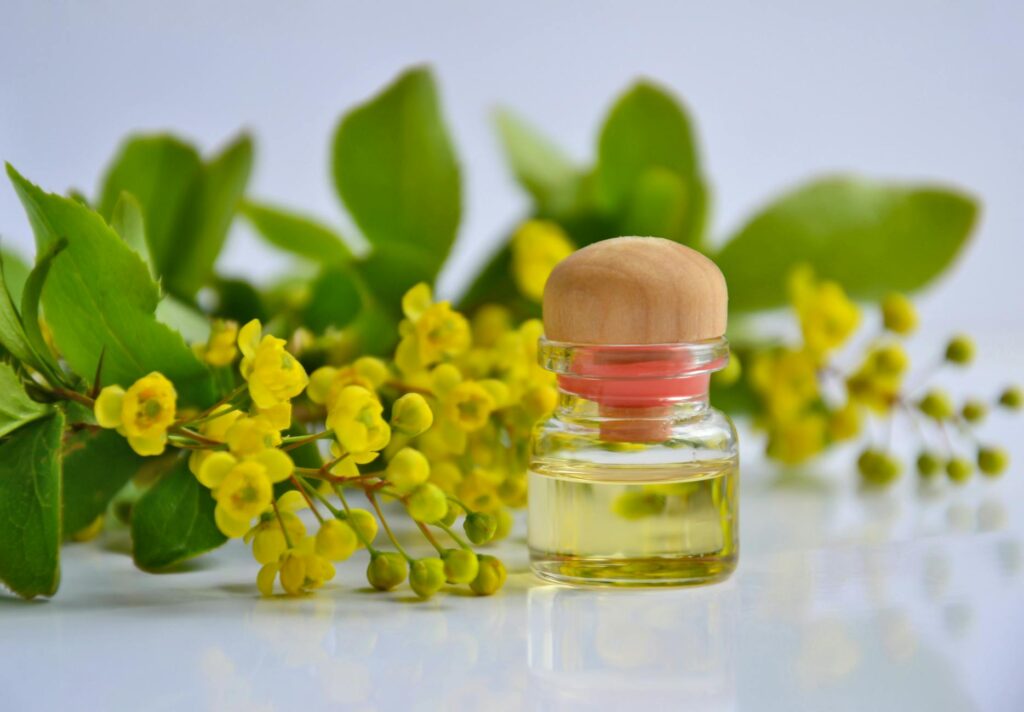
Benefits of Herbal Infused Oils for Skincare
Introduction
Herbal infused oils have garnered attention in recent years for their potential benefits in skincare. These oils, which are created by steeping herbs in a carrier oil, harness the therapeutic properties of the plants, allowing for a variety of applications in cosmetic and therapeutic contexts. This article explores what herbal infused oils are, their key benefits and properties, common uses, aromatherapy applications, safety considerations, storage recommendations, and answers to frequently asked questions.
What Is Herbal Infused Oils for Skincare?
Herbal infused oils are formulated by macerating herbs in a carrier oil, such as olive oil, coconut oil, or sweet almond oil, for an extended period. This process allows the oil to absorb the essential compounds from the herbs, resulting in a product that can be rich in vitamins, antioxidants, and fatty acids. The infusion process may take several weeks or can be accelerated using gentle heat.
The choice of herbs can vary widely, with common options including calendula, chamomile, lavender, and rosemary. Each herb brings its unique properties and benefits, enhancing the overall effectiveness of the oil for skincare.
Key Benefits and Properties
1. Moisturization
Herbal infused oils are often rich in fatty acids, which help to lock in moisture and maintain skin hydration. Ingredients like jojoba oil and sweet almond oil closely mimic the skin’s natural sebum, making them effective moisturizers.
2. Soothing and Calming Effects
Many herbs, such as chamomile and calendula, are renowned for their soothing properties. When infused in oil, they can help calm irritated skin, reduce redness, and alleviate discomfort.
3. Antioxidant Protection
Herbs like rosemary and oregano are packed with antioxidants, which help combat free radicals and may slow the aging process of the skin. This can contribute to a more youthful appearance and healthier skin overall.
4. Anti-Inflammatory Properties
Several herbal infused oils possess anti-inflammatory characteristics, which can be beneficial for conditions such as acne, eczema, or psoriasis. The incorporation of these oils into a skincare regimen may help reduce inflammation and promote healing.
5. Antibacterial and Antifungal Qualities
Certain herbs, such as tea tree and lavender, have well-documented antibacterial and antifungal properties. Infused oils can provide an additional layer of protection against skin infections and irritations.
6. Balancing Skin Tone
Herbal infused oils can aid in balancing oily skin, thanks to their ability to regulate sebum production. Oils like jojoba can help prevent clogged pores while maintaining skin moisture.
7. Nourishment and Repair
The vitamins and minerals contained in the infused oils can nourish the skin, promoting cellular repair and rejuvenation. This makes them suitable for those looking to improve skin texture and elasticity.
Common Uses
Herbal infused oils can be utilized in various skincare applications, including:
1. Facial Oils
A few drops of herbal infused oil can be applied directly to the face, serving as a moisturizer or serum. This method allows for targeted treatment of specific skin concerns.
2. Massage Oils
These oils can be blended with essential oils and used for massage, providing both relaxation and skincare benefits.
3. Body Oils
Herbal infused oils can be applied to the body post-shower to lock in moisture and provide nourishment to the skin.
4. Hair Care
Some infused oils can also be beneficial for hair, promoting scalp health and adding shine and moisture to dry strands.
5. Bath Oils
Adding herbal infused oils to bath water can provide a soothing experience while nourishing the skin.
Aromatherapy Applications
In addition to their topical benefits, herbal infused oils can also be used in aromatherapy. The scent of the herbs can have a calming effect on the mind and body, enhancing relaxation and emotional well-being. When used in diffusers or massage, these oils can create a calming environment, reducing stress and promoting a sense of tranquility.
1. Blending with Essential Oils
Herbal infused oils can serve as a base for blending with essential oils, allowing for customized aromatherapy experiences. For example, a lavender-infused oil can be combined with chamomile essential oil for a calming blend.
2. Inhalation
A few drops of herbal infused oil can be added to a diffuser or inhaled directly from the bottle to enjoy the aromatic benefits, further enhancing the therapeutic effects.
Safety Considerations
While herbal infused oils are generally safe for topical use, there are a few considerations to keep in mind:
1. Patch Test
Before applying any new product to the skin, it is advisable to perform a patch test. Apply a small amount to a discreet area and wait 24 hours to check for any adverse reactions.
2. Quality of Ingredients
The quality of the carrier oil and herbs used for infusion is crucial. Opt for organic, high-quality ingredients to minimize the risk of contaminants.
3. Sensitivities and Allergies
Individuals with sensitive skin or allergies should be mindful of the herbs used in the infusion. Research and ensure that the chosen herbs are safe for personal use.
4. Dilution
For those new to herbal infused oils, starting with a diluted version can help to assess tolerance. A general recommendation is to dilute the infused oil with a carrier oil if it feels too potent.
Storage and Shelf Life
Proper storage is essential to maintain the quality and efficacy of herbal infused oils. Here are some guidelines:
1. Cool, Dark Place
Store herbal infused oils in a cool, dark place to minimize exposure to light and heat, which can degrade the oil over time.
2. Tightly Sealed Containers
Use tightly sealed glass containers to prevent oxidation and contamination. Dark glass bottles are ideal for preserving the oil’s potency.
3. Shelf Life
The shelf life of herbal infused oils varies depending on the carrier oil and herbs used. Generally, they can last from six months to two years. Regularly check for any signs of rancidity, such as off-smells or changes in color.
Frequently Asked Questions
1. Can I create my own herbal infused oils at home?
Yes, making your own herbal infused oils is a straightforward process. You can select your preferred herbs and carrier oil, and follow a simple infusion method, either through cold infusion or heat infusion.
2. Are herbal infused oils safe for all skin types?
While many people can safely use herbal infused oils, those with sensitive skin or specific allergies should exercise caution. It is always advisable to perform a patch test before full application.
3. How do I know which herbs to use?
Choosing herbs depends on your skin type and specific concerns. Research the properties of different herbs or consult with a knowledgeable source to find the best match for your needs.
4. Can herbal infused oils be used on the face?
Yes, many herbal infused oils are suitable for facial use, especially those designed for specific concerns such as dryness or irritation. Always ensure the oil is appropriate for your skin type.
5. How often should I use herbal infused oils?
Usage can vary based on personal preference and skin needs. Many people find that a few drops daily or several times a week are sufficient for maintaining skin health.
By understanding the benefits and applications of herbal infused oils, individuals can make informed choices about incorporating these natural products into their skincare routines, promoting healthier, more radiant skin.