
Benefits of Herbal Infused Salts for Culinary Use
Introduction
Herbal infused salts represent a delightful intersection of culinary arts and natural wellness. With roots in traditional cooking and herbalism, these salts are gaining popularity among chefs and home cooks alike. They not only enhance the flavor of dishes but also introduce the aromatic qualities of herbs into everyday meals. In this article, we will explore what herbal infused salts are, their key benefits, common uses, and more, providing a holistic view of this culinary treasure.
What Are Herbal Infused Salts for Culinary Use?
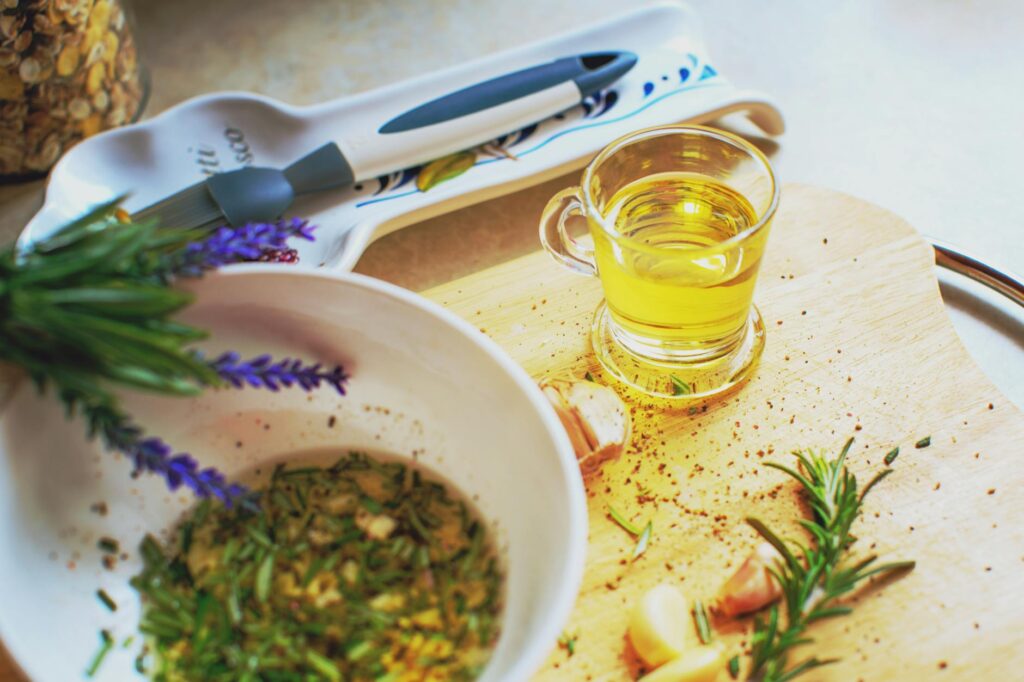
Herbal infused salts are salts that have been combined with various herbs to create a flavorful condiment. The process typically involves mixing high-quality salt with dried herbs, allowing the flavors and aromas to meld together. This infusion can be done through simple methods, such as mixing salt with crushed herbs or using more elaborate techniques like soaking the salt in herbal oils.
The types of salt used can vary widely, ranging from sea salt and Himalayan pink salt to kosher salt. The choice of herbs can also be diverse, including popular options like rosemary, thyme, basil, and more exotic herbs such as lavender or dill. The result is a versatile seasoning that enhances the taste profile of various dishes while offering the aromatic benefits of the herbs used.
Key Benefits and Properties
Enhanced Flavor
One of the most immediate benefits of herbal infused salts is their ability to elevate the flavor of food. The infusion of herbs into salt creates a unique seasoning that can transform ordinary dishes into extraordinary culinary experiences. The natural oils and compounds in the herbs permeate the salt, providing a depth of flavor that is difficult to achieve with traditional salt alone.
Nutritional Value
While salt is often viewed solely as a seasoning, herbal infused salts can also provide additional nutritional benefits. Many herbs are rich in antioxidants, vitamins, and minerals. For instance, basil is known for its anti-inflammatory properties, while rosemary is often praised for its potential cognitive benefits. By incorporating herbal infused salts into your cooking, you can potentially add some of these nutritional elements to your meals.
Versatility
Herbal infused salts are incredibly versatile and can be used in a multitude of culinary applications. From seasoning meats and vegetables to enhancing the flavor of soups, salads, and even baked goods, the options are nearly limitless. This versatility allows home cooks and professional chefs to experiment and create unique dishes tailored to their taste preferences.
Convenience
Creating herbal infused salts at home is a straightforward process that requires minimal time and effort. This convenience allows individuals to customize their flavor profiles according to personal preference or seasonal availability of herbs. Additionally, they can be made in small batches, ensuring freshness and reducing waste.
Aromatic Qualities
Beyond flavor, herbal infused salts can add a sensory dimension to cooking. The aroma released when these salts are used can enhance the dining experience, making meals more enjoyable and inviting. The fragrant qualities of herbs can evoke memories and stimulate the senses, providing a holistic approach to cooking.
Common Uses
Herbal infused salts can be utilized in numerous culinary applications, enhancing both flavor and aroma:
Seasoning
The most common use of herbal infused salts is as a seasoning. They can be sprinkled on meats before grilling or roasting, added to vegetables during cooking, or used to season soups and stews. The infusion of herbs allows for a depth of flavor that can enhance the natural tastes of the ingredients.
Finishing Salt
Using herbal infused salts as a finishing touch on dishes is a popular technique in culinary arts. Sprinkling these salts over salads, grilled fish, or roasted vegetables just before serving can elevate the dish and provide a burst of flavor.
Baking
Herbal infused salts can also be a delightful addition to baked goods. Incorporating them into bread dough or pastry can introduce subtle herbaceous notes that complement sweet and savory flavors alike.
Marinades and Dressings
These salts can also be used in marinades and salad dressings, where they can blend with oils and other ingredients to create a harmonious flavor profile. The infusion of herbs can enhance the overall taste of marinades, making them more complex and flavorful.
Gift Items
Herbal infused salts make for unique and thoughtful gifts. They can be packaged in decorative jars, accompanied by recipe cards or cooking tips, making them an excellent choice for culinary enthusiasts.
Aromatherapy Applications
While primarily used in cooking, the aromatic qualities of herbal infused salts can lend themselves to aromatherapy applications. The scents of various herbs can evoke feelings of relaxation or invigoration, depending on the herbs chosen. For example:
- Lavender: Known for its calming properties, lavender-infused salt can create a soothing environment when used in cooking or as part of a home-cooked meal.
- Rosemary: Often associated with clarity and focus, rosemary-infused salt can be used in dishes that require concentration and creativity.
Though not a substitute for essential oils or traditional aromatherapy practices, the aromatic qualities of herbal infused salts can contribute positively to the dining experience.
Safety Considerations
While herbal infused salts are generally safe for culinary use, there are some considerations to keep in mind:
Allergies
Individuals should be aware of any allergies they may have to specific herbs used in the infusion. Always check ingredient labels or consult with a knowledgeable source if uncertain about any potential allergens.
Sodium Intake
As with any salt, it is essential to be mindful of sodium intake. Excessive sodium consumption can lead to health issues, so moderation is key. Using herbal infused salts can add flavor without the need for excessive quantities.
Quality of Ingredients
To ensure safety and quality, it is advisable to use high-quality salt and fresh herbs when preparing herbal infused salts. This practice not only enhances flavor but also minimizes the risk of contamination.
Storage and Shelf Life
Proper storage is crucial for maintaining the quality of herbal infused salts. Here are some guidelines:
Storage Conditions
Herbal infused salts should be stored in a cool, dry place, away from direct sunlight. This helps preserve the flavors and aromas of the herbs. Using airtight containers, such as glass jars, can further protect the salts from moisture and spoilage.
Shelf Life
The shelf life of herbal infused salts can vary depending on the ingredients used and storage conditions. Generally, they can last anywhere from six months to a year. However, it is advisable to check for any signs of moisture or loss of aroma before use. If the salt begins to clump or the herbal aroma diminishes, it may be time to discard it.
Frequently Asked Questions
Can I make herbal infused salts at home?
Yes, making herbal infused salts at home is a simple process. Mix your choice of dried herbs with salt, ensuring an even distribution. You can also let the mixture sit in a sealed jar for a few weeks to enhance the infusion.
How do I choose the right herbs for infusion?
Choose herbs that complement the dishes you frequently prepare. For example, basil and oregano work well with Italian cuisine, while dill and parsley pair nicely with fish dishes. Experimenting with different combinations can yield unique flavors.
Are there any specific salts that are better for infusion?
While any high-quality salt can be used, sea salt and Himalayan pink salt are popular choices due to their mineral content and flavor. However, the choice ultimately depends on personal preference.
Can I use fresh herbs for infusion?
While fresh herbs can be used, they contain moisture that can lead to spoilage. It is generally recommended to use dried herbs for herbal infused salts to ensure a longer shelf life.
How can I incorporate herbal infused salts into my cooking?
You can use herbal infused salts in various ways, including seasoning meats, adding them to marinades or dressings, or using them as a finishing touch on dishes.
Conclusion
Herbal infused salts offer a delightful way to enhance culinary creations while introducing the benefits of herbs into everyday cooking. Their versatility, flavor-enhancing properties, and aromatic qualities make them a valuable addition to any kitchen. As one explores the world of herbal infused salts, the possibilities for creativity and flavor are truly endless. Whether used in daily cooking or as a thoughtful gift, herbal infused salts are a testament to the beauty and simplicity of combining nature’s bounty with the art of cooking.