
Benefits of Herbal Infused Soaps
Introduction
Herbal infused soaps have gained popularity in recent years, celebrated for their natural ingredients and potential benefits for skin health and overall well-being. As individuals seek alternatives to commercially produced soaps laden with synthetic chemicals, herbal infused soaps present a holistic approach to personal care. This article explores what herbal infused soaps are, their key benefits, common uses, applications in aromatherapy, safety considerations, and storage guidelines.
What Is Herbal Infused Soaps?
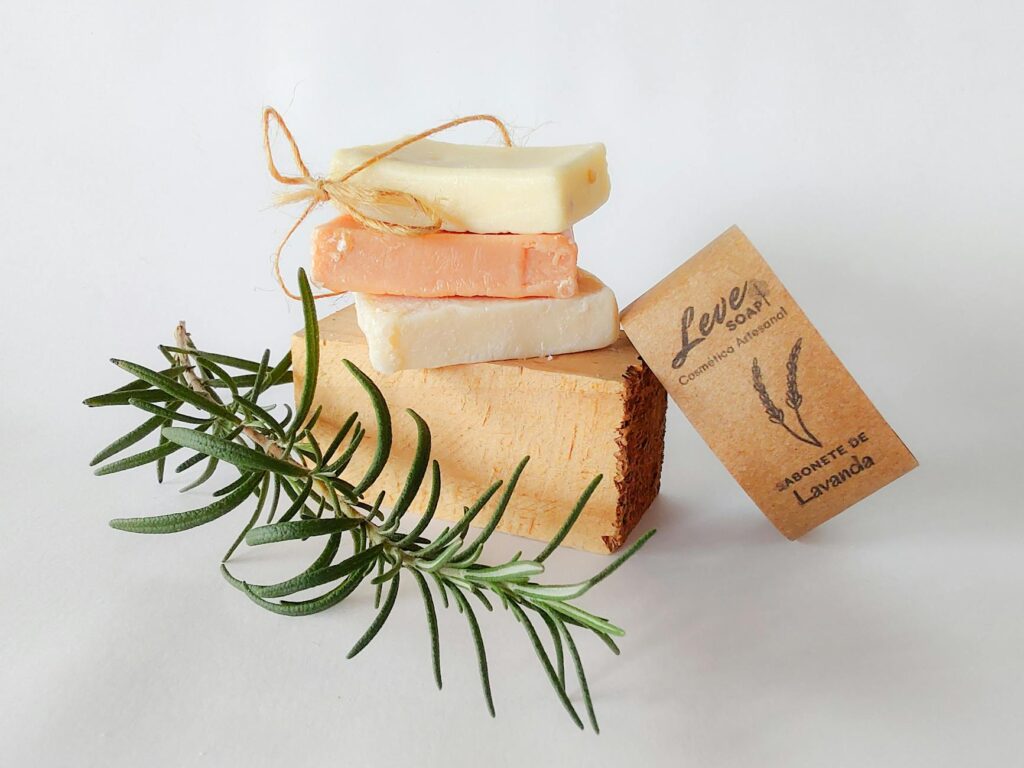
Herbal infused soaps are handmade soaps that incorporate various herbs, flowers, and botanicals into their formulations. The infusion process typically involves steeping the chosen herbs in a carrier oil, allowing the beneficial properties of the herbs to be extracted and combined with the soap base. This process not only enhances the soap’s aesthetic appeal but also imbues it with the unique aromas and therapeutic properties associated with the selected botanicals.
These soaps can be crafted using various soap-making methods, including cold process, hot process, and melt-and-pour techniques. The result is a product that is not only functional but also enriched with the essence of nature.
Key Benefits and Properties
Herbal infused soaps offer a variety of benefits, largely attributed to the properties of the herbs used. Some of the key benefits include:
1. Moisturizing Properties
Many herbs, such as calendula and chamomile, possess natural moisturizing properties. When infused in soaps, they can help hydrate the skin, making them suitable for individuals with dry or sensitive skin.
2. Antioxidant Effects
Herbs like rosemary and green tea are known for their antioxidant properties. These antioxidants can help protect the skin from environmental stressors, promoting a healthier appearance.
3. Anti-inflammatory Qualities
Certain herbs, including aloe vera and lavender, have anti-inflammatory properties. This can be particularly beneficial for soothing irritated skin or conditions such as eczema.
4. Natural Fragrance
Herbal infused soaps often carry a mild, delightful fragrance, which can elevate the bathing experience. The aromas of the herbs can also contribute to relaxation and mental clarity.
5. Gentle Cleansing
The natural saponification process used in creating herbal infused soaps tends to be milder than synthetic alternatives, making them suitable for sensitive skin types.
6. Eco-Friendly
Crafting herbal infused soaps often involves sustainable practices, including the use of organic ingredients and minimal packaging. This aligns with the growing trend towards eco-conscious consumerism.
Common Uses
Herbal infused soaps can be used in various settings and for multiple purposes. Some common uses include:
1. Personal Hygiene
The primary use of herbal infused soaps is for bathing and personal hygiene. They can cleanse the skin while providing nourishment and hydration.
2. Gifting
These soaps make thoughtful gifts, particularly when beautifully packaged. Their natural ingredients and unique fragrances appeal to a wide range of recipients.
3. Aromatherapy
When used during bathing, herbal infused soaps can contribute to an aromatic experience, enhancing relaxation and well-being.
4. Skin Care Routine
Incorporating herbal infused soaps into a daily skin care regimen can promote healthier skin by providing nourishing and soothing properties.
Aromatherapy Applications
Aromatherapy is the practice of using natural plant extracts, including essential oils and herbs, to promote physical and emotional well-being. Herbal infused soaps can play a significant role in aromatherapy due to their scent and the properties of the herbs used.
1. Stress Relief
Soaps infused with calming herbs, such as lavender or chamomile, can help create a relaxing atmosphere during bathing, aiding in stress relief.
2. Energizing Effects
Herbs like peppermint and citrus peels can invigorate the senses, making them ideal for morning showers or whenever a boost of energy is needed.
3. Mood Enhancement
Certain scents can evoke emotions and memories. Using herbal infused soaps with uplifting fragrances can contribute to an improved mood and overall sense of well-being.
Safety Considerations
While herbal infused soaps are generally safe for most individuals, there are some considerations to keep in mind:
1. Allergic Reactions
Some individuals may have allergies or sensitivities to specific herbs. It is advisable to conduct a patch test before full use, particularly for those with sensitive skin.
2. Quality of Ingredients
The effectiveness and safety of herbal infused soaps largely depend on the quality of the ingredients used. Opting for organic and sustainably sourced herbs and oils is recommended.
3. Pregnancy and Medical Conditions
Certain herbs may not be advisable for use during pregnancy or for individuals with specific medical conditions. It is essential to research the herbs being used in the soap or consult with a knowledgeable source.
Storage and Shelf Life
Proper storage is crucial for maintaining the quality and efficacy of herbal infused soaps. Here are some guidelines:
1. Keep in a Cool, Dry Place
Store soaps away from direct sunlight and moisture. A cool, dry environment helps preserve their natural ingredients.
2. Use a Soap Dish
Allow soaps to drain after use to prevent them from becoming mushy. A well-ventilated soap dish can extend the life of the soap.
3. Shelf Life
The shelf life of herbal infused soaps can vary depending on the ingredients used. Generally, they can last from six months to two years. It’s advisable to check for any changes in scent, texture, or appearance before use.
Frequently Asked Questions
1. Can I make herbal infused soaps at home?
Yes, herbal infused soaps can be made at home using various soap-making techniques. There are numerous recipes and resources available for beginners.
2. What herbs are commonly used in herbal infused soaps?
Common herbs include calendula, chamomile, lavender, rosemary, and peppermint. Each herb offers unique properties and benefits.
3. Are herbal infused soaps suitable for all skin types?
While many people find herbal infused soaps gentle and beneficial, individuals with specific skin conditions or allergies should consult with a professional before use.
4. Do herbal infused soaps lather well?
Herbal infused soaps can produce a good lather, depending on the soap-making process and ingredients used.
5. Can I use herbal infused soaps on my face?
Some herbal infused soaps are gentle enough for facial use, but it is best to select those specifically formulated for that purpose.
Conclusion
Herbal infused soaps offer a wealth of benefits, combining the artistry of soap-making with the therapeutic properties of natural herbs. From moisturizing and soothing skin to enhancing the bathing experience through aromatherapy, these soaps serve as a delightful addition to personal care routines. As consumers increasingly seek natural alternatives, herbal infused soaps stand out as a viable option that embraces the healing power of nature. By understanding their properties, uses, and safe practices, individuals can fully appreciate the advantages these artisanal products have to offer.