
Benefits of Herbal Infused Syrups
Introduction
Herbal infused syrups have gained popularity in both culinary and wellness practices due to their unique flavors and potential health benefits. These versatile concoctions combine the sweetness of syrup with the therapeutic properties of various herbs, creating a delightful addition to beverages, desserts, and even savory dishes. This article aims to explore the essence of herbal infused syrups, their benefits, common uses, and safety considerations, offering a comprehensive guide for those interested in incorporating them into their daily routines.
What Is Herbal Infused Syrups?
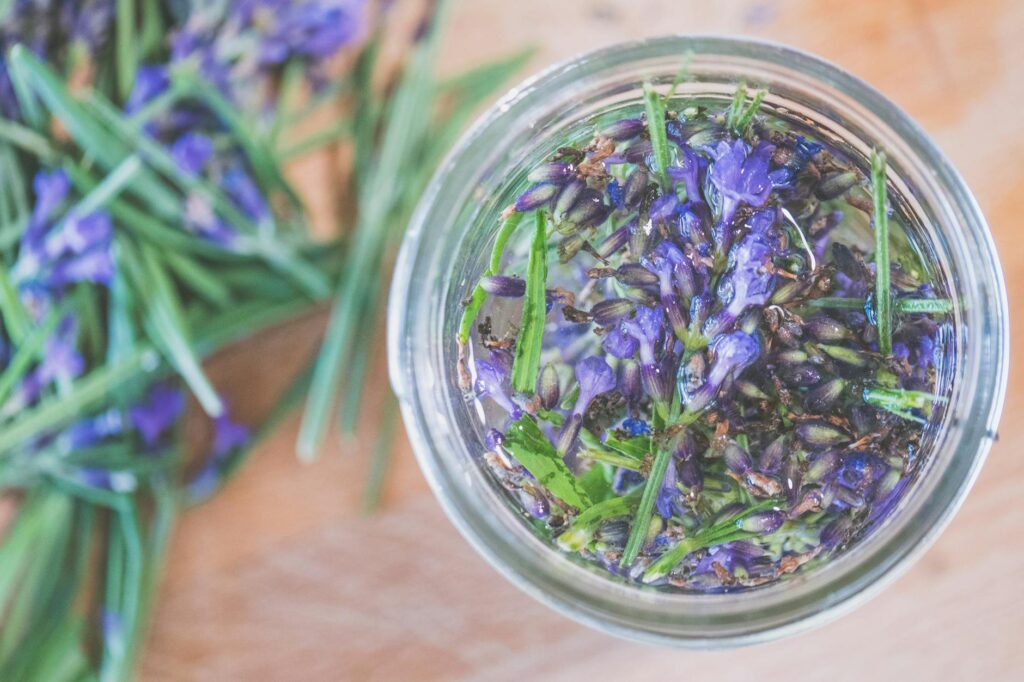
Herbal infused syrups are sweet liquids that are made by infusing herbs into a syrup base, typically composed of sugar and water. The process involves simmering fresh or dried herbs in a sugar-water mixture, allowing the flavors and beneficial properties of the herbs to meld into the syrup. The resulting product is often thick, sweet, and aromatic, capturing the essence of the herbs used.
Infused syrups can be made with a wide variety of herbs, each bringing its own unique flavor and potential benefits. Common herbs used in these syrups include mint, rosemary, thyme, chamomile, and lavender, among others. The infusion process can vary in time and temperature, depending on the desired intensity of flavor and properties.
Key Benefits and Properties
Herbal infused syrups offer a range of benefits that extend beyond mere flavor enhancement. Here are some key properties associated with these syrups:
1. Flavor Enhancement
One of the most immediate benefits of herbal infused syrups is their ability to enhance the flavor profile of various dishes and beverages. The infusion of herbs adds depth and complexity, transforming ordinary recipes into extraordinary culinary experiences.
2. Natural Sweetener
Herbal syrups serve as a natural sweetener, offering an alternative to refined sugars and artificial sweeteners. The sweetness derived from sugar combined with the inherent flavors of herbs can provide a more wholesome option for sweetening drinks, desserts, and snacks.
3. Aromatic Qualities
The aromatic compounds present in herbs can bring about a soothing and uplifting experience. When incorporated in syrups, these aromas can enhance the sensory experience, making them a popular choice for cocktails, teas, and other beverages.
4. Potential Health Benefits
While it is essential to note that herbal infused syrups should not be considered medicinal, many herbs used in these syrups are known for their traditional uses and potential health-promoting properties. For example, chamomile may promote relaxation, while mint can aid in digestion.
5. Versatility in Culinary Applications
Herbal infused syrups can be used in a wide variety of culinary applications, from adding flavor to cocktails and mocktails to drizzling over pancakes, waffles, or desserts. Their versatility allows for creative experimentation in the kitchen.
Common Uses
Herbal infused syrups find their way into various culinary and beverage applications. Here are some common uses:
1. Beverages
Infused syrups are often used to sweeten beverages such as teas, lemonades, cocktails, and sodas. A drizzle of lavender syrup in iced tea or a splash of mint syrup in a mojito can elevate the drink’s appeal.
2. Desserts
These syrups can be drizzled over desserts like ice cream, yogurt, or pancakes for added flavor. Their vibrant colors and enticing aromas make them a beautiful garnish.
3. Marinades and Dressings
In savory dishes, herbal infused syrups can serve as a base for marinades or salad dressings, providing a unique twist to traditional recipes.
4. Infused Oils
Some culinary enthusiasts use herbal infused syrups as a base for creating infused oils, combining the flavors of herbs with the richness of oils for cooking or dipping.
Aromatherapy Applications
While herbal infused syrups are primarily known for their culinary uses, they can also play a role in aromatherapy. The aromatic compounds present in the herbs can provide a calming and uplifting experience when used in various applications:
1. Diffusion
Adding a few drops of herbal syrup to a diffuser can create a pleasant aromatic environment, enhancing mood and promoting relaxation.
2. Bath Soaks
Incorporating herbal infused syrups into bathwater can create a luxurious and aromatic bathing experience, allowing the individual to enjoy the soothing scents of the herbs.
3. Massage Oils
When mixed with carrier oils, herbal syrups can be used in massage practices, combining the benefits of aromatherapy with the physical benefits of massage.
Safety Considerations
While herbal infused syrups are generally safe for consumption, some precautions should be taken into account:
1. Allergies
Individuals should be aware of any allergies or sensitivities to specific herbs before consuming herbal infused syrups. It is advisable to conduct a patch test or consult with a knowledgeable source regarding potential reactions.
2. Sugar Content
Due to their sweet nature, herbal infused syrups can contain significant amounts of sugar. Those monitoring their sugar intake for health reasons should consume these syrups in moderation.
3. Quality of Ingredients
Using high-quality, organic herbs and natural sweeteners can enhance the overall benefits and safety of herbal infused syrups. It is essential to ensure that herbs are sourced from reputable suppliers.
4. Storage
Improper storage can lead to spoilage. It is crucial to store herbal infused syrups in clean, airtight containers to maintain freshness and prevent contamination.
Storage and Shelf Life
To maximize the shelf life of herbal infused syrups, consider the following storage tips:
1. Refrigeration
Herbal infused syrups should be stored in the refrigerator to prolong freshness and prevent spoilage. Under proper refrigeration, they can last for several weeks to months, depending on the ingredients used.
2. Airtight Containers
Using airtight glass containers can help prevent exposure to air and moisture, which can contribute to spoilage.
3. Observe for Changes
It is essential to monitor the syrup for any changes in color, odor, or texture. If any signs of spoilage are present, it is advisable to discard the syrup.
Frequently Asked Questions
1. Can I make herbal infused syrups at home?
Yes, making herbal infused syrups at home is relatively simple. Combine herbs with equal parts sugar and water, simmer, and strain to create your syrup. Experiment with different herbs to find your preferred flavors.
2. How do I use herbal infused syrups in cooking?
Herbal infused syrups can be used in various recipes, including beverages, desserts, and marinades. Feel free to experiment with quantities to find the right balance of flavor.
3. Are herbal infused syrups safe for children?
Generally, herbal infused syrups made from culinary herbs are safe for children. However, it is advisable to consult with a healthcare professional if there are any concerns regarding specific ingredients.
4. Can I use sugar substitutes for making herbal infused syrups?
Yes, sugar substitutes can be used to create herbal infused syrups. However, the taste and texture may vary, so it may require some experimentation to achieve the desired result.
Conclusion
Herbal infused syrups offer a delightful way to enhance flavors while providing potential benefits associated with various herbs. Their versatility in culinary applications and aromatic qualities make them a valuable addition to any kitchen or aromatherapy practice. By understanding their benefits, uses, and safety considerations, individuals can fully enjoy the rich world of herbal infused syrups. Whether you are seeking to elevate your culinary creations or explore aromatic experiences, herbal infused syrups can be a charming and flavorful companion in your journey.