
Benefits of Herbal Infused Water
Introduction
Herbal infused water is a delightful and refreshing way to incorporate the essence of herbs into your daily hydration routine. This simple yet effective method allows individuals to enjoy the aromatic and flavorful properties of various herbs while reaping their potential benefits. As more people turn towards natural remedies and holistic practices, herbal infused water has gained significant attention for its versatility and ease of preparation. In this article, we will explore what herbal infused water is, its benefits, common uses, and safety considerations.
What Is Herbal Infused Water?
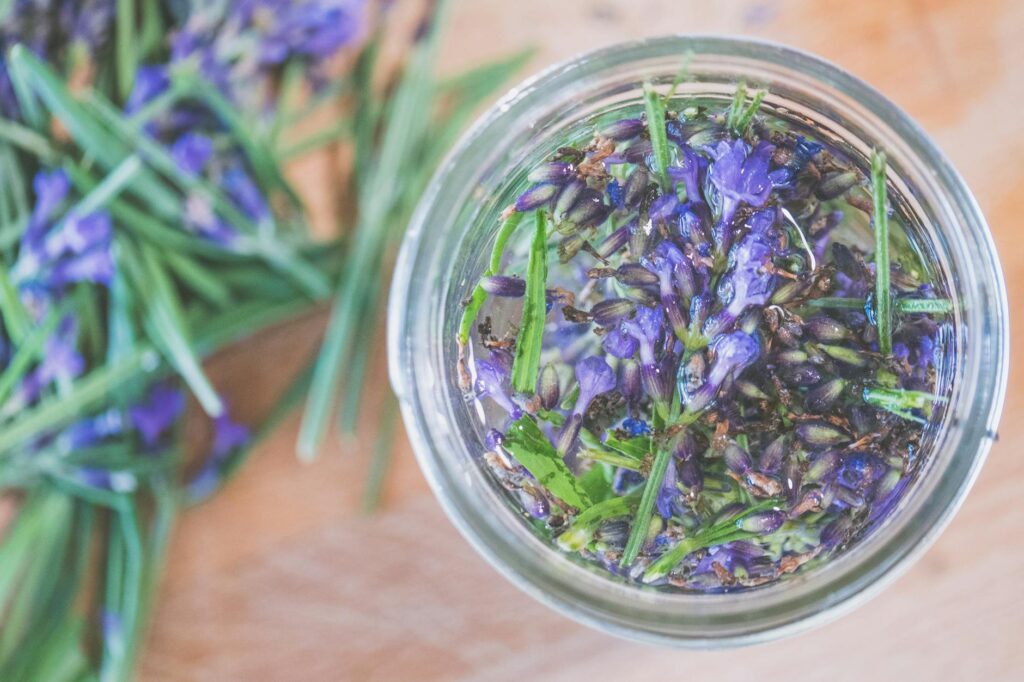
Herbal infused water, often referred to as herbal tea or herb-infused beverages, is created by steeping fresh or dried herbs in water. This process allows the water to extract the flavors, aromas, and beneficial compounds from the herbs, resulting in a fragrant and flavorful drink. The infusion process can be done with various herbs, such as mint, basil, rosemary, and chamomile, offering a multitude of flavor profiles and potential benefits.
The infusion method can vary; some people prefer to steep the herbs in hot water for a short period, similar to traditional tea, while others may opt for cold infusions by allowing the herbs to steep in cold or room temperature water over an extended period. This flexibility makes herbal infused water an accessible and enjoyable option for many.
Key Benefits and Properties
Herbal infused water is celebrated not only for its refreshing taste but also for its potential health benefits. Here are some key properties associated with various herbs commonly used in infusions:
1. Hydration: Herbal infused water is an excellent way to increase daily water intake, especially for those who find plain water unappealing. The flavors imparted by the herbs can make hydration more enjoyable.
2. Digestive Support: Certain herbs, such as peppermint and ginger, are known for their potential digestive benefits. They may help ease stomach discomfort and promote healthy digestion.
3. Antioxidant Properties: Many herbs, like hibiscus and green tea, are rich in antioxidants. These compounds help combat oxidative stress in the body, supporting overall health.
4. Mood Enhancement: Some herbs, such as chamomile and lemon balm, are traditionally associated with calming effects and may promote relaxation and tranquility.
5. Flavor Variety: Herbal infusions can be customized to suit individual tastes. By experimenting with different herbs, fruits, and spices, one can create unique flavor combinations tailored to personal preferences.
Common Uses
Herbal infused water can be enjoyed in various ways, making it a versatile addition to one’s daily routine. Here are some common uses:
1. Refreshing Beverage: Herbal infused water can be served chilled over ice as a refreshing alternative to sugary sodas or juices. It can also be enjoyed warm, particularly during colder months.
2. Flavoring for Cooking: The infused water can be used as a flavorful base for soups, sauces, or marinades, imparting subtle herbaceous notes to dishes.
3. Cocktail Mixers: Herbal infused water can serve as a base for cocktails, adding complexity and depth to beverages without added sugars or artificial flavors.
4. Detox Drink: Some individuals use herbal infused water as part of their detoxification routines, combining it with ingredients like lemon, cucumber, or ginger for added benefits.
5. Gifting: A beautifully presented bottle of herbal infused water can serve as a thoughtful gift during special occasions or gatherings.
Aromatherapy Applications
While herbal infused water primarily focuses on the ingestion of herbs, it can also play a role in aromatherapy. The aromas released during the infusion process can have a calming and uplifting effect on the mind and body. Here are a few ways to incorporate herbal infused water into aromatherapy practices:
1. Aromatic Steam: The steam released from hot herbal infusions can be inhaled to enjoy the therapeutic scents of the herbs. This method is often used with herbs like eucalyptus and peppermint for respiratory benefits.
2. Diffusion: Herbal infused water can be used in a diffuser to spread the aroma throughout a room. This practice can help create a calming atmosphere, especially with herbs like lavender and chamomile.
3. Bath Additive: Adding herbal infused water to a warm bath can enhance the bathing experience, allowing the individual to soak in the aromatic properties of the herbs while enjoying a soothing environment.
4. Room Spray: Herbal infused water can be used as a natural room spray. Allow the infusion to cool and transfer it into a spray bottle to refresh and scent living spaces.
Safety Considerations
While herbal infused water is generally safe for most individuals, it is essential to consider a few safety guidelines:
1. Herb Selection: Not all herbs are suitable for consumption. It is crucial to use culinary-grade herbs that are safe and recognized for their potential benefits. Always consult reliable sources or herbalists when unsure.
2. Allergic Reactions: Some individuals may have allergies to specific herbs. It is advisable to start with small amounts of new herbs to ensure no adverse reactions occur.
3. Pregnancy and Breastfeeding: Pregnant or breastfeeding individuals should exercise caution with herbal infusions, as some herbs may not be safe during these periods. Consulting a healthcare professional is recommended.
4. Medication Interactions: Certain herbs may interact with medications. Those taking prescription drugs should consult their healthcare provider before incorporating herbal infused water into their routine.
5. Quality of Ingredients: Using high-quality, organic herbs can help minimize exposure to pesticides and other chemicals. It is advisable to source herbs from reputable suppliers.
Storage and Shelf Life
Proper storage of herbal infused water is essential to ensure its freshness and safety. Here are some guidelines:
1. Refrigeration: Herbal infused water should be stored in the refrigerator and consumed within 3-5 days. This helps prevent bacterial growth and preserves flavor.
2. Airtight Containers: Use clean, airtight containers to store the infusion to minimize exposure to air and prevent contamination.
3. Separation of Ingredients: If adding fruits or other flavorings, consider storing them separately or removing them after infusion, as they may lead to quicker spoilage.
4. Freezing: For longer storage, herbal infused water can be frozen in ice cube trays. These cubes can be used later in beverages or added to smoothies.
Frequently Asked Questions
1. Can I use dried herbs for infusion?
Yes, dried herbs can be used for infusion. However, the flavor and potency may differ from fresh herbs. When using dried herbs, it is advisable to use them in smaller quantities due to their concentrated nature.
2. How long should I steep the herbs?
Steeping times can vary depending on the type of herb and personal preference. Generally, fresh herbs can be steeped for 30 minutes to a few hours, while dried herbs may require longer steeping times. Experimenting with different durations can help find the perfect balance.
3. Can I mix different herbs?
Absolutely! Mixing different herbs can create unique flavors and enhance the potential benefits of the infusion. However, it is essential to ensure that the herbs complement each other.
4. Is herbal infused water suitable for children?
Herbal infused water can be suitable for children, but it is crucial to choose mild herbs and consult with a healthcare provider if there are any concerns.
5. Can I sweeten herbal infused water?
If desired, herbal infused water can be sweetened with natural sweeteners like honey or agave syrup. However, it is advisable to keep added sugars to a minimum for optimal health benefits.
In conclusion, herbal infused water is a delightful and beneficial way to enhance hydration while enjoying the flavors and aromas of various herbs. With its multitude of uses and potential advantages, it serves as a refreshing alternative to sugary beverages. By understanding the properties of different herbs and following safety considerations, individuals can embark on a flavorful journey of wellness through herbal infused water.