
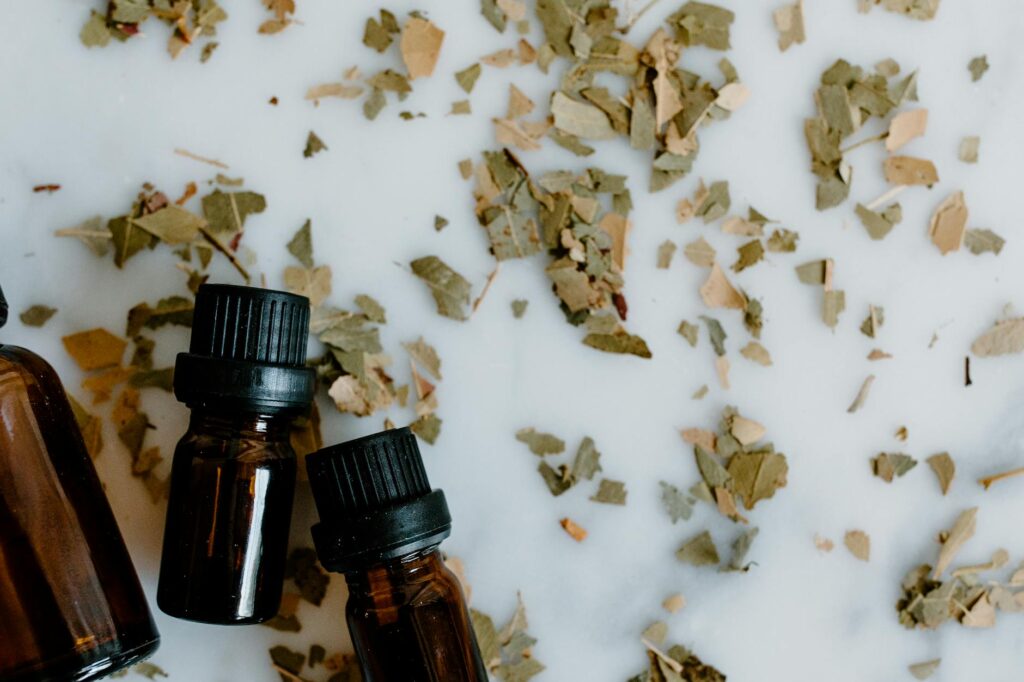
Benefits of Herbal Mood-Enhancing Essential Oil Blends
Introduction
In an increasingly fast-paced world, the quest for emotional well-being has led many individuals to explore alternative therapies that promote relaxation and uplift the spirit. One such avenue is through the use of herbal mood-enhancing essential oil blends. These blends harness the natural properties of various plants to create aromatic compounds that may influence mood, alleviate stress, and promote overall emotional health. This article delves into the essence of these blends, exploring their benefits, common uses, and safety considerations.
What Is Herbal Mood-Enhancing Essential Oil Blends?
Herbal mood-enhancing essential oil blends are mixtures of essential oils derived from various plants known for their uplifting and calming properties. These oils are extracted through methods such as steam distillation or cold pressing, capturing the plant’s aromatic compounds that contribute to their therapeutic qualities. Common ingredients in these blends may include oils from lavender, bergamot, chamomile, and rosemary, among others.
The synergy created when these oils are combined can enhance their individual effects, offering a more potent solution for mood enhancement. For instance, while lavender is renowned for its calming properties, bergamot might uplift the spirit, creating a balanced effect that promotes emotional well-being.
Key Benefits and Properties
Emotional Balance
One of the primary benefits of herbal mood-enhancing essential oil blends is their potential to foster emotional balance. The calming properties of certain oils can help reduce feelings of anxiety and stress, while others may uplift mood and encourage feelings of happiness and contentment.
Stress Relief
Essential oils such as chamomile and ylang-ylang are well-regarded for their ability to reduce stress levels. When inhaled or applied topically, these oils may help calm the mind and body, making them ideal for use during stressful situations.
Improved Sleep Quality
Many herbal blends are designed to promote restful sleep. Oils such as lavender and cedarwood can create a serene environment conducive to sleep, potentially reducing insomnia and enhancing overall sleep quality.
Enhanced Clarity and Focus
Certain blends may also support mental clarity and focus. Oils like rosemary and peppermint are known to stimulate the mind and enhance cognitive function, making them ideal for use during study or work sessions.
Natural Alternatives to Synthetic Fragrances
Unlike synthetic fragrances, which may contain harmful chemicals, herbal essential oils are natural and often more environmentally friendly. This makes them a preferable choice for individuals seeking natural alternatives for mood enhancement.
Common Uses
Herbal mood-enhancing essential oil blends can be utilized in various ways, depending on individual preferences and the desired effects. Some common uses include:
Diffusion
Using a diffuser, individuals can disperse essential oil blends into the air, creating an aromatic environment that promotes relaxation and upliftment. This method is particularly effective for enhancing mood in larger spaces.
Topical Application
Many essential oils can be diluted with a carrier oil, such as jojoba or coconut oil, and applied to the skin. Areas such as pulse points or the back of the neck are common application spots. This method allows for both the aromatic and therapeutic properties of the oils to be absorbed through the skin.
Bath Soaks
Adding essential oils to a warm bath can create a soothing experience. Blends designed for relaxation or mood enhancement can be particularly beneficial in this setting, promoting a tranquil atmosphere.
Massage
Incorporating essential oils into massage oils can enhance the benefits of the massage itself. The combination of touch and aroma can create a deeply relaxing experience, further contributing to emotional well-being.
Aromatherapy Applications
Aromatherapy is the practice of using essential oils for therapeutic benefits. Herbal mood-enhancing blends can be applied through various methods of aromatherapy:
Inhalation
Inhaling the scent of essential oils directly from the bottle or through a cloth can provide immediate effects. This method is often used in stressful situations or during moments of anxiety.
Aromatherapy Candles
Some candles are infused with essential oils, allowing the calming and uplifting properties to be released as the candle burns. This creates a multi-sensory experience that can enhance mood and promote relaxation.
Potpourri and Sachets
Incorporating dried herbs and essential oils into potpourri or sachets can also release their aromas into a space. This method is particularly popular for creating a soothing environment in the home.
Safety Considerations
While herbal essential oils are generally safe when used correctly, there are important safety considerations to keep in mind:
Dilution
Essential oils are highly concentrated and should be diluted with a carrier oil before topical application to avoid skin irritation. A general guideline is to use a dilution ratio of 2-3 drops of essential oil per teaspoon of carrier oil.
Allergies and Sensitivities
Individuals with allergies or sensitive skin should perform a patch test before using a new essential oil blend. This involves applying a small amount of diluted oil to a discreet area of skin and monitoring for any adverse reactions.
Consultation
Those with existing health conditions, pregnant individuals, or nursing mothers should consult a healthcare professional before using essential oils. While many people use essential oils without any issues, it is always prudent to err on the side of caution.
Storage and Shelf Life
Proper storage of essential oils is crucial for maintaining their quality and efficacy. Here are some guidelines:
Storage Conditions
Essential oils should be stored in dark glass containers to protect them from light, which can degrade their quality. They should also be kept in a cool, dry place, away from direct sunlight and heat sources.
Shelf Life
Most essential oils have a shelf life ranging from 1 to 5 years, depending on the type of oil and storage conditions. Citrus oils tend to have a shorter shelf life, while oils like cedarwood may last longer. Regularly check for changes in aroma or appearance, which may indicate that the oil has gone bad.
Frequently Asked Questions
Can I create my own herbal mood-enhancing blends?
Yes, many individuals enjoy creating their own blends by combining essential oils that resonate with them. It is advisable to research the properties of each oil and start with small amounts to find the right balance.
Are there specific oils that are best for certain moods?
Different oils can evoke different feelings. For example, lavender is often associated with relaxation and calmness, while citrus oils like lemon and orange are known for their uplifting qualities. Tailoring your blend to your mood may enhance its effectiveness.
Can I use essential oils around pets?
Some essential oils can be harmful to pets, particularly cats. It is essential to research which oils are safe and consult with a veterinarian if in doubt. Always ensure that the area is well-ventilated and that pets can leave the space if needed.
How often can I use mood-enhancing essential oil blends?
The frequency of use depends on individual preference and sensitivity. Some may find daily use beneficial, while others may prefer to use them only when needed. Listen to your body’s responses and adjust accordingly.
Can I use essential oils in cooking or food?
While some essential oils are safe for culinary use, many are not. It is crucial to ensure that any essential oil used in food is labeled as food-grade and to use them sparingly. Always consult reliable sources for guidance.
Conclusion
Herbal mood-enhancing essential oil blends offer a natural and aromatic approach to emotional well-being. With their myriad benefits ranging from stress relief to improved clarity, these blends can be an integral part of personal care routines. As with any practice, knowledge and caution are key to ensuring a safe and enjoyable experience. By understanding their properties, uses, and safety considerations, individuals can effectively incorporate these potent elixirs into their daily lives, fostering a sense of well-being and harmony.