
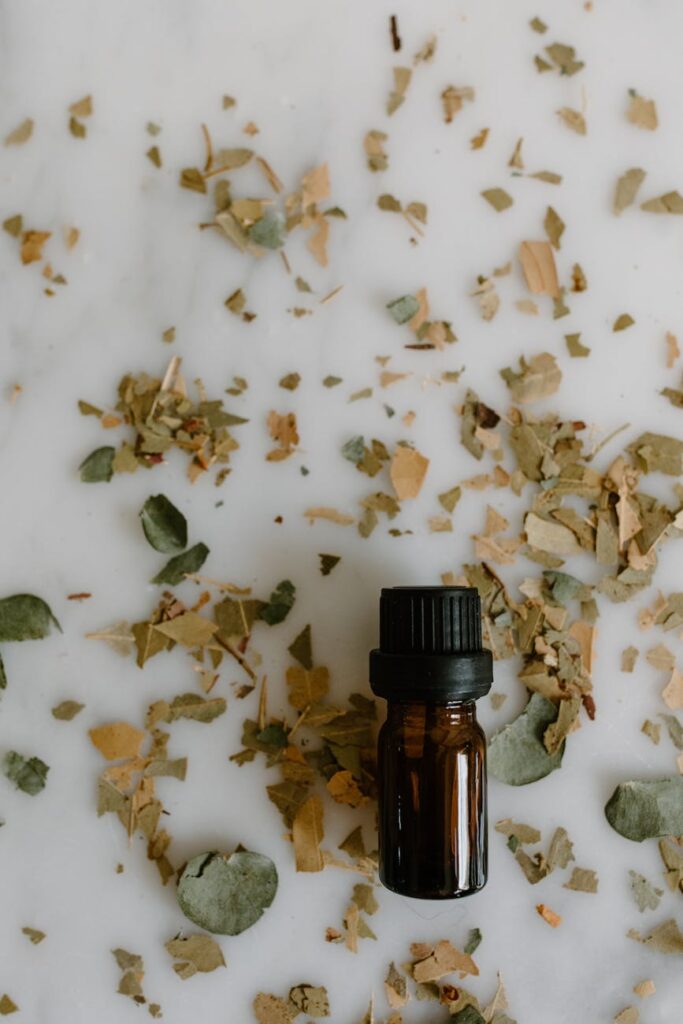
Benefits of Herbal Mood-Stabilizing Essential Oil Blends
Introduction
In an increasingly fast-paced and stressful world, many individuals are seeking natural alternatives to support emotional well-being. Herbal mood-stabilizing essential oil blends have gained popularity for their potential to enhance mood, alleviate stress, and promote a sense of calm. This article delves into the various aspects of these essential oil blends, exploring their benefits, properties, applications, and safety considerations.
What Is Herbal Mood-Stabilizing Essential Oil Blends?
Herbal mood-stabilizing essential oil blends are combinations of essential oils derived from various plants known for their emotional and psychological benefits. These blends often include oils such as lavender, bergamot, chamomile, and ylang-ylang, among others. Each essential oil contributes its own unique aroma and properties, which can help stabilize mood and promote a sense of balance and tranquility.
The term “mood-stabilizing” refers to the ability of these blends to help regulate emotional states, potentially alleviating feelings of anxiety, sadness, or irritability. These blends are utilized in various forms of aromatherapy, which harnesses the power of scent to influence mood and emotional health.
Key Benefits and Properties
The benefits of herbal mood-stabilizing essential oil blends are numerous and varied. Some of the key properties that contribute to their effectiveness include:
1. Anxiolytic Effects
Many essential oils used in mood-stabilizing blends exhibit anxiolytic properties, helping to reduce anxiety and promote relaxation. Oils such as lavender and chamomile are well-regarded for their calming effects.
2. Antidepressant Qualities
Certain essential oils may help alleviate symptoms of depression. Bergamot, for instance, is often included in blends for its uplifting qualities, which can help improve mood and energy levels.
3. Stress Reduction
Herbal blends can be particularly effective in mitigating stress. The soothing scents of oils like ylang-ylang and frankincense can promote a sense of calm, making them ideal for use during stressful situations.
4. Emotional Balance
Many users report that these blends help foster emotional balance, reducing mood swings and promoting a more stable emotional state. This is especially beneficial for individuals experiencing emotional turbulence.
5. Cognitive Clarity
Some essential oils are believed to enhance mental clarity and focus. For example, rosemary and peppermint can stimulate the mind, potentially counteracting feelings of lethargy or confusion.
Common Uses
Herbal mood-stabilizing essential oil blends can be used in various ways to support emotional health. Some common applications include:
1. Diffusion
Using a diffuser is one of the most popular methods for dispersing essential oils into the air. This allows for a gentle, continuous release of fragrance, creating an inviting atmosphere conducive to relaxation.
2. Topical Application
Diluting essential oils in a carrier oil and applying them to the skin can provide localized benefits. This method is often used for self-massage or as part of a skincare routine.
3. Inhalation
Direct inhalation of essential oils from the bottle or via a cotton ball can offer immediate relief from stress or anxiety. This method is effective for quick mood stabilization.
4. Bathing
Incorporating essential oils into bath water can transform a simple bath into a therapeutic experience. The warm water enhances the absorption of the oils while also providing a soothing environment.
5. Candle Making
Creating candles infused with essential oils can provide both ambiance and therapeutic benefits. As the candle burns, the essential oils are released, filling the space with their calming aroma.
Aromatherapy Applications
Aromatherapy is the practice of using essential oils for therapeutic purposes, and herbal mood-stabilizing blends can be integrated into various aromatherapy techniques. Some key applications include:
1. Massage Therapy
Incorporating essential oils into massage treatments can enhance relaxation and emotional release. This practice combines the benefits of physical touch with the aromatherapeutic properties of the oils.
2. Meditation and Mindfulness
Utilizing essential oils during meditation can deepen the experience and enhance focus. The calming scents can create an inviting space for introspection and mindfulness.
3. Yoga
Many practitioners incorporate essential oils into their yoga routines. Diffusing or applying mood-stabilizing oils can enhance the overall experience and support emotional release during practice.
4. Breathwork
Integrating essential oils into breathwork sessions can amplify the calming effects of controlled breathing. Inhaling the aroma while focusing on breath can enhance relaxation.
Safety Considerations
While herbal mood-stabilizing essential oil blends can offer numerous benefits, it is essential to consider safety. Here are some important points to keep in mind:
1. Dilution
Essential oils are highly concentrated and should be diluted with a carrier oil before topical application to avoid skin irritation. Common carrier oils include coconut oil, jojoba oil, and sweet almond oil.
2. Allergies and Sensitivities
Individuals should perform a patch test before using a new essential oil blend to ensure they do not have an allergic reaction. If irritation occurs, discontinue use immediately.
3. Pregnancy and Nursing
Pregnant or nursing individuals should consult a healthcare professional before using essential oils, as some oils may not be safe during these periods.
4. Children and Pets
Special care should be taken when using essential oils around children and pets. Some oils can be toxic to animals, and children may be more sensitive to certain fragrances.
5. Quality of Oils
It is crucial to source high-quality essential oils from reputable suppliers. Look for oils that are labeled as 100% pure, as synthetic fragrances may not provide the same therapeutic benefits.
Storage and Shelf Life
Proper storage of essential oils is essential to maintain their potency and quality. Here are some guidelines:
1. Cool, Dark Place
Store essential oils in a cool, dark location away from direct sunlight. Heat and light can degrade the oils over time.
2. Tightly Sealed Containers
Keep essential oils in tightly sealed containers to prevent oxidation and evaporation. Amber or cobalt glass bottles are ideal for storage, as they protect the oils from UV light.
3. Expiration Dates
While essential oils do not typically expire in the same way food products do, they can lose potency over time. Most essential oils have a shelf life of 1 to 3 years, depending on the type of oil and storage conditions.
Frequently Asked Questions
1. Can herbal mood-stabilizing essential oil blends be used daily?
Yes, many individuals use these blends daily, particularly in diffusion or bath applications. However, it’s best to monitor how your body responds and adjust usage accordingly.
2. Are there specific blends recommended for anxiety?
Blends containing lavender, chamomile, and bergamot are often favored for their calming effects and may be particularly helpful for anxiety.
3. Can I create my own mood-stabilizing blend?
Absolutely! Experimenting with different oils can help you create a personalized blend that resonates with your unique preferences and emotional needs.
4. How do I know which essential oils to choose?
Choosing essential oils often comes down to personal preference and desired outcomes. Researching the properties of each oil can help guide your selections.
5. Can essential oils replace traditional therapies?
Essential oils can complement traditional therapies but should not be viewed as a replacement. It is advisable to consult with a healthcare professional for comprehensive emotional support.
Conclusion
Herbal mood-stabilizing essential oil blends offer a natural approach to enhancing emotional well-being and promoting a balanced state of mind. With their diverse properties and applications, these blends can be integrated into daily life to support mental health and encourage relaxation. As with any holistic practice, it is crucial to approach essential oils with care and mindfulness, ensuring a safe and enjoyable experience.