
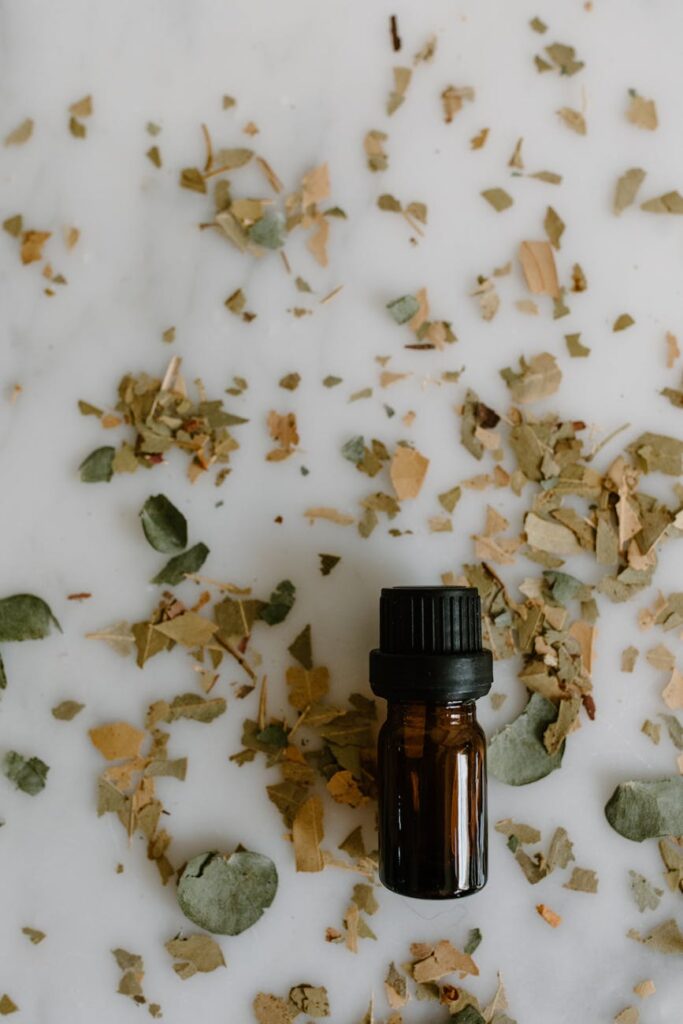
Benefits of Herbal Oils
Introduction
Herbal oils, derived from various plants, have been utilized in traditional medicine, beauty regimes, and holistic therapies for centuries. These concentrated extracts capture the essence of plants, offering a range of aromatic and therapeutic benefits. In recent years, the popularity of herbal oils has surged, with many individuals seeking natural alternatives for enhancing their well-being and personal care. This article explores the nature of herbal oils, their benefits, applications, and considerations for safe use.
What Is Herbal Oils?
Herbal oils are plant-derived oils that are extracted from various parts of plants, including leaves, flowers, seeds, and roots, through methods such as steam distillation, cold pressing, and solvent extraction. The resulting oils contain the plant’s essential compounds, which can include volatile aromatic compounds, fatty acids, and other bioactive constituents.
These oils can be categorized into two main types:
1. Essential Oils: Highly concentrated and volatile oils that capture the fragrance and therapeutic properties of plants. Common examples include lavender, eucalyptus, and peppermint.
2. Carrier Oils: These are vegetable oils derived from the fatty portions of plants and are used to dilute essential oils for topical applications. Examples include jojoba oil, coconut oil, and sweet almond oil.
Key Benefits and Properties
Herbal oils offer numerous benefits due to their unique chemical compositions. While individual oils may possess specific properties, some common benefits include:
- Aromatic Qualities: The pleasant scents of herbal oils can enhance mood, promote relaxation, and create an inviting atmosphere.
- Antioxidant Properties: Many herbal oils contain antioxidants that help combat oxidative stress in the body, contributing to overall health.
- Anti-inflammatory Effects: Some oils possess anti-inflammatory properties, which may aid in the relief of minor aches and discomfort.
- Antimicrobial Properties: Certain herbal oils have been shown to exhibit antimicrobial effects, making them useful in cleaning and purifying environments.
- Skin Nourishment: When used in cosmetics or topical applications, herbal oils can moisturize, soothe, and rejuvenate the skin.
- Aromatherapy: Diffusing herbal oils in a space to enhance mood, alleviate stress, or promote relaxation.
- Skincare: Incorporating herbal oils into skincare products or using them directly to nourish, hydrate, or treat specific skin concerns.
- Massage: Blending essential oils with carrier oils for therapeutic massage, which can enhance relaxation and alleviate tension.
- Household Cleaning: Utilizing the antimicrobial properties of certain herbal oils in homemade cleaning solutions.
- Hair Care: Adding herbal oils to shampoos or conditioners for added nourishment and shine.
- Lavender: Known for its calming effects, lavender oil is often used to promote relaxation and alleviate anxiety.
- Peppermint: Invigorating and refreshing, peppermint oil can help enhance focus and relieve headaches.
- Eucalyptus: Often used to support respiratory health, eucalyptus oil is valued for its invigorating scent.
- Diffusion: Using a diffuser to disperse essential oils into the air.
- Inhalation: Placing a few drops of essential oil on a tissue or in the palm of the hand, then inhaling deeply.
- Topical Application: Diluting essential oils with carrier oils and applying to pulse points or areas of tension.
- Dilution: Essential oils should not be applied directly to the skin without dilution. A common recommendation is to mix a few drops of essential oil with a carrier oil.
- Allergies and Sensitivities: Conduct a patch test before using a new herbal oil to ensure no allergic reaction occurs.
- Pregnancy and Nursing: Some herbal oils can have contraindications for pregnant or nursing women. It’s advisable to consult with a knowledgeable practitioner.
- Children and Pets: Certain essential oils can be harmful to children and pets. Always research the safety of specific oils before use.
- Storage: Keep herbal oils in a cool, dark place to prevent degradation and maintain potency.
- Containers: Store herbal oils in dark glass bottles to protect them from light exposure, which can degrade the oil.
- Temperature: Keep oils in a cool, dry place, away from direct sunlight and heat sources.
- Shelf Life: The shelf life of herbal oils varies depending on the type. Essential oils typically have a shelf life of 1-3 years, while carrier oils may last 6 months to 2 years. Always check for any changes in smell, color, or consistency before use.
Common Uses
Herbal oils can be used in various ways, depending on their properties and intended effects. Some common uses include:
Aromatherapy Applications
Aromatherapy is one of the most prevalent uses of herbal oils and involves the practice of using essential oils for therapeutic benefits. The inhalation of these oils is believed to stimulate the limbic system in the brain, which can influence emotions and physical responses.
Common Essential Oils in Aromatherapy
Methods of Use
Safety Considerations
While herbal oils are natural, they are still potent substances that require careful handling. Here are some important safety considerations:
Storage and Shelf Life
To ensure the longevity and effectiveness of herbal oils, proper storage is essential. Here are some guidelines:
Frequently Asked Questions
1. Are herbal oils safe for everyone?
While herbal oils are generally safe for many people, they may not be suitable for everyone, particularly those with allergies, pregnant women, and young children. Always perform a patch test and consult with a healthcare professional if uncertain.
2. Can I ingest herbal oils?
Ingestion of herbal oils is not recommended without the guidance of a qualified practitioner. Many essential oils can be toxic when consumed inappropriately.
3. How do I know which herbal oil to choose?
Selecting the right herbal oil depends on your intended use and desired effects. Researching specific oils and their properties can help guide your choice.
4. Can I use herbal oils for pets?
Some herbal oils can be harmful to pets; others can be used safely in diluted forms. Always consult with a veterinarian before using herbal oils around animals.
5. How do I incorporate herbal oils into my daily routine?
Herbal oils can be added to skincare routines, diffused in living spaces, used in massage, or included in cleaning products. Experimenting with different oils and methods can help integrate them into your lifestyle.
Conclusion
Herbal oils present a diverse array of benefits, making them valuable additions to holistic health, beauty, and household practices. With a wide range of applications and unique properties, these oils can enhance well-being and enrich everyday life. However, it is crucial to approach their use with knowledge and caution, ensuring safe and effective integration into your routine. By understanding the nature and benefits of herbal oils, individuals can harness their potential for a more natural and fulfilling lifestyle.