
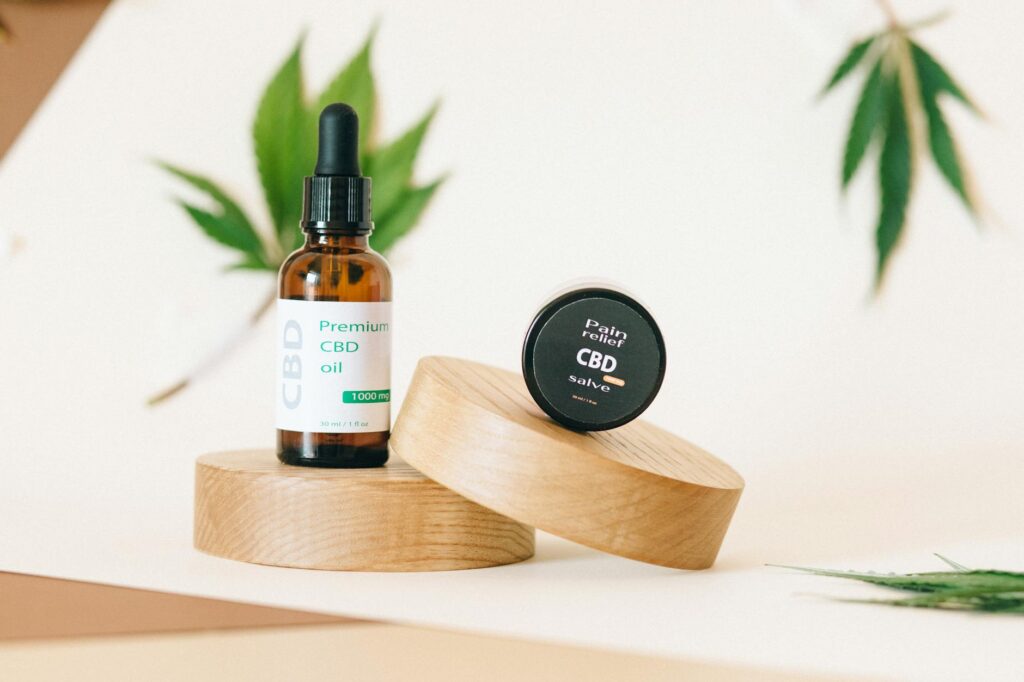
Benefits of Herbal Salves
Introduction
Herbal salves are a traditional remedy used for centuries in various cultures around the world. These topical preparations combine herbal extracts with natural oils and waxes to create a soothing and nourishing formulation. Herbal salves are often celebrated for their potential benefits in skin care, wound healing, and other therapeutic uses. This article aims to explore the nature of herbal salves, their key benefits, common uses, and important considerations for safe and effective application.
What Is Herbal Salves?
An herbal salve is a semi-solid preparation made by infusing oils with herbs and thickening the mixture with beeswax or other natural waxes. The oils can be carrier oils such as olive oil, coconut oil, or jojoba oil, which serve to extract the beneficial compounds from the herbs and provide a moisturizing base. The thickness of the salve allows it to adhere to the skin, providing a protective barrier while delivering the therapeutic properties of the herbs.
The creation of herbal salves can be traced back to ancient herbalists who utilized local plants for their healing properties. Today, many individuals and practitioners continue to make herbal salves at home or purchase them from herbal apothecaries. The versatility and simplicity of herbal salves make them a popular choice for those interested in natural remedies.
Key Benefits and Properties
Herbal salves offer a variety of benefits, thanks to the synergistic effects of the herbs and oils used in their formulation. Here are some key benefits and properties of herbal salves:
1. Skin Nourishment
Many herbs used in salves contain vitamins, minerals, and antioxidants that nourish the skin. Ingredients like calendula, chamomile, and lavender are known for their skin-soothing properties and can help improve skin texture and appearance.
2. Anti-inflammatory Effects
Certain herbs exhibit anti-inflammatory properties that may help reduce redness, swelling, and discomfort associated with various skin conditions. For example, arnica and comfrey are often included in salves for their potential to soothe inflammation.
3. Antiseptic Qualities
Some herbs possess natural antiseptic properties that can help protect minor cuts, scrapes, and abrasions from infection. Tea tree oil and lavender oil are common ingredients known for their antimicrobial effects.
4. Moisturization
The combination of oils and waxes in herbal salves creates a protective barrier on the skin, locking in moisture and preventing dryness. This makes herbal salves particularly useful for conditions like chapped skin or dry patches.
5. Eases Muscle Tension
Many herbal salves are formulated with ingredients such as eucalyptus, peppermint, or ginger, which can provide a warming or cooling sensation. This characteristic may help ease muscle tension and soreness when massaged into the skin.
Common Uses
Herbal salves can be used for a variety of purposes, making them a versatile addition to any natural health toolkit. Here are some common applications:
1. Wound Care
Herbal salves are often used to promote healing for minor cuts, scrapes, and abrasions. Their antiseptic properties may help reduce the risk of infection, while their nourishing ingredients support skin repair.
2. Skin Irritations
For conditions such as eczema, psoriasis, or rashes, herbal salves can provide soothing relief. Ingredients with anti-inflammatory and moisturizing properties can help alleviate discomfort and restore the skin.
3. Chapped Lips and Dry Skin
Herbal salves can be applied to dry, chapped lips or skin areas that require extra moisture. Their emollient nature helps to hydrate and protect the skin, making them ideal for use in harsh weather conditions.
4. Muscle and Joint Pain
Salves containing warming herbs or essential oils can be massaged into sore muscles and joints for relief. The stimulating properties of these ingredients may help improve circulation and ease discomfort.
5. Insect Bites and Stings
Herbal salves can be used to soothe the itching and irritation associated with insect bites and stings. Ingredients such as calendula and chamomile have calming effects that can alleviate discomfort.
Aromatherapy Applications
Incorporating herbal salves into aromatherapy practices can enhance their effectiveness. When used in conjunction with essential oils, herbal salves can provide both topical benefits and aromatic experiences. Here are some ways to integrate aromatherapy with herbal salves:
1. Scented Salves
Essential oils can be added to herbal salves to create scented variations. For example, adding lavender essential oil can enhance the calming effects of a salve, making it beneficial for relaxation and stress relief.
2. Massage Blends
Herbal salves can serve as a base for massage blends, allowing practitioners to combine the topical benefits of the salve with the aromatic properties of essential oils. This can create a holistic experience for the user.
3. Inhalation
While herbal salves are primarily used topically, the aromatic compounds in certain salves can also be inhaled when gently warmed. This can provide additional therapeutic benefits through inhalation, enhancing the overall experience.
Safety Considerations
While herbal salves are generally considered safe for topical use, there are several important safety considerations to keep in mind:
1. Skin Sensitivity
Before using a new herbal salve, it is advisable to conduct a patch test. Apply a small amount of the salve to a discreet area of skin and observe for any adverse reactions, such as redness or irritation.
2. Allergies
Individuals with known allergies to specific herbs or essential oils should avoid using salves that contain those ingredients. Always read ingredient labels carefully.
3. Pregnancy and Nursing
Certain herbs can have contraindications during pregnancy or nursing. Pregnant or nursing individuals should consult with a qualified practitioner before using herbal salves that contain specific herbs.
4. Not for Deep Wounds
Herbal salves are best suited for minor cuts or skin irritations. They should not be used on deep wounds or severe injuries without professional medical advice.
Storage and Shelf Life
Proper storage is essential to maintain the quality and efficacy of herbal salves. Here are some tips for storage:
1. Cool, Dark Place
Store herbal salves in a cool, dark place to protect them from heat and light, which can degrade the ingredients over time.
2. Airtight Containers
Use airtight containers to prevent moisture and air exposure, which can lead to spoilage. Glass jars or tins with secure lids are excellent choices.
3. Shelf Life
The shelf life of herbal salves can vary depending on the ingredients used and storage conditions. Generally, homemade salves can last from 6 months to 1 year, while commercially prepared salves may have a longer shelf life due to preservatives.
Frequently Asked Questions
1. Can herbal salves be used on all skin types?
While many herbal salves are suitable for various skin types, it’s essential to consider individual sensitivities and allergies. Conduct a patch test if unsure.
2. How do I choose the right herbal salve for my needs?
Consider your specific skin condition or concern. Research the ingredients to understand their properties, and consult with a knowledgeable herbalist or practitioner for personalized recommendations.
3. Are there any side effects associated with herbal salves?
Most herbal salves are safe for topical use. However, some individuals may experience allergic reactions or skin irritation. Always perform a patch test and discontinue use if any adverse reactions occur.
4. Can I make my own herbal salve at home?
Yes, many people enjoy making their own herbal salves using simple ingredients. There are numerous recipes available that guide you through the process of infusion and formulation.
5. Are herbal salves safe for children?
While many herbal salves can be used safely on children, it’s crucial to choose products specifically formulated for children or consult with a healthcare professional to ensure safety.
Conclusion
Herbal salves represent a time-honored tradition of harnessing the power of nature for topical care. Their nourishing properties, versatility, and ease of use make them a valuable addition to holistic health practices. By understanding the benefits, common uses, and safety considerations associated with herbal salves, individuals can make informed choices about incorporating these natural remedies into their daily routines. Whether purchased commercially or made at home, herbal salves offer a gentle and effective way to care for the skin and promote well-being.